

Reaching for a coffee mug on a high shelf shouldn’t feel like a gamble. Yet many adults over 50 know that sharp, catching sensation the moment an arm lifts past shoulder height. Shoulder pain when reaching overhead is one of the most common complaints we hear from readers in this age group, and it often shows up gradually before becoming impossible to ignore.
The good news is that this type of pain is rarely mysterious. It usually points to a handful of well-understood issues in the shoulder joint, and most of them respond well to the right combination of rest, movement, and targeted care. This guide walks through what’s likely happening, what the research says, and practical steps you can start today.
What Science Says About Overhead Shoulder Pain
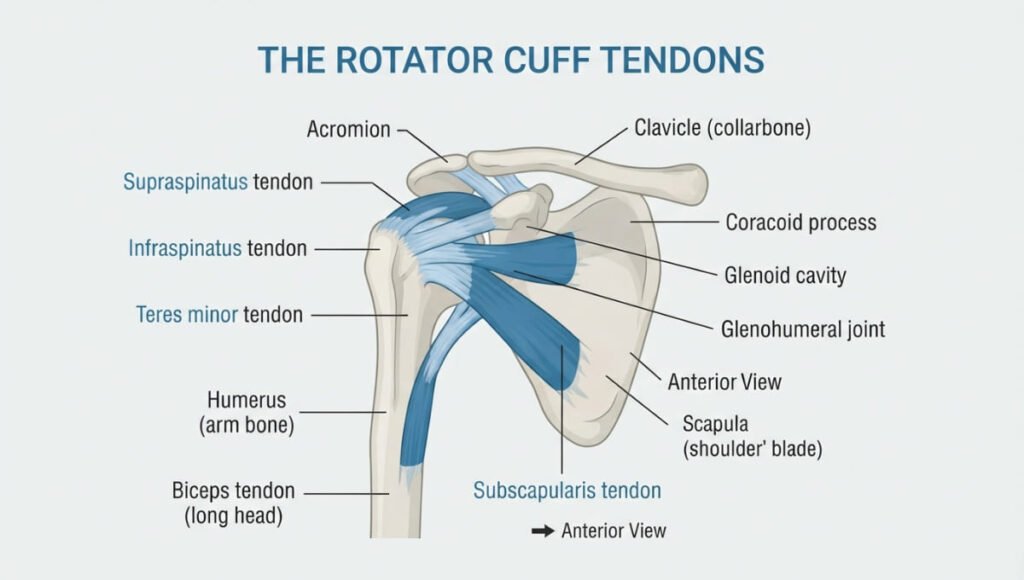
The shoulder is the most mobile joint in the body, which also makes it one of the most vulnerable to wear and tear over time. According to information published by the Mayo Clinic, overhead shoulder pain is frequently linked to rotator cuff problems, including tendinitis, bursitis, or partial tears that develop from years of repetitive motion or gradual tissue breakdown.
Research summarized by Harvard Health points to a related issue called shoulder impingement, where tendons become pinched between bones during overhead movement. This pinching is more common after age 50 because tendons naturally lose some elasticity and the space within the joint can narrow slightly with age-related changes.
Studies published in outlets indexed by JAMA have also examined rotator cuff tear prevalence, finding that partial or full tears become significantly more common with each decade after 50, even in people who never noticed an injury. This doesn’t mean every ache signals a tear. It does mean the tissue is more sensitive to overuse, and catching problems early tends to lead to better outcomes.
Common Causes We See in Adults Over 50
Based on common experiences among adults over 50, a few patterns show up again and again when overhead pain develops.
Rotator cuff tendinitis. This is inflammation of the tendons that stabilize the shoulder. It often starts as a dull ache that worsens specifically when lifting the arm overhead or reaching behind the back.
Shoulder impingement syndrome. Many of our readers report a pinching or catching feeling around the same point in the movement, usually between shoulder height and just above it, sometimes called the “painful arc.”
Frozen shoulder (adhesive capsulitis). This condition causes stiffness that limits overhead motion, not just pain. It tends to develop slowly, sometimes after a minor injury or a period of reduced arm use, and disproportionately affects people between 40 and 60.
Osteoarthritis of the shoulder joint. Less common than in knees or hips, but joint surface wear can still cause aching, stiffness, and reduced overhead range of motion, especially after previous injuries.
Bone spurs. Small bony growths can develop along the shoulder blade over time and physically reduce the space tendons move through, contributing to impingement-type pain.
None of these conditions are unusual, and none of them mean you’re destined for permanent limitation. They’re simply signals that the joint needs some attention.
Carpal Tunnel Syndrome vs. Arthritis: How to Tell the Difference
Practical Fixes That Actually Help
Once a cause is identified, or while you’re waiting for a medical evaluation, several strategies tend to bring real relief.
Modify the motion, don’t eliminate it. Complete rest can lead to stiffness, particularly with frozen shoulder. Instead, keep the arm moving within a pain-free range rather than pushing through sharp pain.
Try gentle range-of-motion exercises. Pendulum swings, wall crawls, and cross-body stretches are commonly recommended starting points. These keep the joint mobile without loading the tendons heavily.
Apply ice for acute flare-ups. Fifteen to twenty minutes of ice after activity can calm inflammation, particularly in the first day or two after a pain spike.
Use heat for stiffness. A warm compress or shower before stretching can loosen tight tissue and make movement more comfortable, especially in the morning.
Adjust your reaching habits. Store frequently used items at chest height, use a step stool instead of straining upward, and avoid sleeping directly on the affected shoulder, which can aggravate inflamed tendons overnight.
Strengthen the surrounding muscles. Weak shoulder blade stabilizers often make rotator cuff issues worse. Simple resistance band exercises, done consistently, can improve joint mechanics over several weeks.
Consider over-the-counter anti-inflammatories. For short-term flare-ups, options like ibuprofen may help reduce swelling and discomfort, though these should be used according to label instructions and discussed with a doctor if you take other medications.
If you’ve tried modifications like these for two to three weeks without improvement, that’s generally a good signal to bring in a professional rather than continuing to self-manage.

What Experts Recommend
Clinical guidelines generally point toward a stepped approach rather than jumping straight to surgery.
Most physical therapists and orthopedic specialists recommend starting with a period of activity modification combined with physical therapy. A trained therapist can identify which specific structures are involved and build a targeted strengthening and stretching plan, which research consistently shows improves outcomes for rotator cuff tendinitis and impingement.
According to guidance reflected by organizations like the NIH, imaging such as an MRI or ultrasound is typically reserved for cases where pain persists beyond four to six weeks of conservative treatment, or when there’s suspicion of a significant tear based on weakness or a specific injury event.
For frozen shoulder, experts generally emphasize consistent, gentle stretching over aggressive treatment, since the condition tends to resolve in stages over many months regardless of intervention, though therapy can meaningfully shorten the recovery timeline and reduce discomfort along the way.
Corticosteroid injections are sometimes used for short-term relief of significant inflammation, and surgery is generally considered only after conservative options have been fully explored and haven’t resolved a confirmed structural issue like a large rotator cuff tear.
The consistent theme across expert recommendations is this: early, gentle intervention beats waiting it out, and a proper diagnosis makes every subsequent step more effective.
Frequently Asked Questions
Why does my shoulder hurt only when I lift my arm overhead?
This pattern is a classic sign of impingement or rotator cuff irritation, since the tendon and bone are closest together in that specific range of motion.
Is shoulder pain after 50 always arthritis?
No. Rotator cuff issues and impingement are actually more common causes of overhead pain in this age group than joint arthritis.
Can shoulder pain from reaching overhead go away on its own?
Mild tendinitis sometimes improves with rest and activity changes, but ongoing pain beyond a few weeks usually benefits from evaluation and guided exercise.
When should I see a doctor for overhead shoulder pain?
See a doctor if pain persists more than two to three weeks, if you notice significant weakness, or if you can’t lift your arm at all after an injury.
Conclusion: Shoulder pain when reaching overhead is a common but manageable part of getting older, not a sign that your active years are behind you.
Whether the cause is tendinitis, impingement, or something else, most cases respond well to a thoughtful mix of gentle movement, smart habit changes, and professional guidance when needed. Paying attention early and adjusting how you move can make a meaningful difference in how quickly, and how fully, your shoulder recovers.
Medical Disclaimer
This article is for informational purposes only and is not a substitute for professional medical advice, diagnosis, or treatment. Always consult a qualified healthcare provider regarding any medical condition or before starting a new exercise or treatment routine. This post may contain affiliate links, and we may earn a commission from qualifying purchases at no extra cost to you.

Lauren is the founder of PainFreeAfter50.com and a dedicated researcher in joint health and healthy aging. After developing chronic joint pain in her early 50s, she spent years reviewing clinical studies and testing natural approaches to find real solutions. Today she shares honest, evidence-based guidance to help adults over 50 manage pain, improve mobility, and reclaim their quality of life.



1 thought on “Shoulder Pain When Reaching Overhead: Causes and Fixes”