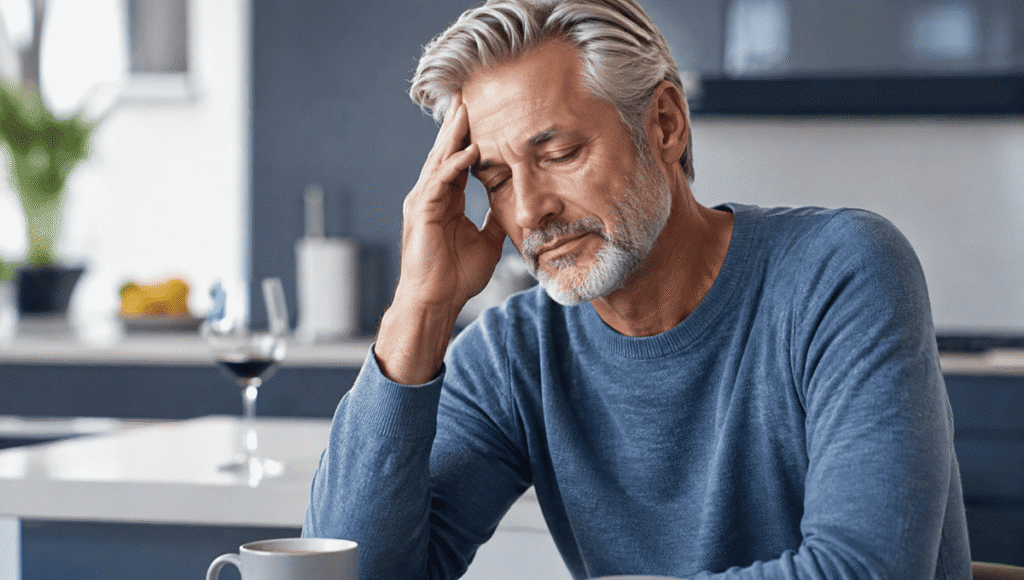
If you’ve noticed headaches sneaking up more often after your 50th birthday, you’re not imagining things. Many of our readers report that a glass of wine, a skipped meal, or even a change in weather can bring on a throbbing head that didn’t happen so easily in their 30s or 40s.
Understanding the foods and habits that trigger headaches after 50 is the first step toward fewer bad days and more time enjoying life. Hormonal shifts, changes in blood vessels, and certain medications common in this age group all play a role. The good news: many of these triggers are within your control, and small adjustments can make a real difference.
What Science Says About Headaches After 50
Headaches change character as we age. According to the American Migraine Foundation, migraine frequency often decreases after menopause for many women, but tension-type headaches and other secondary headache causes become more common in older adults.
This is partly because aging bodies process certain substances differently and are more sensitive to dehydration and blood sugar swings.
Harvard Health has noted that new or worsening headaches after age 50 deserve medical attention, since they can sometimes signal issues such as high blood pressure, vision changes, or medication side effects rather than a simple “trigger” headache.
This doesn’t mean every headache is serious, most aren’t, but it does mean paying closer attention matters more now than it did decades ago.
Research published through the National Institute on Aging also points to a well-known list of everyday culprits: caffeine withdrawal, poor sleep, dehydration, and certain food additives like nitrates and MSG.
Based on common experiences among adults over 50, these triggers tend to have a stronger, faster effect than they did earlier in life, likely because of slower metabolism and changes in blood vessel flexibility.
Common Food Triggers to Watch For
Foods and Habits That Trigger Headaches. Certain foods show up again and again as headache triggers in this age group. Here are the ones worth paying attention to.
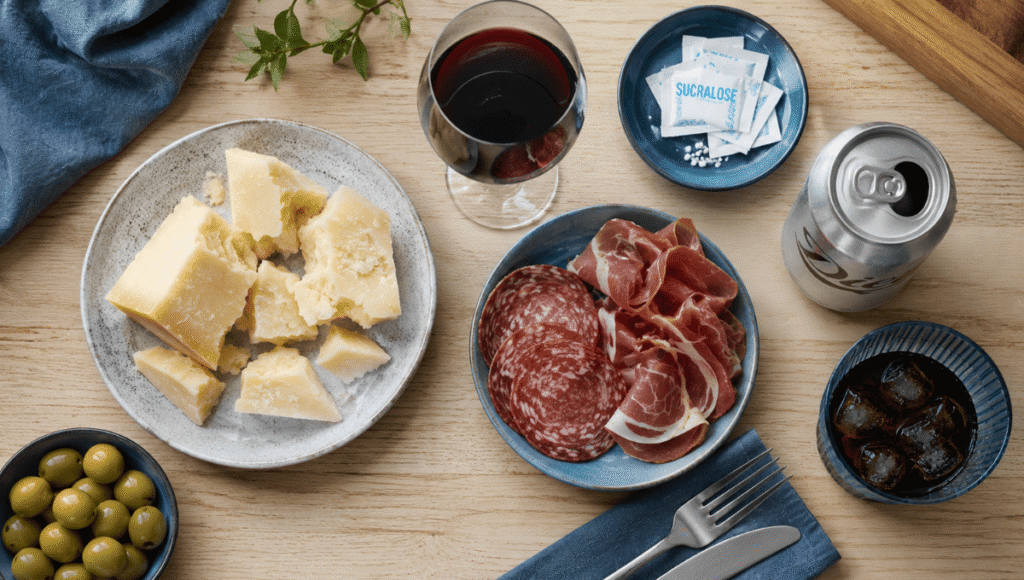
Aged and fermented foods. Aged cheeses, cured meats, and fermented items like soy sauce contain tyramine, a natural compound linked to headache onset in sensitive people.
Alcohol, especially red wine. Red wine and dark liquors contain congeners and histamines that many people find harder to tolerate after 50. Even one glass can be enough for some.
Artificial sweeteners and additives. Aspartame and MSG are frequently mentioned by readers as headache culprits, particularly in processed snacks and diet sodas.
Skipped meals or low blood sugar. Going too long without eating causes blood sugar to dip, which can trigger a headache within an hour or two. This becomes more noticeable with age as the body’s blood sugar regulation slows down.
Caffeine — too much or too little. Both overdoing coffee and quitting it cold turkey can bring on headaches. Consistency matters more than the amount itself.
Best Anti-Inflammatory Diet for Seniors With Joint Pain
Habits and Lifestyle Factors That Make Headaches Worse
Food isn’t the only piece of the puzzle. Daily habits often play just as large a role.
Dehydration. Thirst signals weaken with age, so it’s easy to become mildly dehydrated without noticing. Even mild dehydration is a well-documented headache trigger.
Poor sleep quality. Sleep patterns shift after 50, and both too little and too much sleep can set off a headache. Keeping a consistent bedtime helps regulate this.
Screen time and eye strain. Longer hours in front of screens, combined with age-related vision changes, can lead to tension headaches that build slowly throughout the day.
Stress and muscle tension. Tight shoulders and neck muscles are a leading cause of tension-type headaches, which are the most common headache type in adults over 50.
Weather and barometric pressure changes. Some people become more sensitive to shifts in air pressure as they age, especially those with a history of migraines earlier in life.
A few practical steps that many readers have found helpful:
- Keep a water bottle within reach throughout the day
- Eat small, balanced meals every 3 to 4 hours
- Limit processed and cured foods to occasional treats
- Take short screen breaks every 30 to 45 minutes
- Track headaches in a simple notebook or app to spot personal patterns
What Experts Recommend for Headache Prevention After 50
Foods and Habits That Trigger Headaches. Medical guidelines consistently point to a few core strategies. The Mayo Clinic recommends maintaining a regular sleep schedule, staying well hydrated, and eating meals at consistent times as first-line steps for headache prevention at any age, with extra importance placed on these habits as we get older.
The NIH also advises reviewing medications with a doctor or pharmacist, since some common prescriptions for blood pressure, cholesterol, or hormone therapy can contribute to headaches as a side effect. This is especially relevant after 50, when many people are managing more than one prescription.
For anyone experiencing headaches that are new, more frequent, or different from ones they’ve had before, JAMA-published guidance stresses the importance of a medical evaluation to rule out underlying causes such as blood pressure changes or vision issues. This isn’t meant to cause alarm, it’s simply a reminder that a quick check-in with your doctor can offer peace of mind.
Conclusão: Foods and Habits That Trigger Headaches. Recognizing the foods and habits that trigger headaches after 50 puts you back in control of your daily comfort. Small, consistent changes, staying hydrated, eating on a regular schedule, moderating alcohol and processed foods, and managing stress, often make a noticeable difference within a few weeks.
If your headaches change in pattern, frequency, or intensity, don’t wait to bring it up with your healthcare provider. A little awareness today can mean a lot more headache-free days ahead.
Medical Disclaimer: This article is for informational purposes only and is not intended as medical advice. Always consult your doctor or a qualified healthcare provider before making changes to your diet, lifestyle, or medication routine, especially if you experience new or severe headaches.

Lauren is the founder of PainFreeAfter50.com and a dedicated researcher in joint health and healthy aging. After developing chronic joint pain in her early 50s, she spent years reviewing clinical studies and testing natural approaches to find real solutions. Today she shares honest, evidence-based guidance to help adults over 50 manage pain, improve mobility, and reclaim their quality of life.