

If getting out of bed feels harder because of stiff knees, aching hips, or sore hands, you’re not alone. Joint pain becomes more common as we age, but many people are surprised to learn that everyday food choices can influence inflammation throughout the body. The best anti-inflammatory diet for joint pain isn’t a miracle cure, but it can become an important part of a long-term plan to support healthier joints and improve quality of life.
Based on common experiences among adults over 50, many of our readers report feeling more comfortable after making gradual changes to their eating habits. Combined with regular movement, healthy sleep, and medical care when needed, an anti-inflammatory eating pattern may help you stay active and enjoy everyday activities with greater ease.
What Science Says About the Best Anti-Inflammatory Diet for Joint Pain
Research over the past two decades consistently shows that chronic, low-grade inflammation contributes to many age-related conditions, including osteoarthritis and rheumatoid arthritis. While diet alone cannot eliminate joint disease, it may help reduce inflammatory processes that contribute to pain and stiffness.
The National Institutes of Health (NIH) has published research suggesting that dietary patterns rich in fruits, vegetables, whole grains, legumes, nuts, and healthy fats are associated with lower markers of inflammation.
Similarly, Harvard Health Publishing highlights the Mediterranean diet as one of the most studied eating patterns for reducing inflammation. This diet emphasizes natural, minimally processed foods while limiting refined sugars and processed meats.
The Mayo Clinic also recommends maintaining a healthy body weight because excess weight places additional stress on weight-bearing joints such as the knees and hips. Even modest weight loss may improve mobility and decrease pain.
Several studies published in the Journal of the American Medical Association (JAMA) and other peer-reviewed journals suggest that overall dietary patterns matter more than any single “superfood.”
The key message from current evidence is simple:
Healthy eating works best as a long-term lifestyle, not a short-term diet.
Why an Anti-Inflammatory Diet Can Help Adults Over 50
As we get older, our bodies naturally become more susceptible to inflammation. Years of wear and tear, hormonal changes, reduced muscle mass, and chronic health conditions can all play a role.
Many adults notice:
- Morning stiffness
- Swollen fingers
- Aching knees
- Hip discomfort
- Lower back pain
- Reduced flexibility
Based on common experiences among adults over 50, many people discover that changing how they eat doesn’t eliminate pain overnight. Instead, improvements often happen gradually over several weeks.
The goal isn’t perfection.
It’s consistency.
An anti-inflammatory diet helps support the body’s natural repair systems while providing nutrients needed for cartilage, muscles, bones, and connective tissue.
Some of the most beneficial nutrients include:
- Omega-3 fatty acids
- Fiber
- Vitamin C
- Vitamin D
- Calcium
- Magnesium
- Polyphenols (natural plant compounds)
- Antioxidants
These nutrients work together to support overall joint health.
Read also; you might like the content.
Knee Pain Without Injury: What It Means After 50
How to Relieve Knee Pain at Home for Seniors
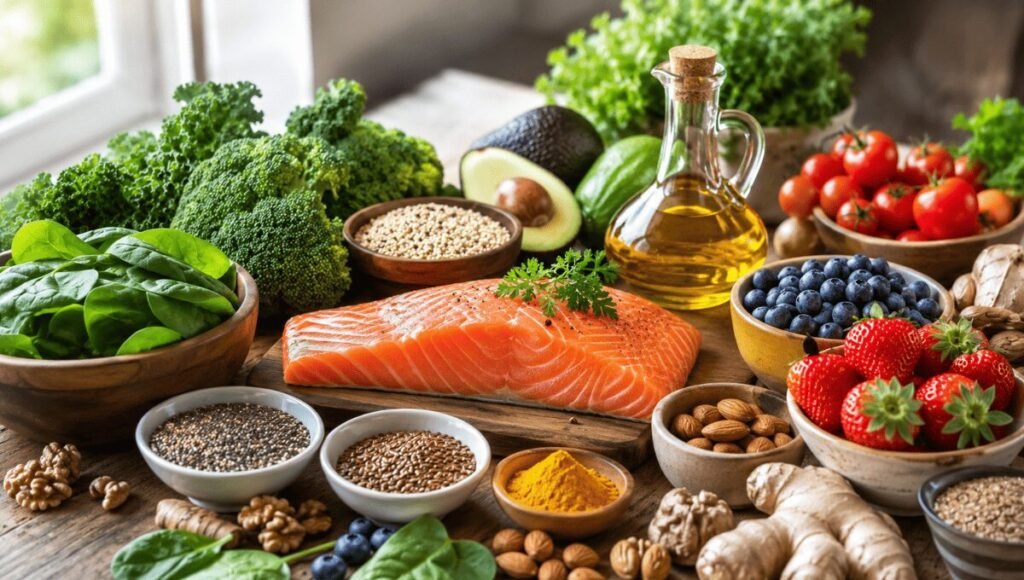
Foods to Eat More Often
When people ask about the best anti-inflammatory diet for joint pain, the answer usually focuses on eating more whole foods rather than eliminating everything you enjoy.
Here are some of the best choices.
Fatty Fish
Salmon, sardines, trout, and mackerel are rich in omega-3 fatty acids, which have been widely studied for their anti-inflammatory effects.
Aim for two servings each week.
Colorful Vegetables
Vegetables provide antioxidants that help protect cells from oxidative stress.
Excellent options include:
- Spinach
- Broccoli
- Kale
- Bell peppers
- Brussels sprouts
- Carrots
The more color on your plate, the better.
Berries
Blueberries, strawberries, raspberries, and blackberries contain compounds called anthocyanins that may help reduce inflammation.
Fresh or frozen berries both offer benefits.
Extra Virgin Olive Oil
Olive oil is one of the cornerstones of the Mediterranean diet. It contains healthy monounsaturated fats and plant compounds linked to reduced inflammation.
Use it instead of butter whenever possible.
Nuts and Seeds
Walnuts, almonds, chia seeds, and flaxseeds provide healthy fats, fiber, and minerals that support overall health. A small handful each day is usually enough.
Whole Grains
Replace refined grains with:
- Oatmeal
- Brown rice
- Quinoa
- Whole wheat
- Barley
These foods provide steady energy and help regulate blood sugar.
Beans and Lentils
Legumes are affordable, filling, and packed with plant protein and fiber. They can easily replace some processed meats during the week.
Foods That May Increase Inflammation
No single food causes joint pain by itself. However, diets high in highly processed foods may contribute to chronic inflammation.
Consider limiting:
- Sugary drinks
- Candy
- White bread
- Processed snacks
- Deep-fried foods
- Processed meats
- Excess alcohol
- Foods high in trans fats
This doesn’t mean you can never enjoy treats. Instead, aim for balance most of the time.
An optimally dosed proprietary blend of strong ingredients, carefully mixed to complement one another in a powerful solution.
Practical Tips to Start Today
Making major dietary changes all at once can feel overwhelming. Instead, try one or two small improvements each week. Here are some realistic ideas.
Build Half Your Plate With Vegetables
This simple habit automatically increases fiber, vitamins, and antioxidants.
Eat Fish Instead of Red Meat Once a Week
Small substitutions become lasting habits.
Snack on Fruit and Nuts
Replace chips or cookies with healthier alternatives.
Cook More Meals at Home
Restaurant meals often contain more sodium, sugar, and unhealthy fats. Cooking at home gives you more control.
Stay Hydrated
Water supports overall health and may help lubricate joints. Many older adults simply don’t drink enough fluids.
Keep Moving
Diet works best alongside regular physical activity. Walking, swimming, stretching, and strength training all support healthier joints.
What Experts Recommend
Healthcare organizations agree that there is no single “arthritis diet.” Instead, experts encourage a balanced eating pattern that supports overall health.
The Mayo Clinic recommends maintaining a healthy weight because every extra pound increases pressure on the knees. Harvard Health encourages following a Mediterranean-style eating plan because of its strong evidence for reducing inflammation.
The NIH emphasizes consuming a variety of nutrient-rich whole foods rather than relying on supplements alone.
If you have diabetes, kidney disease, food allergies, or other chronic medical conditions, talk with your healthcare provider or a registered dietitian before making significant dietary changes.
Based on conversations with many readers over 50, the most successful approach is making sustainable changes that fit your lifestyle instead of chasing restrictive fad diets.
Conclusion: The Best Anti-Inflammatory Diet for Joint Pain Supports Long-Term Joint Health
Choosing the best anti-inflammatory diet for joint pain isn’t about following strict rules or giving up every favorite food. It’s about creating eating habits that nourish your body every day.
Research from trusted organizations such as the NIH, Harvard Health, and the Mayo Clinic supports a diet centered on whole foods, healthy fats, lean proteins, fruits, vegetables, and whole grains. These choices may help lower inflammation, support a healthy weight, and improve overall mobility over time.
Many of our readers report that combining healthier eating with regular movement, quality sleep, and guidance from their healthcare team provides the greatest improvements.
If you’re beginning your journey toward healthier joints, start with one small change today. Consistent habits often lead to meaningful results over time.
Frequently Asked Questions
What is the best anti-inflammatory diet for joint pain?
The Mediterranean diet is widely considered one of the best eating patterns for reducing inflammation. It emphasizes vegetables, fruits, fish, olive oil, legumes, whole grains, and nuts while limiting processed foods and added sugars.
Which foods reduce inflammation naturally?
Foods rich in omega-3 fats, antioxidants, and fiber may help support lower inflammation. These include salmon, berries, leafy greens, walnuts, olive oil, beans, and colorful vegetables.
How long does it take for an anti-inflammatory diet to help joint pain?
Some people notice improvements within several weeks, while others may need two to three months of consistent healthy eating before experiencing meaningful changes. Results vary depending on overall health, activity level, weight, and the underlying cause of joint pain.
Can diet replace arthritis medication?
No. Diet should be viewed as one part of a comprehensive treatment plan. Never stop prescribed medications without discussing changes with your healthcare provider.
Medical Disclaimer
This article is for educational purposes only and should not be considered medical advice. Always consult your physician or another qualified healthcare professional before making changes to your diet, medications, or treatment plan, especially if you have a chronic medical condition. Some links on this website may be affiliate links. If you purchase through those links, we may earn a small commission at no additional cost to you. This helps support our content while maintaining editorial independence.

Lauren is the founder of PainFreeAfter50.com and a dedicated researcher in joint health and healthy aging. After developing chronic joint pain in her early 50s, she spent years reviewing clinical studies and testing natural approaches to find real solutions. Today she shares honest, evidence-based guidance to help adults over 50 manage pain, improve mobility, and reclaim their quality of life.



2 thoughts on “Best Anti-Inflammatory Diet for Seniors With Joint Pain”