
If your finger has been catching, locking, or clicking when you bend it, you’re not imagining things. Trigger finger after 50 is more common than most people realize, and it tends to show up right around the time we’re already juggling other joint aches.
The medical name is stenosing tenosynovitis, but you don’t need to remember that term to understand what’s happening. Many of our readers report the same story: a stiff finger in the morning that seems to “catch” before it suddenly pops straight. The good news is that trigger finger is very treatable, especially when caught early. Let’s walk through why it happens and what actually helps.
What Science Says About Trigger Finger After 50
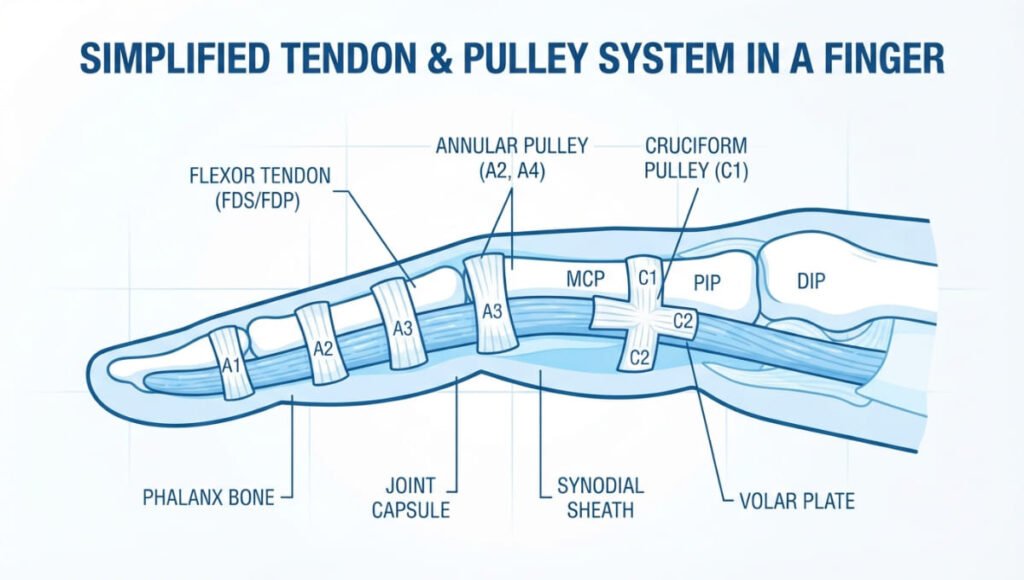
Trigger finger happens when the tendon that helps your finger bend becomes irritated and swollen. This tendon normally glides smoothly through a small tunnel of tissue called a pulley. When swelling develops, the tendon can’t slide as easily, so it gets stuck and then releases with a snap, similar to a trigger being pulled.
According to the Mayo Clinic, trigger finger is more common in women and in people between the ages of 40 and 60, which lines up closely with why so many adults over 50 start noticing symptoms. The condition also appears more frequently in people with diabetes, rheumatoid arthritis, or other conditions that affect connective tissue.
Research published through the National Institutes of Health has also pointed to repetitive gripping motions, such as gardening, knitting, or using hand tools, as a contributing factor. This doesn’t mean these activities are dangerous. It simply means that repeated strain, combined with normal age-related changes in tendon elasticity, can add up over time.
Understanding this science matters because it shifts the focus from “something is wrong with me” to “this is a known, treatable mechanical issue.”

Recognizing the Signs: What Trigger Finger Actually Feels Like
Based on common experiences among adults over 50, trigger finger rarely shows up overnight. It tends to build gradually, and the symptoms often follow a pattern.
Here’s what many people notice first:
- Stiffness in the finger, especially first thing in the morning
- A tender bump at the base of the finger, near the palm
- A clicking or popping sensation when bending or straightening the finger
- The finger locking in a bent position, then suddenly releasing
- In more advanced cases, the finger may get stuck and require gentle help from the other hand to straighten
The thumb, ring finger, and middle finger are the most commonly affected. Some people experience it in more than one finger, or even in both hands.
One thing we hear often is that people assume this is simply arthritis. While arthritis can occur alongside trigger finger, the two are different conditions. Arthritis affects the joint itself, while trigger finger involves the tendon and its surrounding sheath. Knowing this distinction helps you and your doctor choose the right treatment path.
Read also: Frozen Shoulder After 50: What It Is and How Long It Lasts
Simple Treatments That Can Help Trigger Finger After 50
The good news is that trigger finger often responds well to conservative, non-surgical treatment, especially when addressed early. Here are approaches that are commonly recommended and used successfully.
Rest and activity changes
Reducing repetitive gripping activities, at least temporarily, gives the tendon a chance to calm down. This doesn’t mean giving up hobbies for good. It means pacing yourself and taking breaks during repetitive tasks like knitting, typing, or yard work.
Splinting
Wearing a small splint at night keeps the finger in a straight, relaxed position. This prevents the tendon from locking while you sleep and can reduce morning stiffness significantly.
Gentle stretching exercises
Slow, controlled stretching can help maintain flexibility without irritating the tendon further. A physical or occupational therapist can show you specific exercises designed for trigger finger.
Warm soaks
Soaking the hand in warm water in the morning can loosen stiff tendons and make the first movements of the day less uncomfortable.
Over-the-counter anti-inflammatory options
Some people find relief using over-the-counter anti-inflammatory medication for short periods. As always, check with your doctor first, especially if you take other medications or have kidney or stomach concerns.
Corticosteroid injections
For more persistent cases, a doctor may recommend a corticosteroid injection directly into the tendon sheath. This is a common, well-studied treatment and often provides significant relief, sometimes after just one injection.
Surgical release
When conservative treatments aren’t enough, a minor outpatient procedure called trigger finger release can free up the tendon. This is typically considered only after other options have been tried.
What Experts Recommend for Trigger Finger After 50
Medical guidelines generally recommend a step-by-step approach, starting with the least invasive options first. According to information shared by Harvard Health, most cases of trigger finger improve with rest, splinting, and anti-inflammatory treatment before injections or surgery are ever considered.
Experts also recommend seeing a doctor if:
- The finger locks completely and won’t straighten
- Pain is interfering with daily tasks like buttoning clothes or holding utensils
- Symptoms don’t improve after a few weeks of home care
- You have diabetes or rheumatoid arthritis, since these conditions can make trigger finger more persistent
A hand specialist or orthopedic doctor can confirm the diagnosis, often just by examining the hand and asking about your symptoms. In some cases, they may also check for other conditions like carpal tunnel syndrome, since hand symptoms after 50 can sometimes overlap.
The key takeaway from clinical guidance is this: early treatment tends to lead to better, faster results. Waiting until the finger is fully locked usually means a longer recovery process.
Conclusão. Trigger Finger After 50: It can feel alarming the first time your finger locks up, but it’s a well-understood and highly treatable condition. From simple changes like splinting and rest to medical options like injections or minor surgery, there are effective paths to relief at every stage.
If your finger has been catching, clicking, or locking, don’t wait it out in silence. A quick conversation with your doctor can help you get back to using your hands comfortably and confidently.
Medical Disclaimer
This article is for informational purposes only and is not a substitute for professional medical advice, diagnosis, or treatment. Always consult your physician or a qualified healthcare provider with any questions about a medical condition. This post may contain affiliate links, which means we may earn a small commission at no extra cost to you.

Lauren is the founder of PainFreeAfter50.com and a dedicated researcher in joint health and healthy aging. After developing chronic joint pain in her early 50s, she spent years reviewing clinical studies and testing natural approaches to find real solutions. Today she shares honest, evidence-based guidance to help adults over 50 manage pain, improve mobility, and reclaim their quality of life.