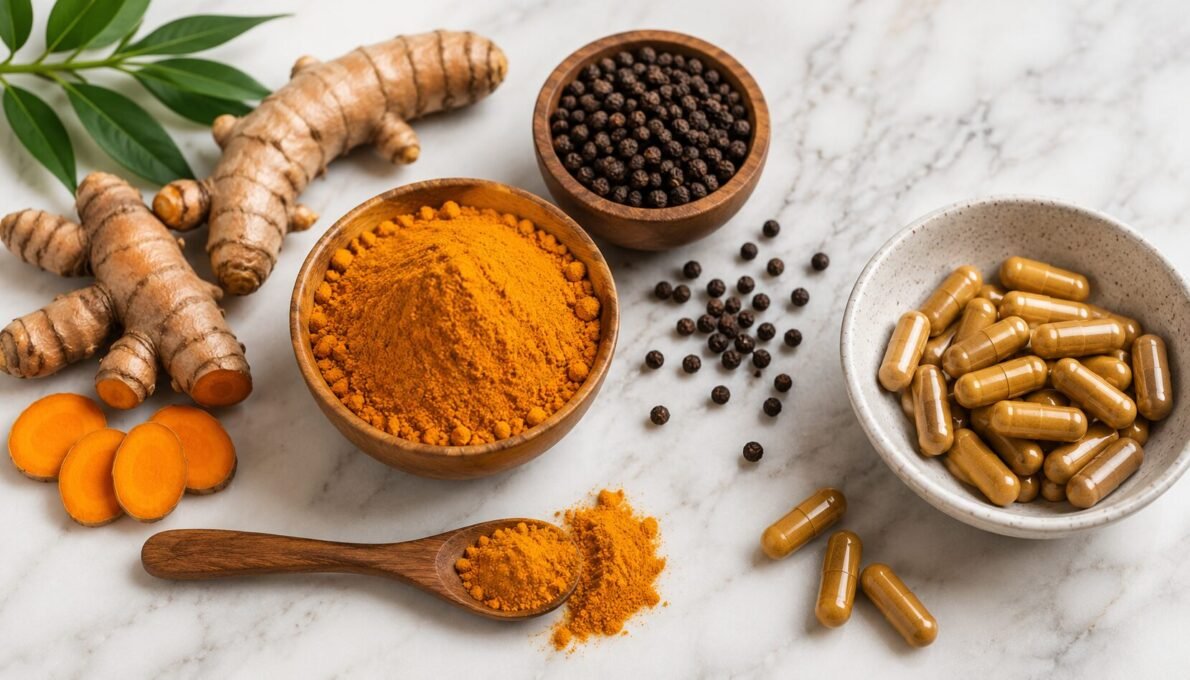
Turmeric for Joint Pain: Does It Really Work? If you’ve spent any time researching natural remedies for joint pain, you’ve almost certainly come across turmeric. It’s in supplements, teas, smoothies, and even golden lattes at your local café. But does it actually work, especially for people over 50 dealing with the kind of deep, persistent joint pain that makes mornings feel like a battle?
Let’s separate the science from the hype and look at what you can realistically expect from turmeric, plus one surprising nighttime habit that may be quietly making your joint pain worse.
Why Joints Hurt More After 50
Before we talk turmeric, it helps to understand what’s happening in your body.
After age 50, cartilage, the cushioning tissue between your joints, naturally begins to thin. Your body also produces less synovial fluid, the natural lubricant that keeps joints moving smoothly. Add to that decades of wear and tear, and it’s no surprise that knees, hips, fingers, and shoulders start making their presence felt in ways they didn’t at 35.
But here’s what many people don’t realize: inflammation is the common thread running through nearly all forms of joint pain. Whether it’s osteoarthritis, rheumatoid arthritis, or general stiffness from overuse, chronic low-grade inflammation is almost always involved. That’s where turmeric enters the picture.
What Is Turmeric, and What Does the Science Say?
Turmeric (Curcuma longa) is a bright yellow spice that has been used in Ayurvedic and traditional Chinese medicine for thousands of years. Its active compound, curcumin, is what researchers believe to be responsible for its anti-inflammatory properties.
Several studies have shown promising results:
A 2016 systematic review published in the Journal of Medicinal Food found that curcumin supplements significantly reduced pain and improved function in patients with osteoarthritis. A 2021 study compared curcumin to ibuprofen in knee osteoarthritis patients and found comparable effectiveness for pain relief, with fewer gastrointestinal side effects.
Curcumin appears to work by blocking certain enzymes and cytokines involved in the body’s inflammatory response, similar to how NSAIDs (like ibuprofen) work, but through a different pathway and with a gentler effect on the stomach lining.
The Absorption Problem
Here’s the catch: curcumin is notoriously poorly absorbed by the body on its own. Studies show that most of it passes through your digestive system without ever entering the bloodstream in meaningful amounts.
The solution? Piperine, a compound found in black pepper, has been shown to increase curcumin absorption by up to 2,000%. That’s why high-quality turmeric supplements almost always contain black pepper extract (BioPerine). Fat also aids absorption, so taking turmeric with a meal that contains healthy fats (like avocado or olive oil) makes a real difference.

How to Use Turmeric for Joint Pain
If you want to give turmeric a fair chance, a few practical guidelines make the difference between results and disappointment.
Choose a standardized supplement. Look for products that specify the percentage of curcumin (usually 95%) and include piperine or BioPerine. Cooking with turmeric powder adds flavor and has its benefits, but the curcumin levels in spice form are too low for therapeutic effect.
Be consistent and patient. Turmeric is not a painkiller you take in the moment. Most studies showing benefits used supplementation for 8 to 12 weeks. Think of it as supporting your body’s baseline inflammation levels over time, not as immediate relief.
Check for interactions. Turmeric can have a mild blood-thinning effect, so if you’re on anticoagulants like warfarin, talk to your doctor before supplementing.
Typical doses used in research range from 500 mg to 1,500 mg of curcumin per day, often split across two or three doses.
Turmeric Alone Won’t Fix Everything, and Here’s Why
Even the most enthusiastic turmeric advocates would agree: supplements work best as part of a broader approach to joint health. That includes movement, anti-inflammatory eating, stress management, and something often overlooked: what happens to your joints while you sleep.
Think about this: you spend roughly a third of your life in bed. If your body is out of alignment for 7 or 8 hours every night, no supplement is going to fully undo that stress on your neck, shoulders, and spine.
The Hidden Cause of Morning Joint Pain
Worn-out or flat pillows force your spine out of its natural alignment throughout the night. When your head sinks and shifts, muscle tension builds from the neck down to the lower back, and you wake up already in pain before your day has even started. This is especially common after 50, when the body’s natural resilience and muscle recovery are slower.
That’s why many people in the 50+ community have been adding an ergonomic pillow to their joint health routine and noticing a real difference in how they feel in the morning.
One option worth considering is the Derila Ergo Pillow. It features a butterfly-shaped ergonomic design with dedicated support zones for the back, front, neck, and shoulders engineered to help keep your spine in natural alignment while you sleep, regardless of whether you’re a back sleeper, side sleeper, or somewhere in between. It’s made with memory foam that adapts to your body’s shape and includes cooling technology, which can be a bonus for those who tend to sleep warm.
The idea is simple but important: if inflammation and pain are already working against you during the day, at least give your body the best possible conditions to recover at night.

A Simple Joint-Friendly Daily Routine After 50
Combining turmeric with smart lifestyle habits creates a compounding effect. Here’s a basic framework:
Morning: Take your curcumin supplement with breakfast (include healthy fats). Do 5–10 minutes of gentle joint mobility exercises and circles with your wrists, ankles, and hips to get synovial fluid moving.
During the day: Stay hydrated. Cartilage is largely water; dehydration directly affects joint cushioning. Aim for at least 8 glasses of water daily.
Evening: Avoid inflammatory foods at dinner (processed oils, excess sugar, refined carbs). A warm shower or Epsom salt bath can help relax muscles before bed.
At night: Make sure your sleep setup is supporting, not sabotaging, your recovery. An ergonomic pillow that keeps your neck and spine aligned can reduce the morning stiffness that so many people over 50 accept as inevitable.
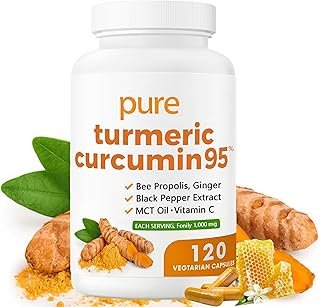
Turmeric Curcumin 95 1000mg – 95% Turmeric Complex Supplement with Bee Propolis, Ginger, MCT Oil, Fat Soluble Vitamin C, & Black Pepper, Non-GMO, Gluten Free, 120 Capsules
Who Should Try Turmeric?
Turmeric supplementation is a reasonable option to discuss with your doctor if you:
- Have mild to moderate joint pain related to osteoarthritis or general inflammation
- Want to reduce your reliance on over-the-counter NSAIDs
- Prefer a natural, food-based approach to managing chronic inflammation
- Are not on blood thinners or other medications that may interact
It’s probably not the right primary treatment if your pain is severe, if you have rheumatoid arthritis requiring disease-modifying medication, or if you’ve been experiencing sudden or worsening joint pain, in which case a medical evaluation comes first.
The Bottom Line
Does turmeric work for joint pain after 50? The honest answer is it can, but it’s not magic, and it works best as part of a full picture.
The research on curcumin is genuinely encouraging, particularly for osteoarthritis and inflammation-related pain. When taken consistently in the right form and dosage, many people over 50 do report less stiffness, reduced pain levels, and better day-to-day mobility.
But turmeric is a support player, not a solo act. Pair it with movement, an anti-inflammatory diet, and smart recovery habits, including how and what you sleep on, and you give yourself a much stronger foundation for pain-free living after 50.
Frequently Asked Questions
How long does turmeric take to work for joint pain?
Most people who see results notice them after 6 to 12 weeks of consistent daily supplementation. It’s not an immediate pain reliever; it works by gradually reducing systemic inflammation over time.
Can I just use turmeric powder from my kitchen?
You can, and it has general health benefits, but the curcumin concentration in culinary turmeric is too low (about 2–5%) to produce the therapeutic doses used in research. For joint pain, a standardized supplement is more effective.
Is turmeric safe to take every day?
For most people, yes. Studies have generally found it well-tolerated at doses up to 1,500 mg/day. Common side effects are mild and digestive in nature. Always check with your doctor if you take other medications.
Does a pillow really make a difference for joint pain?

Yes, especially for neck, shoulder, and upper back pain. Poor spinal alignment during sleep creates sustained muscle tension that can make existing joint pain worse and slow recovery. An ergonomic pillow like the Derila Ergo is designed to address exactly this issue.
What foods make joint pain worse?
Highly processed foods, refined sugars, trans fats, and excessive alcohol are all associated with increased inflammation. A Mediterranean-style diet is one of the most studied for reducing inflammatory markers.
Disclaimer: This article is for informational purposes only and is not intended as medical advice. Always consult your healthcare provider before starting any new supplement.

Lauren is the founder of PainFreeAfter50.com and a dedicated researcher in joint health and healthy aging. After developing chronic joint pain in her early 50s, she spent years reviewing clinical studies and testing natural approaches to find real solutions. Today she shares honest, evidence-based guidance to help adults over 50 manage pain, improve mobility, and reclaim their quality of life.