

Morning Joint Stiffness in Seniors: If getting out of bed feels like a battle against your own body, you are not alone, and you are not powerless. Here is what science says about why joints stiffen overnight and what actually helps.
The alarm goes off. You swing your legs over the side of the bed and, there it is. That familiar ache in your knees, hips, or fingers. The joints feel thick, reluctant, almost locked in place. For the first twenty minutes of your morning, your body seems to belong to someone much older and more reluctant.
Morning joint stiffness is one of the most common complaints among adults over 50, affecting millions of Americans every year. Yet despite how widespread it is, many people silently accept it as an unavoidable part of aging. Others worry it signals something serious but do not know where to start.
This guide cuts through the confusion. We will cover exactly why joints stiffen overnight, what conditions are most commonly responsible, and, crucially, what you can do to feel better in the morning and protect your joints long-term.
58MAmericans living with diagnosed arthritis, 80%of adults over 65 show X-ray evidence of osteoarthritis, 30 minthreshold that helps distinguish OA from RA stiffness, 2–3×higher arthritis risk with obesity vs healthy weight
What Actually Causes Morning Joint Stiffness?
To understand why joints stiffen at night, it helps to think of synovial fluid, the lubricating liquid that cushions your joints, like engine oil. When an engine sits idle overnight, the oil settles and needs time to warm up before it flows properly. Your joints work similarly.
During sleep, your body is still. Blood flow to the joints slows, synovial fluid thickens, and inflammatory byproducts that accumulated during the day are not efficiently cleared. The result, when you wake up, is joints that feel stiff, swollen, and reluctant to move.
But there is more to the story. Specific conditions either worsen this process or create a different kind of morning stiffness altogether. Understanding which applies to you is the first step toward meaningful relief.
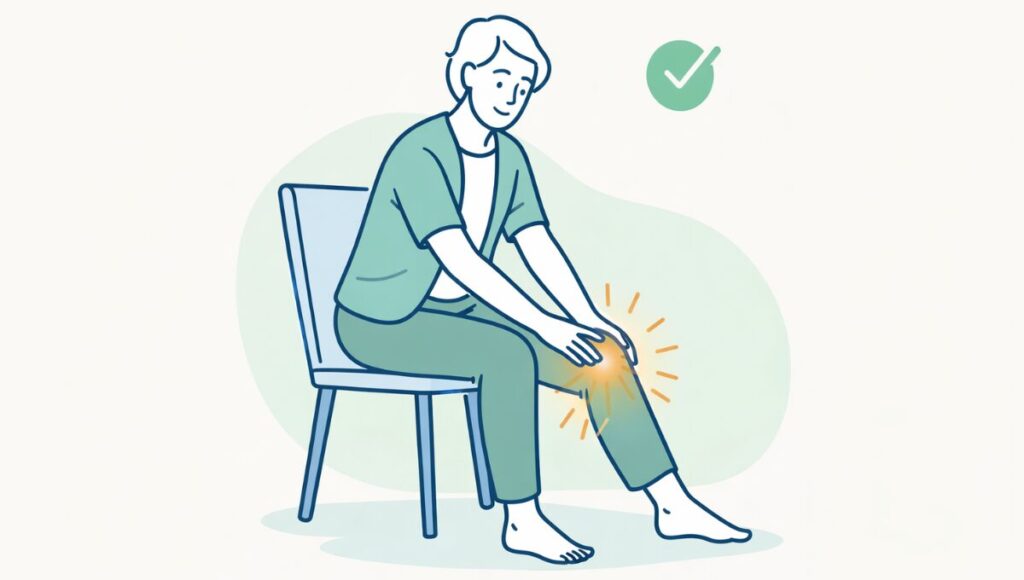
Osteoarthritis (OA): The Most Common Culprit
Osteoarthritis is the classic “wear-and-tear” arthritis that develops when the cartilage cushioning the ends of your bones gradually breaks down. It is the leading cause of disability among American adults and affects the knees, hips, spine, and hands most commonly.
OA-related morning stiffness is typically brief, usually lasting less than 30 minutes. Once you start moving, the synovial fluid warms and redistributes, and comfort improves. Many people with OA notice their worst stiffness not just after sleeping, but also after prolonged sitting (a phenomenon doctors call the “gelling effect”).
In osteoarthritis, cartilage loss is gradual and cumulative. By the time most people notice morning stiffness, meaningful joint changes are already underway, which is why early lifestyle intervention matters so much.
Rheumatoid Arthritis (RA): An Immune System Problem
Rheumatoid arthritis is fundamentally different from OA. It is an autoimmune disease: the immune system mistakenly attacks the lining of the joints (the synovium), causing chronic inflammation. This inflammation is often most severe after long periods of inactivity, making morning one of the worst times of day for RA patients.
The key diagnostic clue is duration. RA morning stiffness typically lasts more than one hour, often two or three hours or more. It affects joints symmetrically (both wrists, both knuckles) and is often accompanied by fatigue, mild fever, and systemic unwellness. RA can occur at any age but frequently appears in adults between 30 and 60, with women affected roughly three times more often than men.
Untreated, RA can cause joint deformity. Modern disease-modifying drugs (DMARDs and biologics) have transformed outcomes dramatically, but early diagnosis is essential. If your morning stiffness lasts over an hour and is accompanied by the symptoms above, see a rheumatologist promptly.
Read also: Knee Pain When Climbing Stairs Over 50: Causes and Easy Relief That Works
Fibromyalgia: When the Pain Is Widespread
Fibromyalgia is a chronic pain condition characterized by widespread musculoskeletal pain, fatigue, sleep disturbances, and cognitive difficulties (“fibro fog”). Morning stiffness is a hallmark symptom, often accompanied by feeling unrefreshed after sleep. Unlike OA or RA, fibromyalgia does not cause actual joint damage — the stiffness is driven by altered pain processing in the central nervous system.
Psoriatic Arthritis and Other Inflammatory Arthritides
Psoriatic arthritis (PsA) affects people with psoriasis and causes joint inflammation with a pattern similar to RA. Ankylosing spondylitis (AS) primarily targets the spine and sacroiliac joints, causing profound morning back stiffness that paradoxically improves with movement. Lupus (SLE) can also cause joint inflammation and significant morning stiffness.
Each of these conditions has distinct patterns and treatments. If your stiffness is severe, prolonged, or associated with skin changes, eye inflammation, or back pain that began before age 40, evaluation by a rheumatologist is warranted.
Morning Joint Stiffness in Seniors: Bursitis and Tendinitis
Inflammation of the bursae (small fluid-filled sacs that cushion joints) or tendons can cause localized morning stiffness that mimics arthritis. These conditions are typically triggered by overuse, repetitive movements, or sudden increases in activity level. They are common in the shoulder, hip, elbow, and knee, and generally respond well to rest, ice, physical therapy, and anti-inflammatory treatment.
Inactivity and Deconditioning
Not all morning stiffness points to disease. In older adults, even without a specific diagnosis, extended inactivity weakens the muscles that support joints, decreases synovial fluid circulation, and reduces the range of motion, all of which worsen morning stiffness. This type is often significantly improved by consistent, appropriate movement.
Key Diagnostic Signals — Tell Your Doctor
- Stiffness lasting more than 1 hour in the morning (possible RA or AS)
- Stiffness in both sides of the body symmetrically (possible RA)
- Back stiffness worse in the morning, improving with exercise (possible AS)
- Stiffness plus skin plaques or nail pitting (possible PsA)
- Widespread pain, fatigue, and poor sleep (possible fibromyalgia)
- New or suddenly worsening stiffness at any age
Why Aging Makes It Worse
Multiple age-related changes conspire to worsen joint stiffness after 50. Cartilage loses water content and resilience over decades, making it less able to absorb shock. The synovial membrane produces less lubricating fluid. Muscles lose mass and strength (sarcopenia), reducing support for the joints. Tendons and ligaments become less elastic and more prone to injury. Low-grade systemic inflammation — sometimes called “inflammaging”, increases as we age and is increasingly recognized as a driver of many age-related diseases, including arthritis.
Hormonal changes matter too. The decline in estrogen after menopause is associated with accelerated cartilage loss, which helps explain why women experience osteoarthritis at higher rates and with greater severity than men, particularly in the hands and knees.
Finally, years of cumulative mechanical stress, from jobs involving repetitive motions, high-impact sports, or being overweight, take a toll that manifests increasingly after 50.
Read also: How to Relieve Knee Pain at Home for Seniors

Evidence-Based Fixes: What Actually Helps
The good news is substantial. Decades of research have identified interventions that meaningfully reduce morning joint stiffness, slow disease progression, and improve quality of life, often without significant side effects. Here is what works.
1. Move Before You Get Out of Bed
Warming up joints before standing reduces the shock of first movement on stiff tissue. A brief in-bed routine of 5–10 minutes can significantly improve mobility. Try gentle ankle circles, knee bends, hip rotations, and finger flexion exercises while still lying down. This encourages synovial fluid to redistribute and muscles to activate before bearing weight.
2. Consistent Low-Impact Exercise
Exercise is among the most evidence-supported treatments for all forms of inflammatory and degenerative joint disease. A 2019 Cochrane Review of exercise interventions in osteoarthritis confirmed significant improvements in pain and physical function. Recommended forms for seniors include swimming and water aerobics (eliminates joint-loading), walking (low impact, maintains range of motion), cycling, tai chi, and yoga.
The key principle: regular, moderate movement reduces stiffness far more than rest. “Motion is lotion” is not just a slogan, it accurately reflects the biology of synovial joint health.
The Arthritis Foundation’s Weekly Exercise Target for Adults 50+
150 minutes of moderate aerobic activity per week (e.g., brisk walking) plus 2–3 days of muscle-strengthening exercises. Even half this amount produces meaningful benefit compared to inactivity.
3. Heat and Cold Therapy
Heat applied to stiff joints in the morning, a warm shower, heating pad, or warm paraffin bath for hands, increases local blood flow and reduces tissue viscosity, helping joints loosen faster. Cold therapy (ice packs) is more useful after activity to reduce acute inflammation and swelling. Many people benefit from alternating both throughout the day.
4. Weight Management
Every pound of excess body weight adds roughly four pounds of force on the knee joint during walking. A landmark study published in Arthritis & Rheumatism found that overweight adults who lost 5% of body weight experienced a 20% reduction in knee pain. Even modest weight loss reduces both mechanical load and systemic inflammatory markers.
5. Anti-Inflammatory Nutrition
Diet has a measurable impact on systemic inflammation. The Mediterranean dietary pattern, rich in olive oil, fish, vegetables, legumes, nuts, and whole grains, has the strongest evidence base for reducing inflammatory markers and joint pain. Key components include omega-3 fatty acids (fatty fish, flaxseed, walnuts), which have demonstrated anti-inflammatory effects in multiple randomized trials, and polyphenol-rich foods (berries, dark leafy greens, turmeric) that modulate inflammatory pathways.
Foods to limit include ultra-processed products, refined sugars, and excessive saturated fat, all of which amplify inflammatory signaling.
6. Sleep Optimization
Poor sleep and joint pain form a vicious cycle, pain disrupts sleep, and sleep deprivation lowers pain thresholds and worsens inflammation. Prioritizing sleep hygiene is therefore a legitimate joint health strategy. This includes maintaining a consistent sleep-wake schedule, keeping the bedroom cool and dark, avoiding screens before bed, and addressing sleep disorders like sleep apnea, which is highly prevalent in older adults and known to worsen inflammatory conditions.
The sleep position also matters. For knee OA, sleeping with a pillow between the knees (side sleepers) or under the knees (back sleepers) can reduce morning pain. For hip pain, a firmer mattress and side-lying with hip support often helps.
7. Medications and Supplements
For OA-related stiffness, over-the-counter NSAIDs (ibuprofen, naproxen) and topical diclofenac gel are effective short-term and carry fewer systemic risks than oral options when applied topically. Acetaminophen can help with pain but has less effect on inflammation. Speak with your doctor before using NSAIDs regularly, particularly if you have cardiovascular, kidney, or GI concerns.
Glucosamine and chondroitin have mixed evidence, some large trials show modest benefit in certain subgroups (particularly those with moderate-to-severe knee OA), while others show no significant effect over placebo. They are generally safe and may be worth a trial of 3–6 months if other measures are insufficient.
For RA and other inflammatory arthritides, disease-modifying drugs prescribed by a rheumatologist are the standard of care. Effective treatment of the underlying disease is far more impactful than symptomatic remedies alone.
8. Physical and Occupational Therapy
A licensed physical therapist can design an individualized exercise program that targets your specific joints, identifies movement compensations, and teaches joint protection strategies. Occupational therapists help adapt daily activities and recommend assistive devices that reduce joint strain. Both are often covered by Medicare and are among the most cost-effective interventions for chronic joint conditions.
Morning Routine — Practical Starting Point
- Before rising: 5–10 min gentle in-bed range-of-motion exercises
- Warm shower to loosen stiff joints before dressing
- Anti-inflammatory breakfast (e.g., oatmeal with berries, walnuts, and ground flaxseed)
- 15–20 min gentle walk or mobility work after breakfast
- Apply topical anti-inflammatory if needed to specific joints
- Take any prescribed medications as directed by your physician
When to See a Doctor
While mild morning stiffness that resolves within 30 minutes and responds to movement is often manageable with lifestyle measures, certain signs warrant medical evaluation without delay. These include stiffness lasting more than one hour consistently, stiffness that is worsening rather than stable, joint swelling, redness, or warmth, stiffness accompanied by fatigue, fever, or unexplained weight loss, loss of joint function or range of motion, and new stiffness following an injury.
Your primary care physician is the right first contact. Depending on findings, you may be referred to a rheumatologist (for inflammatory conditions), an orthopedic specialist (for structural issues), or a physiatrist (for rehabilitation-focused management).
Early diagnosis and treatment of conditions like RA can prevent irreversible joint damage. Do not wait years to seek evaluation for persistent, progressive symptoms.

The Bigger Picture: Long-Term Joint Protection
Managing morning stiffness is one facet of a broader strategy for preserving joint health through the decades after 50. The habits that reduce stiffness today, movement, healthy weight, anti-inflammatory diet, good sleep, stress management, are the same habits that slow cartilage loss, reduce systemic inflammation, and preserve independence long-term.
Emerging research is also illuminating the role of the gut microbiome in joint inflammation: dysbiosis (an imbalance of gut bacteria) is increasingly linked to both OA and RA severity, suggesting that probiotic-rich foods and dietary fiber may have underappreciated joint benefits.
Psychological factors are equally relevant. Chronic pain is a biopsychosocial experience, anxiety, depression, and catastrophizing measurably amplify pain perception. Cognitive-behavioral therapy (CBT) for chronic pain, mindfulness-based stress reduction (MBSR), and social engagement have all shown effectiveness in improving pain outcomes in older adults.
The research is increasingly clear: the people who manage joint stiffness best are not those who rest the most they are those who move the most, eat the most thoughtfully, and engage the most with their care.
Medical Disclaimer: This article is intended for general informational and educational purposes only. It does not constitute medical advice and is not a substitute for professional medical consultation, diagnosis, or treatment. Always consult a qualified physician, rheumatologist, or physical therapist before beginning any new exercise program, changing medications, or making health decisions. If you experience sudden, severe, or worsening joint pain, seek immediate medical attention. Arthritis Osteoarthritis Rheumatoid Arthritis Mobility Active Aging
Frequently Asked Questions (FAQ)
Is morning joint stiffness a normal part of aging?
Some degree of morning stiffness can accompany aging due to changes in cartilage, synovial fluid, and muscle mass. However, significant or prolonged stiffness (lasting over 30 minutes) is not something to simply accept, it often reflects a treatable condition. Always discuss persistent symptoms with your doctor.
How do I know if my stiffness is osteoarthritis or rheumatoid arthritis?
Duration is the most useful distinguishing clue. OA stiffness typically resolves within 30 minutes of movement. RA stiffness usually lasts more than one hour and is accompanied by systemic symptoms like fatigue. Symmetrical joint involvement and specific blood markers (RF, anti-CCP) help confirm RA. Only a physician can make a definitive diagnosis.
What is the single most effective thing I can do for morning joint stiffness?
The evidence most consistently supports regular, low-impact exercise as the most impactful lifestyle intervention. It improves synovial fluid distribution, strengthens supporting muscles, reduces inflammation, and improves pain thresholds. Even 20–30 minutes of daily walking produces measurable benefits.
Can diet really reduce joint stiffness?
Yes, meaningfully so. A Mediterranean-style diet rich in omega-3 fatty acids, polyphenols, and fiber has been shown in multiple studies to reduce inflammatory markers associated with joint pain. While diet alone does not cure arthritis, it is a powerful complement to other treatments and has numerous other health benefits.
Are supplements like glucosamine worth trying?
Evidence is mixed. Some people with moderate-to-severe knee osteoarthritis report meaningful benefit; large clinical trials show inconsistent results. Glucosamine and chondroitin are generally safe and may be worth a 3–6 month trial, but they should not replace proven interventions like exercise and weight management.
Can losing weight really help my joints?
Substantially. Even a 5–10% reduction in body weight measurably reduces knee and hip joint loading and systemic inflammation. Research shows proportionally greater pain reduction than would be expected from weight loss alone, likely because adipose tissue actively secretes pro-inflammatory compounds.
Should I use heat or cold for morning stiffness?
Heat is generally more helpful for morning stiffness — it increases blood flow and reduces tissue viscosity. A warm shower, heating pad, or warm towel applied before movement can shorten the stiff period noticeably. Cold therapy is better used after activity to reduce acute swelling and inflammation.
When should morning stiffness prompt an urgent doctor visit?
Seek prompt evaluation if stiffness is accompanied by significant joint swelling, redness, warmth, or fever; if it appeared suddenly and severely; if it is worsening rapidly; or if it limits your ability to perform daily activities. New stiffness after age 50 that persists beyond two weeks should be evaluated even without urgent symptoms.
Sources and Further Reading
Centers for Disease Control and Prevention — Arthritis: cdc.gov/arthritis Fundação da Artrite — Exercício e Artrite: arthritis.org National Institute of Arthritis and Musculoskeletal and Skin Diseases (NIAMS): niams.nih.gov American College of Rheumatology — Osteoarthritis guidelines: rheumatology.org Cochrane Review: Exercise for osteoarthritis of the knee (2015, updated 2019) Arthritis & Rheumatism — Weight loss and knee pain reduction trial. Mediterranean diet and inflammatory markers: BMJ, NEJM, and Annals of Rheumatic Diseases peer-reviewed literature

Lauren is the founder of PainFreeAfter50.com and a dedicated researcher in joint health and healthy aging. After developing chronic joint pain in her early 50s, she spent years reviewing clinical studies and testing natural approaches to find real solutions. Today she shares honest, evidence-based guidance to help adults over 50 manage pain, improve mobility, and reclaim their quality of life.



1 thought on “Morning Joint Stiffness in Seniors: Causes and Fixes”