Why Exercise Is Non-Negotiable After 50 — Even With Joint Pain
Low-Impact Workouts for Seniors With Joint Pain: Here’s the paradox that frustrates so many people over 50: your joints hurt, so you rest. But the less you move, the stiffer and weaker your joints become, and the more they hurt.
It feels like a trap. But it isn’t.
Decades of research in orthopedics and sports medicine have established something that surprises many patients: controlled, low-impact movement is one of the most effective treatments for joint pain, not a risk to be avoided. The key word is low-impact, meaning exercises that keep stress off vulnerable cartilage and inflamed tissue while still building the muscle strength, flexibility, and circulation your joints desperately need.
This guide was written specifically for adults over 50 who are dealing with joint pain, whether from osteoarthritis, past injuries, bursitis, or general wear and tear, and who want a practical, trustworthy roadmap for staying active without making things worse.
You’ll find beginner-friendly routines, expert-backed tips, and honest guidance on what to expect. No hype. No one-size-fits-all promises. Just information you can actually use.

What Makes a Workout “Low-Impact”?
Before diving into specific exercises, it helps to understand what low-impact actually means, because the term gets misused constantly.
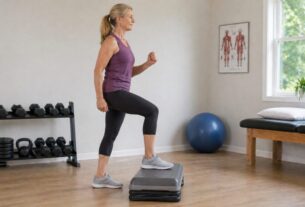
Low-impact does not mean low-intensity. You can get a challenging, effective workout while keeping impact forces minimal.
A workout is considered low-impact when at least one foot (or your body) remains in contact with a surface or supported by water at all times. This eliminates the jarring forces that come from running, jumping, or explosive movements, forces that can be 3 to 5 times your body weight landing on your knees and hips with every stride.
Low-impact exercise minimizes those forces while still:
- Elevating your heart rate for cardiovascular benefit
- Loading muscles to build strength
- Moving joints through their range of motion to maintain flexibility
- Stimulating bone density (important for osteoporosis prevention)
For someone with joint pain, this distinction is everything.
The 7 Best Low-Impact Workouts for Seniors With Joint Pain
1. Walking — The Most Underrated Medicine
Walking remains one of the most studied and consistently recommended forms of exercise for older adults with joint pain. A landmark study published in Arthritis & Rheumatology found that adults over 49 who walked for exercise were significantly less likely to develop functional disability from arthritis pain.
Why it works: Walking at a moderate pace loads the joints gently and rhythmically, which helps pump synovial fluid, the joint’s natural lubricant, through the cartilage. It also builds the quadriceps and gluteal muscles that support and protect the knees and hips.
Getting started safely:
- Start with flat surfaces; avoid hills until you’ve built a base
- Aim for 10–15 minutes daily and build gradually toward 30 minutes
- Wear supportive shoes with cushioning (replace them every 300–500 miles)
- Use trekking poles if balance is a concern, they reduce knee load by up to 25%
- Walk on grass or packed trails when possible; concrete is harder on joints than asphalt
Signs you’re overdoing it: Sharp pain during the walk, or pain that persists more than an hour after you’ve stopped. Mild muscle fatigue is normal; joint pain that worsens is not.
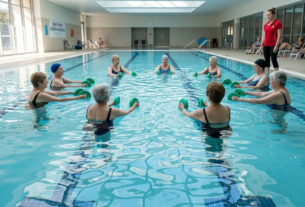
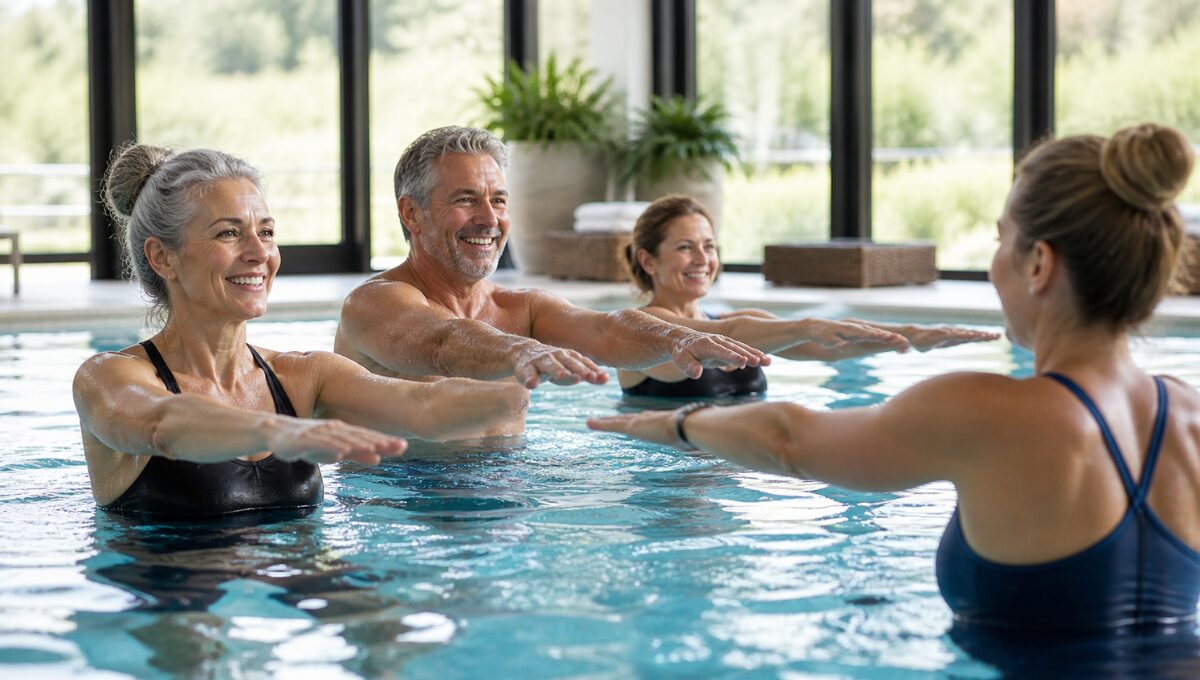
2. Swimming and Water Aerobics — The Gold Standard for Joint Pain
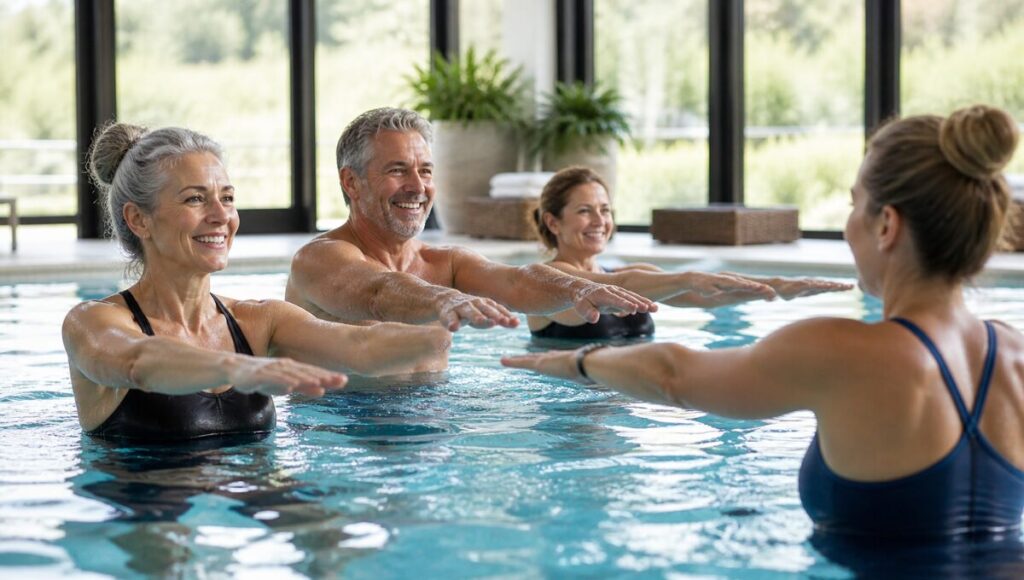
If there is one exercise modality that physical therapists, rheumatologists, and orthopedic surgeons agree on for seniors with significant joint pain, it’s aquatic exercise.
Water supports approximately 90% of your body weight when you’re submerged to neck level. That means your joints experience a fraction of the load they would on land, while you still move against resistance (water is 800 times denser than air), building strength and cardiovascular fitness simultaneously.
Benefits specific to joint pain sufferers:
- Dramatically reduced compressive forces on knees, hips, and spine
- Warm water (typically 83–88°F in therapeutic pools) relaxes muscles and increases circulation to inflamed joints
- The hydrostatic pressure of water can actually reduce joint swelling
- Buoyancy allows movements that would be too painful on land
What to try:
- Water walking: Simply walking back and forth in chest-deep water. Surprisingly effective and easy to start.
- Aqua aerobics classes: Most YMCAs and community centers offer senior-specific classes. The group setting also provides social connection, which research links to better pain outcomes.
- Lap swimming: The breaststroke and backstroke are particularly joint-friendly. Avoid the butterfly stroke if you have shoulder problems.
- Pool noodle exercises: Using a noodle for flotation support while doing leg kicks or cycling motions targets the hips and knees with near-zero impact.
Practical note: If you don’t have pool access, check your local YMCA, community recreation center, or senior center. Many offer reduced rates for older adults.
3. Cycling — Indoors or Out
Cycling is a near-perfect exercise for people with knee and hip pain. The circular motion of pedaling moves the knee joint through its range of motion without the impact forces of walking or running, and the seat supports your body weight rather than your joints.
Stationary bikes are ideal for beginners because they eliminate balance concerns and allow you to control resistance precisely. Recumbent bikes (where you sit in a reclined position with your legs in front of you) are especially comfortable for people with lower back pain or hip issues.
Outdoor cycling adds the benefits of fresh air, changing terrain, and natural motivation, but requires balance and road awareness. E-bikes (electric-assist bicycles) have become increasingly popular among seniors because the motor assist means you can cover longer distances and tackle hills without overexerting your joints.
Setup matters enormously: An incorrectly fitted bike is a recipe for knee pain, even on a stationary machine. The general rule is that your knee should be slightly bent (about 25–30 degrees) at the bottom of the pedal stroke, not fully extended or deeply bent. If your bike doesn’t feel right, ask a staff member at your gym for a basic fit check.
Aim for: Low resistance with higher cadence (pedal speed) rather than grinding against heavy resistance. Slow, high-resistance pedaling creates far more knee stress than brisk, easier spinning.
Read also: Best Vitamins for Joint Pain After 50: What Science Actually Recommends
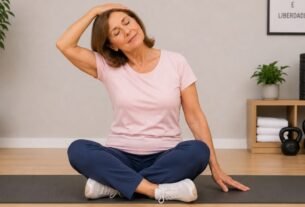
4. Chair Yoga — Flexibility and Calm, No Mat Required
Yoga has accumulated a growing body of research supporting its benefits for joint pain, flexibility, balance, and stress reduction in older adults. The challenge for many seniors is that traditional yoga poses, done on a floor mat, can be difficult or painful for stiff, arthritic joints.
Chair yoga solves this problem elegantly. Every pose is modified to be performed seated in a sturdy chair or using the chair for balance support. This makes the practice accessible to people with significant mobility limitations, balance concerns, or severe joint pain.
What you’ll work on:
- Gentle spinal rotation and extension (critical for back pain relief)
- Hip flexor and hamstring stretching
- Shoulder and neck mobility
- Breathing techniques that activate the parasympathetic nervous system, reducing the stress-mediated inflammation that worsens chronic pain
- Balance and proprioception (body awareness in space)
Where to find chair yoga: YouTube has extensive free chair yoga content specifically for seniors. Search “chair yoga for seniors with arthritis” for guided beginner sessions. Many senior centers and physical therapy clinics also offer in-person classes.
Frequency: Even 15–20 minutes of chair yoga three times per week can produce noticeable improvements in flexibility and pain levels within 4–6 weeks.
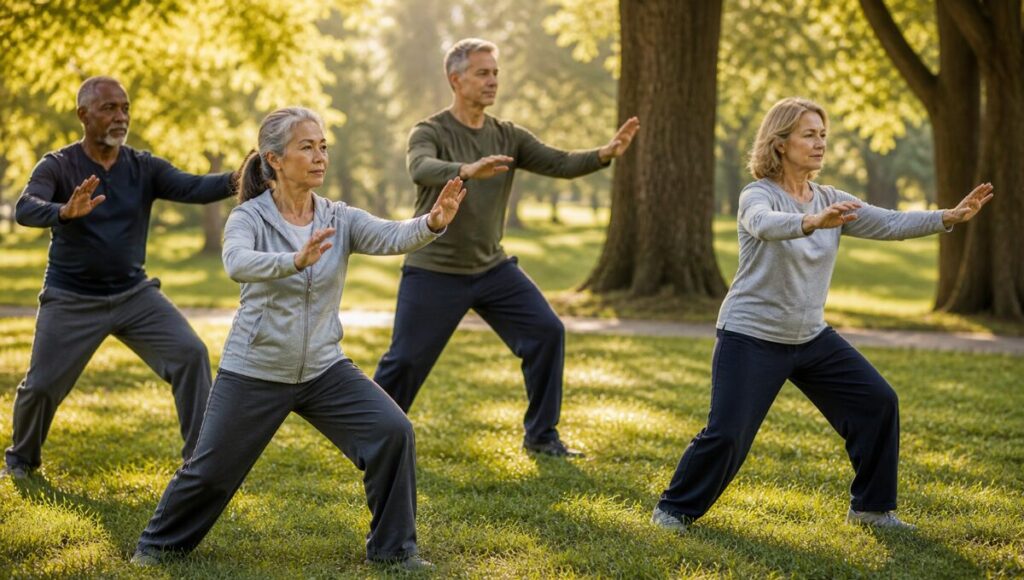
5. Tai Chi — Balance, Flow, and Joint Protection
Tai chi is an ancient Chinese practice that combines slow, deliberate movements with deep breathing and mental focus. For seniors with joint pain, it offers a remarkable combination of benefits that almost no other single activity can match.
A 2021 study published in Annals of Internal Medicine found that tai chi was as effective as physical therapy for reducing knee osteoarthritis pain, and that its benefits persisted longer after the intervention ended. This is significant because physical therapy is the current gold standard treatment for OA management.
Why tai chi is uniquely valuable:
- Balance training: Tai chi dramatically reduces fall risk, a critical concern for older adults with joint pain, who are already at elevated fall risk due to muscle weakness and proprioception deficits.
- Gentle joint loading: The slow, weight-shifting movements strengthen the muscles around the knee and hip without compressive stress.
- Mind-body connection: Tai chi’s meditative quality reduces cortisol levels, and chronic stress is a documented driver of inflammatory pain.
- Social engagement: Group tai chi classes in parks or community centers are a fixture of healthy aging in many cultures worldwide.
Getting started: Look for beginner tai chi classes at your local senior center, YMCA, or community college. The “Yang style” form is the most commonly taught in the U.S. and is well-suited to beginners. Online platforms like YouTube offer free instruction, though learning from a live instructor initially helps ensure proper form.
6. Resistance Band Training — Strength Without the Stress
Building muscle strength is essential for joint pain management. Stronger muscles act as shock absorbers, taking load off cartilage and reducing the mechanical stress that causes pain. But traditional weightlifting can be intimidating, equipment-heavy, and hard on joints when form isn’t perfect.
Resistance bands offer a compelling alternative. They provide progressive resistance through a full range of motion, are inexpensive and portable, and can be used seated or standing, making them accessible regardless of fitness level.
Key exercises for joint pain sufferers:
- Seated leg press with band: Secures around the feet, press away and return slowly. Targets quads and glutes without spine loading.
- Clamshells: Lying on your side, band around thighs, open and close the knees like a clamshell. Targets the hip abductors, critical muscles for knee and hip pain relief.
- Seated rows: Band anchored at a low point, pull toward your hips. Builds the upper back muscles that counteract the rounded posture causing neck and shoulder pain.
- Standing hip extension: Band around ankles, hold chair for balance, press one leg back behind you. Directly targets the gluteus maximus, the most important muscle for protecting the hip joint.
Start light. Use a band that allows you to complete 12–15 repetitions with moderate effort and good form. Add resistance only when the current band feels easy.
7. Elliptical Training — Gym-Based Low-Impact Cardio
If you have access to a gym, the elliptical trainer is worth a prominent place in your routine. Unlike the treadmill, the elliptical keeps your feet in contact with the pedals throughout the motion, eliminating the impact of each footstrike entirely.
Research has shown that elliptical training produces knee joint forces similar to walking, dramatically lower than running, while allowing users to reach training heart rates equivalent to jogging. That’s an excellent trade-off for someone managing joint pain.
Tips for joint-friendly elliptical use:
- Keep resistance moderate; extremely high resistance can increase knee stress
- Maintain an upright posture; don’t lean heavily on the handrails
- The reverse pedaling motion (going backward) targets the quadriceps differently and can be a useful variation
- Start with 10–15 minute sessions and build gradually
How to Build Your Weekly Low-Impact Routine
Combining different modalities throughout the week produces better results than doing the same exercise every day. Here’s a sample weekly structure:
Monday: 25-minute walk + 10 minutes of chair yoga stretching Tuesday: 30-minute water aerobics or swimming Wednesday: 20 minutes of resistance band strength training Thursday: 30-minute stationary bike ride (moderate pace) Friday: Tai chi class or 20-minute YouTube session Saturday: Outdoor walk or leisurely bike ride, keep it enjoyable Sunday: Full rest or gentle 15-minute chair yoga
This schedule provides cardiovascular training, strength work, flexibility, and balance, the four pillars of joint health after 50, without overloading any single joint on consecutive days.
Pain During Exercise: What’s Normal and What’s a Warning Sign
One of the most common fears among seniors starting an exercise program is making their pain worse. Understanding the difference between productive discomfort and warning pain is essential.
Normal during exercise:
- Mild muscle fatigue and burning sensation
- Slight increase in joint warmth or achiness during the activity
- General tiredness afterward
Stop and consult a physician if you experience:
- Sharp, stabbing, or shooting pain
- Pain that worsens progressively as you continue
- Significant joint swelling that develops or worsens after exercise
- Any chest pain, dizziness, or shortness of breath disproportionate to your effort
- Pain that persists more than 2 hours after stopping
The “2-hour rule” used by many physical therapists is a useful guideline: if your pain hasn’t returned to baseline within 2 hours of finishing exercise, you likely did too much. Reduce intensity or duration next session.
The Bottom Line
Joint pain does not have to mean the end of an active life. In fact, for most adults over 50, thoughtful, consistent low-impact exercise is one of the most powerful tools available for reducing pain, improving function, and protecting long-term quality of life.
The exercises in this guide, walking, swimming, cycling, chair yoga, tai chi, resistance band training, and elliptical work, have decades of research behind them and are recommended by physical therapists, rheumatologists, and sports medicine physicians worldwide.
Start where you are. Do what you can. Build gradually. And remember: movement, even imperfect movement, is almost always better than staying still.
This article is for informational purposes only and does not constitute medical advice. Always consult your physician or a licensed physical therapist before beginning a new exercise program, especially if you have a diagnosed joint condition.
Frequently Asked Questions
Can I exercise with active joint inflammation?
During acute flare-ups, when joints are hot, swollen, and very tender, most rheumatologists recommend resting or limiting movement to very gentle range-of-motion exercises only. Resume your regular routine when the acute inflammation calms down. Always follow your doctor’s specific guidance for your condition.
How long before I notice improvements in joint pain?
Most people notice improved stiffness and mild pain reduction within 2–4 weeks of consistent low-impact exercise. Meaningful strength gains and significant pain improvement typically emerge at the 6–8 week mark. Consistency matters far more than intensity.
Is it safe to exercise every day?
Yes, if you vary the activity and keep intensity moderate. Rest days from structured exercise are important, but daily gentle movement, even a 15-minute walk, is generally beneficial for joint health.
Do I need special shoes for low-impact workouts?
For walking and gym exercise, yes, proper footwear makes a significant difference. Look for shoes with good arch support, cushioning in the heel and forefoot, and a wide toe box. A shoe with a slightly elevated heel (called a “heel drop”) can reduce Achilles tendon stress. Visit a specialty running store where staff can assess your gait and recommend appropriate options.
Should I warm up before exercise with joint pain?
Absolutely. A 5–10 minute warm-up at reduced intensity is critical. For people with arthritis, cold, stiff joints are more vulnerable to strain. Light walking, gentle range-of-motion movements, or a warm shower before exercise can significantly reduce pain during your workout.

Lauren is the founder of PainFreeAfter50.com and a dedicated researcher in joint health and healthy aging. After developing chronic joint pain in her early 50s, she spent years reviewing clinical studies and testing natural approaches to find real solutions. Today she shares honest, evidence-based guidance to help adults over 50 manage pain, improve mobility, and reclaim their quality of life.