
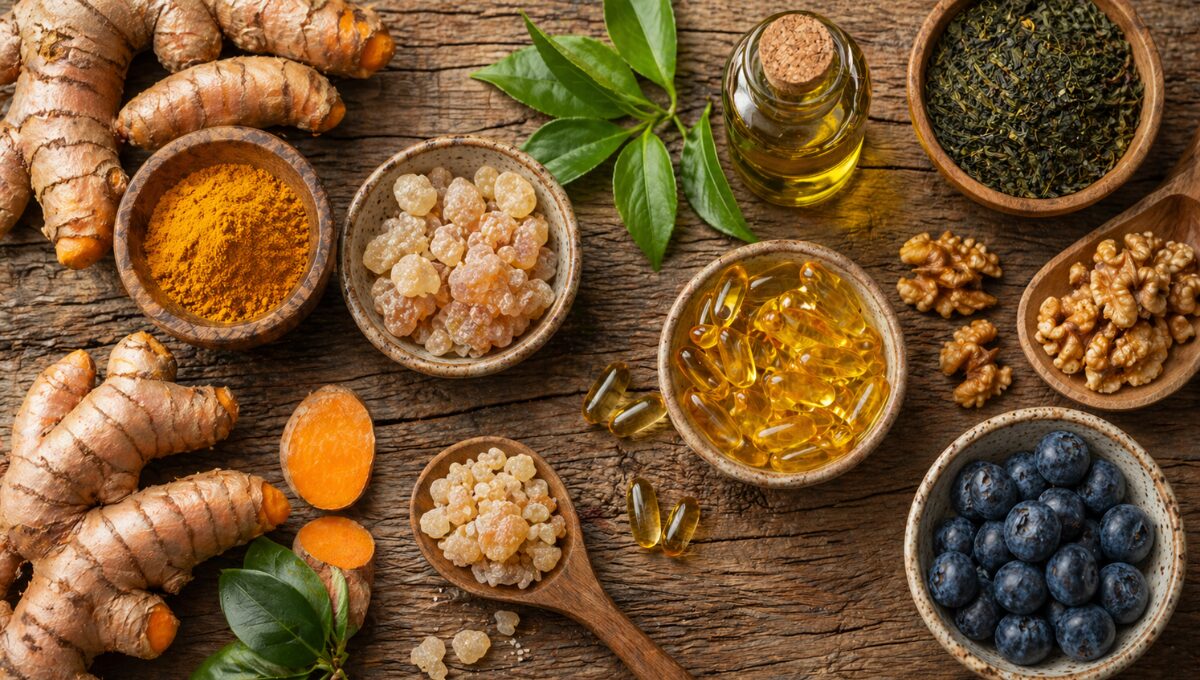
Joint pain is one of the most common complaints among adults over 50. Whether it shows up as morning stiffness in the knees, a dull ache in the hips, or sharp discomfort in the fingers, it has a way of quietly shrinking the life you want to live. The encouraging news is that nature offers a surprisingly powerful toolkit, and science is increasingly backing it up.
This guide covers the most effective natural remedies for joint pain in elderly adults, why they work, how to use them, and how to combine them for maximum results.
Why Joint Pain Becomes More Common With Age
Before diving into solutions, it helps to understand what is actually happening inside aging joints. The most prevalent culprit is osteoarthritis, a condition in which the cartilage that cushions the ends of bones gradually wears away.
Without that protective layer, bones begin to rub against each other, triggering inflammation, swelling, and pain. According to the CDC, roughly 50% of adults over 65 have been diagnosed with some form of arthritis.
But osteoarthritis is not the only issue. Rheumatoid arthritis, an autoimmune disease in which the body attacks its own joint lining, also peaks in later decades. Gout, caused by uric acid crystal buildup, becomes more frequent after 50 as kidney efficiency declines. Bursitis and tendinitis, caused by repetitive strain over a lifetime of movement, are also extremely common in seniors.
Understanding which type of joint problem you are dealing with matters because different conditions respond to different natural approaches.

Turmeric and Curcumin: The Gold Standard of Natural Anti-Inflammatories
Few natural compounds have been studied as extensively as curcumin, the active ingredient in turmeric. It works by blocking NF-kB, a molecule that travels into the nuclei of cells and triggers genes responsible for inflammation. In practical terms, this means it can reduce joint swelling, stiffness, and pain at a molecular level, not just mask symptoms.
A 2016 review published in the Journal of Medicinal Food found that curcumin supplementation significantly reduced pain and improved function in patients with osteoarthritis of the knee, performing comparably to ibuprofen in some trials but without gastrointestinal side effects.
One critical detail: curcumin is poorly absorbed on its own. Always look for supplements that contain piperine (black pepper extract), which increases absorption by up to 2,000%. The standard studied dose is 500 mg of curcumin taken two to three times daily with meals.
Ginger: A Warming Root With Proven Joint Benefits
Ginger has been used in Ayurvedic and traditional Chinese medicine for thousands of years, and modern research confirms that this reputation is well earned. Its active compounds, gingerols and shogaols, inhibit the same inflammatory enzymes targeted by NSAIDs, without the associated risks of gastric bleeding or kidney strain.
A study published in Arthritis & Rheumatism found that highly concentrated ginger extract reduced knee pain in patients with osteoarthritis significantly better than placebo. Beyond its anti-inflammatory action, ginger also improves circulation, which helps deliver nutrients to cartilage, tissue that has no direct blood supply and depends entirely on fluid movement to stay nourished.
For daily use, fresh ginger steeped in hot water is a pleasant and effective option. Supplements in capsule form (250 mg to 500 mg, two to four times daily) deliver a more concentrated dose. Topical ginger creams applied directly to painful joints also show benefit in smaller studies.
Boswellia Serrata: The Ancient Resin That Protects Cartilage
Boswellia, also known as Indian frankincense, contains boswellic acids that specifically block an enzyme called 5-lipoxygenase, a key driver of inflammation in arthritis that ibuprofen and similar drugs do not target. This makes it a valuable complement to other approaches rather than a redundant one.
Read also: Why Knee Pain Becomes More Common After 50
What is particularly exciting about Boswellia for joint health is its ability to inhibit the breakdown of glycosaminoglycans, the structural components of cartilage itself. This means it is not merely reducing pain signals; it may be slowing the structural degradation of the joint.
Clinical studies show measurable improvements in knee function and pain scores within four to eight weeks of consistent use. Boswellia is available in capsule form, typically at doses of 300 mg to 400 mg taken three times daily. When combined with curcumin, the two appear to work synergistically, providing greater relief than either compound alone.
Omega-3 Fatty Acids: Fighting Inflammation From the Inside Out
The relationship between dietary fat and joint inflammation is one of the most actionable areas of nutritional science. Omega-3 fatty acids, found abundantly in fatty fish like salmon, mackerel, sardines, and in supplement form as fish oil, reduce the production of prostaglandins and leukotrienes, the chemical messengers that drive inflammatory pain.
For seniors with rheumatoid arthritis in particular, multiple large trials have shown that omega-3 supplementation reduces morning stiffness, joint tenderness, and the need for NSAID medications. The effects take several weeks to accumulate, but they are real, measurable, and come with cardiovascular benefits as a bonus.
A practical dose is 2,000 mg to 3,000 mg of combined EPA and DHA daily. If you prefer food sources, aim for two to three servings of fatty fish per week. Plant-based sources like flaxseed and chia seeds provide ALA, a precursor to EPA and DHA, though conversion efficiency is lower.
The Role of Vitamin D in Joint and Bone Health
Vitamin D deficiency is extraordinarily common in adults over 60, particularly those who live in northern climates, spend little time outdoors, or have darker skin. This matters deeply for joint health because vitamin D receptors are present in joint tissue, immune cells, and the muscles that support joints. Low levels are associated with increased pain sensitivity, higher inflammatory markers, and accelerated cartilage loss.
A blood test can confirm whether you are deficient. Many seniors require 2,000 IU to 4,000 IU of vitamin D3 daily to maintain optimal levels (between 40 and 60 ng/mL is generally recommended by integrative practitioners). Taken alongside vitamin K2, which directs calcium into bones rather than soft tissues, vitamin D3 supports the skeletal system that every joint depends on.
Magnesium: The Overlooked Mineral for Muscle and Joint Pain
Magnesium plays a direct role in over 300 enzymatic reactions in the body, including those governing muscle relaxation, nerve signaling, and inflammation. Deficiency, which affects up to 60% of older adults due to reduced absorption and common medication use, contributes to muscle spasms, cramping, and heightened pain perception around joints.
Supplementing with magnesium glycinate or magnesium malate (forms that are gentler on the digestive system than magnesium oxide) at 300 mg to 400 mg daily can meaningfully reduce muscle tension around painful joints, improve sleep quality, and lower overall inflammatory tone. Food sources include dark leafy greens, pumpkin seeds, almonds, and dark chocolate.
Heat and Cold Therapy: Simple but Powerfully Effective
Before any supplement reaches for its anti-inflammatory peak, heat and cold therapy offer immediate, accessible relief, and used strategically, they remain valuable tools throughout long-term joint care.
Heat, through a warm bath, heating pad, or warm compress, increases blood flow to stiff tissue, relaxes surrounding muscles, and improves joint flexibility. It is most useful in the morning when stiffness is at its worst, or before exercise to prepare the joint for movement.
Cold therapy, via ice packs, frozen gel packs, or even a bag of frozen peas wrapped in a towel, constricts blood vessels, reduces swelling, and numbs acute pain signals. It is most effective after activity or during flare-ups when inflammation is visibly active.
Contrast therapy, alternating between heat and cold, stimulates circulation in a pumping action that helps clear inflammatory byproducts from joint tissue. A common protocol is three minutes of heat followed by one minute of cold, repeated three to four times.
Anti-Inflammatory Eating: The Diet That Quietly Heals
No supplement program can outrun a consistently inflammatory diet. What you eat sets the baseline level of inflammation in your entire body, including your joints. An anti-inflammatory dietary pattern does not require perfection; it requires consistent direction.
Foods that reliably reduce systemic inflammation include fatty fish (salmon, sardines, mackerel), extra virgin olive oil, colorful berries (blueberries, cherries, strawberries), leafy greens (kale, spinach, Swiss chard), walnuts, and green tea.
The Mediterranean diet, which emphasizes these whole foods along with legumes, whole grains, and moderate wine consumption, has been repeatedly associated with lower levels of C-reactive protein, the blood marker most closely linked to joint inflammation.
On the other side of the equation, refined sugars, processed meats, fried foods, refined vegetable oils (corn, soybean, sunflower), and white flour products all promote the same inflammatory pathways that damage joints. Reducing these is often just as powerful as adding anti-inflammatory foods.
Movement as Medicine: The Right Exercise for Aging Joints
It may seem counterintuitive, but rest is rarely the correct prescription for chronic joint pain. Immobility allows muscles to weaken, cartilage to lose its nutrition from synovial fluid, and joints to stiffen further. The goal is not to avoid movement but to choose the right kind.
Water exercise, swimming and aqua aerobics, is widely considered the gold standard for seniors with joint pain because water reduces effective body weight by up to 90%, allowing full range of motion without compressive stress. Even a 20-minute water walking session three times per week produces measurable improvements in pain and function within six weeks.
Tai Chi deserves particular mention. Multiple clinical trials, including a landmark study published in the New England Journal of Medicine, have found that Tai Chi is as effective as physical therapy for knee osteoarthritis, improving balance, reducing fall risk, and lowering pain scores simultaneously. Its slow, controlled movements gently strengthen the muscles that stabilize vulnerable joints.
Resistance training, done carefully and progressively, is equally important. Strengthening the quadriceps and hamstrings around the knee, for example, reduces compressive force on the joint itself. Working with a physical therapist to design an appropriate program is the safest starting point.
Acupuncture: Ancient Practice With Modern Evidence
Acupuncture has accumulated a respectable body of clinical evidence for joint pain, particularly knee osteoarthritis. A comprehensive 2017 meta-analysis published in JAMA Internal Medicine, which pooled data from nearly 18,000 patients across multiple high-quality trials, found that acupuncture produced significant reductions in chronic pain, well beyond placebo, and that effects persisted for up to 12 months after treatment.
The proposed mechanism involves stimulation of endorphin release, modulation of inflammatory signaling, and increased blood flow to treated areas. For seniors who wish to reduce or avoid medication, a course of 8 to 12 acupuncture sessions with a licensed practitioner is a well-supported option.
Topical Remedies That Work Locally
Natural Remedies for Joint Pain in Elderly. Not every remedy has to travel through the digestive system. Several topical preparations deliver meaningful relief directly at the site of pain.
Capsaicin cream, derived from hot peppers, depletes substance P, a neurotransmitter that carries pain signals from joints to the brain. Applied consistently two to four times daily for at least three weeks, it significantly reduces pain in both osteoarthritis and rheumatoid arthritis. Initial burning or tingling is normal and diminishes with continued use.
Arnica gel, made from the arnica montana plant, has anti-inflammatory properties and is well tolerated on intact skin. It is particularly useful for soft tissue pain and bruising around joints. Menthol-based creams create a cooling sensation that effectively distracts pain signaling, offering fast but temporary relief useful before activity.
Sleep, Stress, and the Hidden Drivers of Joint Pain
Two factors that rarely appear on lists of joint remedies, yet exert enormous influence over pain levels, are sleep quality and chronic stress.
Poor sleep elevates inflammatory cytokines throughout the body, lowers pain thresholds, and impairs tissue repair. Research consistently shows that adults who sleep fewer than six hours per night report significantly higher pain scores than those sleeping seven to eight hours.
Addressing sleep hygiene, consistent bedtimes, a cool dark room, limiting screens before bed, is not a soft recommendation. It directly affects how much joint pain you feel the next day.
Chronic stress triggers the continuous release of cortisol, which, when chronically elevated, paradoxically worsens inflammation rather than suppressing it. Mind-body practices such as meditation, slow diaphragmatic breathing, and gentle yoga have been shown to lower inflammatory markers and improve pain tolerance, effects that compound over time.
A Note on Safety and Medication Interactions
Natural does not automatically mean risk-free, particularly for seniors who are taking prescription medications. Willow bark (which contains salicin, a natural aspirin-like compound) can increase bleeding risk when combined with blood thinners.
High-dose fish oil has mild blood-thinning properties as well. Boswellia may interact with certain anti-inflammatory drugs. Turmeric in therapeutic doses can affect blood sugar and anticoagulant medications.
Always inform your doctor about any supplement you are adding to your routine, especially if you take warfarin, diabetes medications, or drugs for heart conditions. The goal is to work with your medical team to build a comprehensive, layered approach, not to replace professional care.
Putting It All Together: A Practical Framework
The most effective approach to natural joint pain relief for older adults is not a single remedy but a stack of complementary strategies.
A reasonable starting framework might look like this: take curcumin with piperine and Boswellia daily; add omega-3 fish oil and vitamin D3 with K2; clean up the diet in the direction of the Mediterranean pattern; walk or swim four to five days per week; use heat before activity and cold after; explore acupuncture if pain is persistent; and address sleep and stress as non-negotiable foundations.
Progress with natural remedies is typically gradual, most approaches take four to eight weeks of consistency before their full effect becomes apparent. That timeline is not a weakness; it reflects the difference between masking symptoms and genuinely modifying the inflammatory processes underneath them.
Joint pain does not have to define life after 50. With the right combination of evidence-based natural strategies, most seniors can recover meaningful comfort, mobility, and freedom, and keep it.
FAQ — Natural Remedies for Joint Pain in Elderly
What is the fastest-acting natural remedy for joint pain in seniors?
Heat and cold therapy deliver the quickest relief. Apply a warm compress to stiff joints in the morning and an ice pack after activity to reduce swelling. For faster internal relief, ginger tea works within hours for many people due to its immediate effect on inflammatory enzymes.
Can natural remedies replace arthritis medication in older adults?
In mild to moderate cases, many seniors significantly reduce or eliminate their need for NSAIDs through consistent use of turmeric, omega-3s, and Boswellia combined with dietary changes and gentle exercise. However, always consult your doctor before adjusting any prescribed medication.
How long does it take for turmeric to relieve joint pain?
Most people notice a meaningful reduction in stiffness and discomfort after four to six weeks of daily use. Curcumin is not a painkiller, it works by gradually lowering inflammation at a cellular level. Consistency matters more than dosage. Taking it with black pepper extract (piperine) is essential for proper absorption.
Is exercise safe for elderly people with severe joint pain?
Yes, when chosen correctly. Water-based exercise, swimming and aqua aerobics, is the safest option because water supports body weight and eliminates joint impact. Tai Chi is equally well-studied and improves both pain and balance. The key is avoiding high-impact activities like running on hard surfaces, which compress already damaged cartilage.

Lauren is the founder of PainFreeAfter50.com and a dedicated researcher in joint health and healthy aging. After developing chronic joint pain in her early 50s, she spent years reviewing clinical studies and testing natural approaches to find real solutions. Today she shares honest, evidence-based guidance to help adults over 50 manage pain, improve mobility, and reclaim their quality of life.



2 thoughts on “Natural Remedies for Joint Pain in Elderly: What Really Works After 50”