

Joint pain can make everyday activities feel harder than they should. Whether it’s climbing stairs, gardening, walking the dog, or simply getting out of bed in the morning, aching joints can affect quality of life. As people age, many start looking for natural ways to support joint health and maintain mobility.
One of the most common questions we hear is Fish Oil vs. Glucosamine: Which is better for seniors? Both supplements are widely used by adults over 50, but they work in very different ways. Fish oil is known for its anti-inflammatory properties, while glucosamine is often associated with supporting cartilage and joint structure.
In this guide, we’ll compare the benefits, limitations, and scientific evidence behind both supplements so you can make a more informed decision about your joint health.
What Science Says About Fish Oil vs. Glucosamine
When comparing fish oil vs. glucosamine, it’s important to understand that these supplements target different aspects of joint health.
Fish oil contains omega-3 fatty acids, primarily EPA (eicosapentaenoic acid) and DHA (docosahexaenoic acid). These healthy fats help reduce inflammation throughout the body. Since inflammation often contributes to joint discomfort, fish oil may help some people experience less pain and stiffness.
Research published in medical journals and reviewed by organizations such as the National Institutes of Health (NIH) suggests that omega-3 fatty acids can support joint comfort, particularly in inflammatory conditions. Omega-3s have also been associated with heart and brain health, providing benefits beyond the joints.
Glucosamine, on the other hand, is a naturally occurring compound found in cartilage. It is commonly used to support joint structure and may help slow cartilage breakdown in some individuals with osteoarthritis.
According to reviews referenced by organizations such as the Mayo Clinic and Harvard Health, studies on glucosamine have shown mixed results. Some people report noticeable improvements in pain and mobility, while others experience little or no benefit.
One reason for these mixed findings is that osteoarthritis affects individuals differently. Factors such as age, weight, activity level, and the severity of joint damage can all influence results.
The current expert consensus is that both supplements are generally safe for many adults and may provide benefits for certain individuals, but neither should be viewed as a cure for arthritis or chronic joint conditions.

Fish Oil vs. Glucosamine: Practical Insights for Adults Over 50
Based on common experiences among adults over 50, the choice between fish oil and glucosamine often depends on the type of joint symptoms a person experiences.
Many of our readers report that fish oil seems most helpful when stiffness is accompanied by general inflammation. For example, some people notice that their joints feel less swollen and more comfortable after several weeks of consistent omega-3 supplementation.
Fish oil may be particularly appealing for seniors who also want cardiovascular benefits. Since heart health becomes increasingly important with age, some individuals appreciate the possibility of supporting multiple aspects of health with a single supplement.
Glucosamine tends to attract people who are focused specifically on cartilage support. Those dealing with age-related wear and tear in the knees, hips, or hands often explore glucosamine as part of their joint health strategy.
One practical difference is timing.
Fish oil may begin providing noticeable benefits within a few weeks for some users, while glucosamine often requires consistent use for two to three months before results become apparent.
It’s also worth noting that individual responses vary considerably. What works well for one person may not work for another. For this reason, many healthcare providers encourage patients to track symptoms, pain levels, and mobility improvements when trying a new supplement.
Potential Limitations
Fish oil may cause mild digestive discomfort or a fishy aftertaste in some people. Glucosamine may not provide noticeable benefits for everyone, and research results remain inconsistent. Both supplements can interact with certain medications, which is why medical guidance is important before starting either option.
Actionable Tips for Choosing the Right Supplement
If you’re trying to decide between fish oil and glucosamine, consider these practical steps.
1. Identify Your Main Goal
Ask yourself what you’re hoping to improve. If your primary concern is inflammation and stiffness, fish oil may be worth considering. If you’re focused on supporting cartilage and long-term joint structure, glucosamine may be more aligned with your goals.
2. Give Supplements Enough Time
One common mistake is stopping too early. Many experts suggest evaluating results after several weeks or even a few months of consistent use. Supplements typically work more gradually than prescription medications.
3. Focus on Lifestyle Habits Too
No supplement can replace healthy habits. Research consistently shows that the following strategies support joint health:
- Maintaining a healthy weight
- Staying physically active
- Strengthening muscles around the joints
- Eating an anti-inflammatory diet
- Getting adequate sleep
In many cases, these lifestyle changes produce greater benefits than supplements alone.
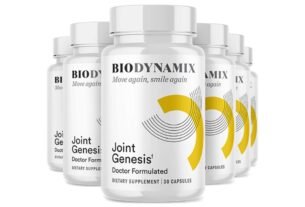
Joint Genesis Review: Ingredients, Benefits
4. Choose Quality Products
Look for products that undergo third-party testing for purity and quality. This is particularly important with fish oil, where freshness and contaminant testing matter.
5. Discuss Medications With Your Doctor
Fish oil may affect blood clotting, especially in people taking blood-thinning medications. Glucosamine may interact with certain medications as well. Always review your supplement plan with a healthcare professional.
What Experts Recommend
When evaluating fish oil vs. glucosamine, most experts avoid declaring a universal winner. Organizations such as the Mayo Clinic, NIH, and Harvard Health generally emphasize individualized care. Many healthcare professionals recommend fish oil when inflammation appears to play a significant role in joint discomfort.
For osteoarthritis-related concerns, glucosamine may be considered as part of a broader management plan, particularly if an individual wishes to explore non-prescription options.
Experts also stress realistic expectations. Neither fish oil nor glucosamine can rebuild severely damaged joints or completely eliminate arthritis symptoms.
Instead, these supplements may provide modest support when combined with exercise, weight management, physical therapy, and other evidence-based approaches.
In clinical practice, some healthcare providers even allow patients to try one supplement for several months and assess whether meaningful improvements occur before deciding whether to continue.
The most important recommendation remains consistent: work with a qualified healthcare provider to determine the safest and most appropriate option for your individual health needs.
Frequently Asked Questions
Is fish oil or glucosamine better for knee pain in seniors?
The answer depends on the cause of the pain. Fish oil may help if inflammation is contributing to discomfort. Glucosamine may be more relevant for individuals with osteoarthritis and cartilage-related concerns.
Can seniors take fish oil and glucosamine together?
In many cases, yes. Because they work differently, some healthcare providers allow patients to use both supplements. However, it’s important to discuss this with your doctor to ensure safety and avoid interactions.
How long does glucosamine take to work for joint pain?
Many people need at least 8 to 12 weeks of consistent use before evaluating results. Benefits, when they occur, often develop gradually.
What is the best supplement for joint pain and stiffness after age 50?
There is no single best supplement for everyone. Fish oil, glucosamine, turmeric, and collagen are among the most commonly discussed options. The ideal choice depends on your health history, symptoms, and goals.
Conclusion
When comparing fish oil vs. glucosamine, the best choice depends on your specific needs.
Fish oil may be a better option for seniors looking to support a healthy inflammatory response while also benefiting heart and brain health. Glucosamine may appeal more to those focused on cartilage support and osteoarthritis-related joint concerns.
Current research suggests that both supplements may offer benefits for certain individuals, although results vary from person to person. Consistency, realistic expectations, and healthy lifestyle habits remain essential for long-term joint health.
If you’re considering adding a supplement to your routine, talk with your healthcare provider and choose a high-quality product that aligns with your personal health goals.
Medical Disclaimer
This article is for educational purposes only and does not constitute medical advice. Always consult a qualified healthcare professional before starting any supplement, especially if you have a medical condition, take prescription medications, or are pregnant or nursing. Some links on this website may be affiliate links, which means we may earn a commission at no additional cost to you.

Lauren is the founder of PainFreeAfter50.com and a dedicated researcher in joint health and healthy aging. After developing chronic joint pain in her early 50s, she spent years reviewing clinical studies and testing natural approaches to find real solutions. Today she shares honest, evidence-based guidance to help adults over 50 manage pain, improve mobility, and reclaim their quality of life.


1 thought on “Fish Oil vs. Glucosamine: Which Is Better for Seniors?”