

If you’re living with arthritis, you know the feeling all too well stiff fingers in the morning, aching knees that make climbing stairs feel like a chore, or wrists that throb after a few minutes of light activity. You’ve probably tried a heating pad, changed your diet, and maybe even adjusted your exercise routine. But when the pain flares up, sometimes you just want something fast, something you can reach for right now. That’s where the best creams for arthritis pain relief come in.
Topical creams and gels have become one of the most popular options for managing joint pain, and for good reason. They work locally, meaning the active ingredients go straight to the problem area without passing through your entire digestive system. For adults over 50, that can make a real difference.
In this article, we’ll break down what the science says, walk through the most effective types of topical treatments, and share what medical professionals actually recommend.
Best Creams for Arthritis Pain Relief: What Science Says About Topical Arthritis Creams
The research on topical pain relief for arthritis is genuinely encouraging, especially for people who want to avoid oral medications or simply add another layer of relief to their routine.
According to the National Institutes of Health (NIH), topical nonsteroidal anti-inflammatory drugs (NSAIDs) like diclofenac sodium gel—have been shown to reduce pain in osteoarthritis with significantly fewer systemic side effects compared to oral NSAIDs. This is particularly relevant for older adults, who are more susceptible to stomach bleeding, kidney stress, and cardiovascular risks from oral anti-inflammatories.
The Arthritis Foundation also acknowledges that capsaicin creams, derived from chili peppers, can be effective for reducing pain signals over time. Capsaicin works by depleting a chemical called Substance P, which plays a role in transmitting pain to the brain. It takes consistent use (usually two to four weeks), but the evidence supports it.
A review published in the Cochrane Database of Systematic Reviews found that topical diclofenac provided meaningful pain relief for osteoarthritis of the hand and knee, with a good safety profile in adults who used it as directed.
The bottom line: these aren’t just marketing claims. Real research backs certain ingredients, and knowing which ones to look for is the first step to finding what works for you.
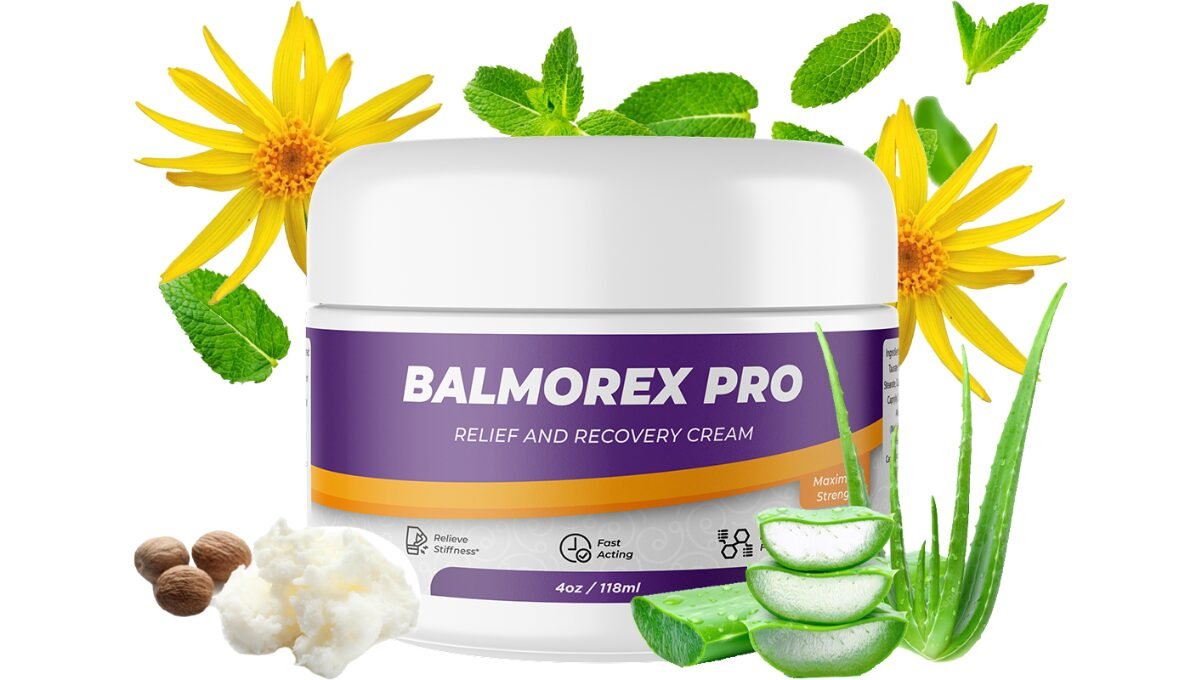
Balmorex Pro
Complete Support For Healthy Joints, Back and Muscles
The Main Types of Arthritis Creams and How They Work
Not all arthritis creams are created equal. They fall into a few distinct categories, each working through a different mechanism. Understanding the difference helps you choose the right one for your specific symptoms.
1. Counterirritants (Menthol and Camphor)
These are the creams that create a cooling or warming sensation; think Bengay, Icy Hot, or Biofreeze. They work by distracting your nervous system. The cold or warm feeling essentially “interrupts” the pain signal your brain is receiving. They won’t reduce inflammation, but many of our readers report that they bring fast, noticeable comfort within minutes, which is especially helpful on bad pain days.
Best for: Quick relief, muscle aches, mild joint discomfort.
Capsaicin is the compound that makes chili peppers hot. When applied to skin, it gradually depletes Substance P, reducing how intensely your body registers pain in that area. Common brands include Zostrix and Capzasin.
The catch: it can cause a burning sensation at first, which discourages some people from sticking with it. But based on common experiences among adults over 50 who push through those first two weeks, the relief tends to build meaningfully over time.
Best for: Chronic joint pain, hands, knees, and nerve-related arthritis pain.
3. Topical NSAIDs (Diclofenac)
This is where the science gets most specific. Voltaren Arthritis Pain Gel (diclofenac sodium 1%) is the only FDA-approved over-the-counter topical NSAID in the United States. It reduces inflammation at the source without the systemic risks of an oral pill.
Voltaren is especially popular for hand and knee arthritis, and it’s now available without a prescription at most pharmacies. Many doctors consider this the gold standard in over-the-counter topical arthritis relief.
Best for: Osteoarthritis in hands, fingers, wrists, and knees.
4. Salicylates
Salicylate creams like Aspercreme contain a compound related to aspirin that reduces inflammation when absorbed through the skin. They’re generally gentler, and fragrance-free versions are available, which is a plus for sensitive skin.
Best for: Mild to moderate arthritis, people sensitive to strong smells or menthol.
5. CBD Topicals
CBD-infused creams have exploded in popularity in recent years. The research is still early, but some small studies suggest CBD may have anti-inflammatory properties. What we can say is that many users find them soothing, and they’re generally well-tolerated. Look for products with third-party lab testing and clear ingredient labels.
Best for: General soreness, inflammation, people seeking natural options.
How to Get the Most Out of Your Arthritis Cream
Choosing the right cream is only half the equation. How you use it matters just as much. Here are practical tips based on what tends to work best for adults managing daily joint pain.
Apply to clean, dry skin. Dirt or lotion residue can block absorption. Wash the area gently and pat it dry before applying.
Use the right amount. More isn’t always better, especially with capsaicin or diclofenac. Follow the product’s dosing instructions. For Voltaren, for example, the recommended dose is measured in grams per joint area per day.
Be consistent. Counterirritants give fast but temporary relief. Capsaicin and topical NSAIDs need regular, sustained use to deliver their full benefit. Set a routine, morning and evening, and stick with it.
Wash your hands after applying. This is especially important with capsaicin. You do not want to touch your eyes or face with residue on your hands.
Give it time. If you’re trying a new cream, commit to at least two to four weeks before deciding it isn’t working. Most topical treatments need time to build up in the tissue.
Combine with other approaches. Topical creams work best as part of a broader pain management plan. Light movement, warm compresses, anti-inflammatory foods, and adequate sleep all contribute to how well you feel overall.

What Experts Recommend for Arthritis Pain Relief
Medical professionals don’t always lead with topical creams as a first recommendation, but that’s changing. As more evidence builds, especially around diclofenac gel, doctors are increasingly suggesting topical options as a safer first step before oral medications.
The Mayo Clinic notes that topical pain relievers can be especially useful for people with mild to moderate osteoarthritis and for those who cannot tolerate oral NSAIDs due to stomach problems or other concerns.
Harvard Health Publishing has highlighted diclofenac gel as a particularly good option for older adults, noting that it delivers anti-inflammatory effects with lower blood levels of the drug compared to pills, meaning fewer systemic side effects.
Rheumatologists often recommend a layered approach: start with lifestyle changes and topical treatments, then escalate to oral medications only if needed. If your pain is severe, constant, or affecting your sleep and daily function, that’s a signal to speak with your doctor about a broader treatment plan.
A few things worth noting:
— If you’re on blood thinners or other medications, check with your doctor before using any topical NSAID.
— If you have skin conditions like eczema or psoriasis, some creams may irritate affected areas.
— Prescription-strength topical treatments (like higher-dose diclofenac) are available if over-the-counter options aren’t giving you enough relief.
Frequently Asked Questions
What is the most effective cream for arthritis pain relief in hands and fingers?
Diclofenac sodium gel (Voltaren) is currently the most clinically supported over-the-counter option for hand and finger arthritis. It reduces inflammation directly at the joint and has been shown in multiple studies to reduce pain in hand osteoarthritis with a strong safety record. Apply it as directed, typically four times daily, and give it at least two weeks of consistent use.
How long does it take for arthritis creams to start working?
It depends on the type. Counterirritants like menthol or camphor creams can provide relief within minutes, but the effect is temporary. Capsaicin creams typically require two to four weeks of consistent use to reduce pain signals meaningfully. Topical NSAIDs like diclofenac may show noticeable improvement within a week, with full effect building over several weeks.
Can I use arthritis cream every day?
Yes, most topical arthritis creams are safe for daily use when applied as directed. Topical NSAIDs like Voltaren have been studied for use up to 21 days. For long-term use beyond that, it’s a good idea to check in with your doctor, especially if you’re managing other conditions or taking other medications.
Are there natural arthritis creams that actually work?
Some natural options have real evidence behind them. Capsaicin, which comes from chili peppers, is one of the best-studied natural compounds for topical pain relief. Arnica gel also has some supportive research for muscle and joint pain. CBD topicals are promising but need more robust clinical study. Look for products with transparent labeling and third-party testing if you go the natural route.
Conclusion
Living with arthritis doesn’t mean resigning yourself to constant pain. The best creams for arthritis pain relief whether you choose a fast-acting counterirritant, a proven topical NSAID like Voltaren, or a natural option like capsaicin can make a real, daily difference in how you feel and function.
The key is knowing what you’re buying, applying it correctly, and being patient enough to let it work. Pair your topical treatment with smart lifestyle habits and open communication with your healthcare provider, and you’re giving yourself the best possible foundation for managing arthritis pain on your own terms.
If you found this article helpful, explore the rest of our site for more practical, evidence-based guidance on joint health, natural pain relief, and living well after 50.
Medical Disclaimer
The information in this article is intended for general informational purposes only and does not constitute medical advice. It is not a substitute for professional medical diagnosis, treatment, or guidance. Always consult a qualified healthcare provider before starting any new treatment, supplement, or pain management approach, especially if you have existing health conditions or take prescription medications. Individual results may vary.

Lauren is the founder of PainFreeAfter50.com and a dedicated researcher in joint health and healthy aging. After developing chronic joint pain in her early 50s, she spent years reviewing clinical studies and testing natural approaches to find real solutions. Today she shares honest, evidence-based guidance to help adults over 50 manage pain, improve mobility, and reclaim their quality of life.



3 thoughts on “Best Creams for Arthritis Pain Relief: What Actually Works After 50”