
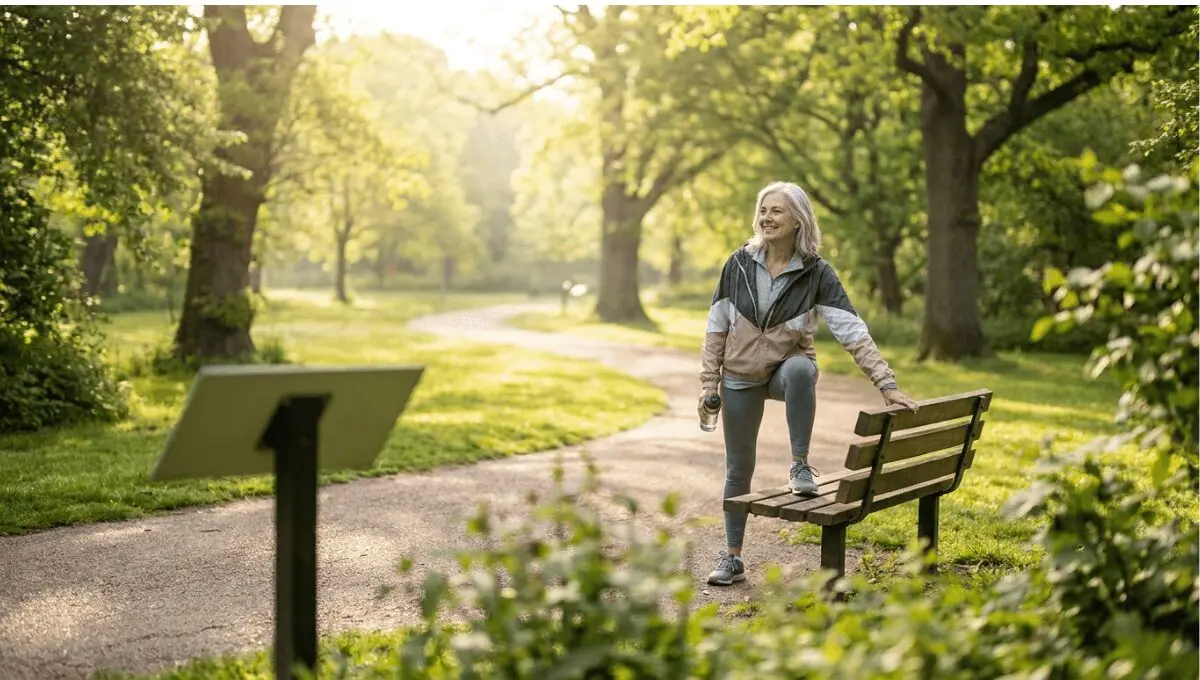
Experiencing persistent knee swelling in seniors is more than just an inconvenience; it often impacts mobility and daily quality of life. As we navigate our fifties and beyond, it is common to notice that our joints do not recover as quickly as they once did.
Many of our readers report that morning stiffness and visible inflammation around the knee joint have become frequent companions during their morning walk or gardening sessions.
Whether it stems from years of active living or the natural wear and tear of aging, understanding why your knee is swelling is the first step toward finding relief. In this guide, we explore the clinical reasons behind knee swelling in seniors and share practical, expert-backed strategies to manage symptoms safely at home. Let’s look at how you can regain comfort and get back to doing what you love.
What science says about joint health
Clinical consensus, supported by institutions like the National Institutes of Health (NIH), indicates that knee swelling—medically known as joint effusion—is often a signal from the body that something is amiss. It is rarely the disease itself but rather a symptom of an underlying condition.
Research frequently points to osteoarthritis as the primary culprit in adults over 50. According to studies published in journals like JAMA, the cartilage that cushions the ends of the bones begins to thin over time, causing friction. This friction triggers the joint lining to produce excess fluid, leading to that telltale puffiness.
Other research from Harvard Health highlights that systemic issues, such as gout or rheumatoid arthritis, can also cause sudden, sharp swelling, which requires a different clinical approach than standard wear and tear.
Understanding your joints after 50
Based on common experiences among adults over 50, it is easy to assume that all knee pain is “just part of aging.” However, drawing on years of observational experience with joint health, we know that recognizing the specific type of discomfort can save you months of unnecessary pain.
Many of our readers find that their swelling is worse after periods of inactivity, such as sitting through a movie or a long car ride. This is often linked to the fluid pooling in the joint space.
Conversely, swelling that occurs immediately after a physical activity, like a long walk or climbing stairs, often indicates an acute flare-up of existing joint inflammation. Identifying the “trigger” is a cornerstone of managing knee swelling in seniors effectively without relying solely on medication.
Actionable tips for managing inflammation
Managing knee swelling at home starts with the R.I.C.E. method—rest, ice, compression, and elevation. This remains the gold standard recommended by the Mayo Clinic for minor joint issues.
Rest: Give your knee a break from high-impact activities.
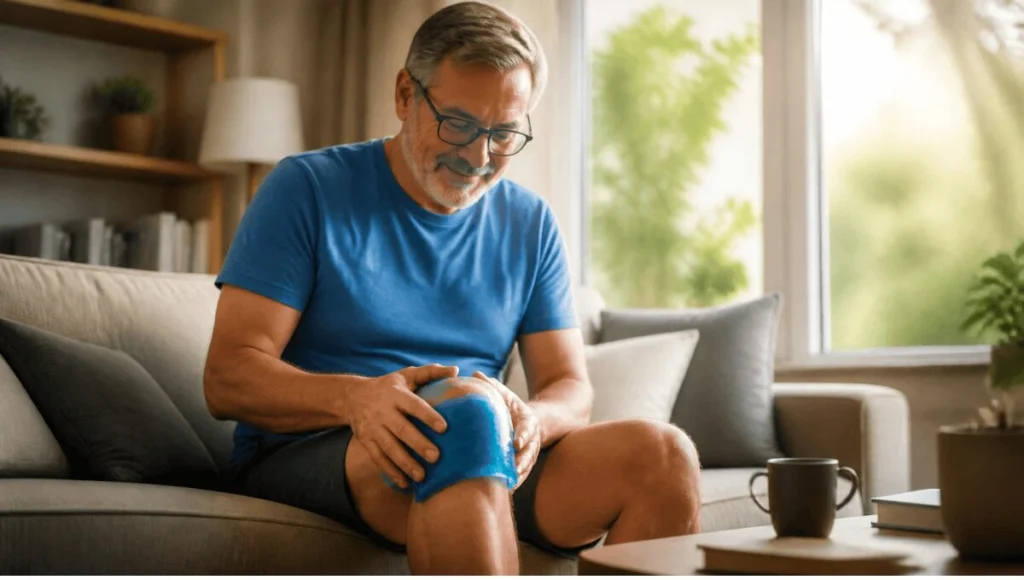
Ice: Apply a cold pack for 15–20 minutes several times a day. This constricts blood vessels and reduces fluid buildup.
Compression: Use a light elastic bandage to help manage swelling, but ensure it is not too tight to avoid cutting off circulation.
*Elevation: Keep your knee propped up above the level of your heart whenever possible to help gravity pull the excess fluid away from the joint.
Beyond R.I.C.E., low-impact movement is essential. Many experts suggest gentle water aerobics or stationary cycling. These activities keep the joint lubricated without putting the same stress on the cartilage as jogging or heavy lifting.
Read also—you might like
Why Do My Joints Ache When It Rains?
The Natural
Nerve-Supporting Breakthrough
What experts recommend for long-term health
Clinical guidance emphasizes a multi-faceted approach. While home care is vital, experts urge seniors to consult a physician if swelling is accompanied by fever, redness, or an inability to put weight on the leg.
Physicians often recommend a combination of physical therapy and dietary adjustments. Strengthening the quadriceps, the muscles on the front of your thigh, is one of the most effective ways to support the knee joint and reduce stress.
Furthermore, maintaining a healthy weight remains the most impactful “medicine” for knee health; even a modest weight loss can significantly decrease the load on your knee joints, reducing the frequency of swelling episodes.
Conclusion. Managing knee swelling in seniors is about balancing rest with gentle, consistent movement. By understanding the role of inflammation and employing strategies like the R.I.C.E. method, you can take control of your joint health. Remember, while home care is incredibly effective, professional guidance is essential for persistent issues.
If you have found relief through these methods, we would love to hear your story. Always consult with your primary healthcare provider before starting any new exercise routine.
Frequently Asked Questions
Why does my knee swell up at night?
Knee swelling at night often occurs because of fluid redistribution. During the day, gravity pulls fluid toward your feet; when you lie down, that fluid levels out, often settling around the joints.
Can diet affect knee swelling in seniors?
Yes. Anti-inflammatory foods, such as those rich in Omega-3 fatty acids (like salmon or walnuts), may help manage systemic inflammation, potentially reducing the frequency of knee swelling.
When should I worry about knee swelling?
Seek medical attention if the swelling is sudden or severe, accompanied by a fever, or if the knee looks deformed or feels hot to the touch, as these could indicate infection or a severe injury.
Are there specific exercises for knee swelling?
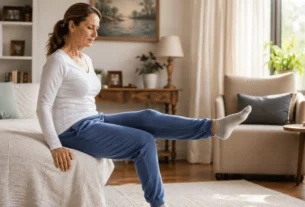
Yes, but they should be gentle. Straight-leg raises and seated knee extensions are generally recommended by physical therapists to strengthen support muscles without aggravating the joint.
Medical Disclaimer: This content is for informational purposes only and does not constitute medical advice, diagnosis, or treatment. Always seek the advice of your physician or other qualified health provider with any questions you may have regarding a medical condition. This post may contain affiliate links, meaning we earn a small commission if you make a purchase through our links, at no extra cost to you

Lauren is the founder of PainFreeAfter50.com and a dedicated researcher in joint health and healthy aging. After developing chronic joint pain in her early 50s, she spent years reviewing clinical studies and testing natural approaches to find real solutions. Today she shares honest, evidence-based guidance to help adults over 50 manage pain, improve mobility, and reclaim their quality of life.


1 thought on “Knee Swelling in Seniors: Causes and Home Treatment”