

Have you ever noticed your knees, hips, or hands becoming more painful right before a storm? If so, you’re not alone. Many adults ask, “Why Do My Joints Ache When It Rains?” especially as they get older.
For generations, people have linked rainy weather to aching joints. Some even claim they can predict a storm based on how their bodies feel. While this idea was once dismissed as an old wives’ tale, modern research suggests there may be real reasons why weather changes affect certain people.
If you experience joint pain during rainy days, understanding the science behind it can help you manage symptoms and stay active. In this article, we’ll explore what researchers know, what experts recommend, and practical ways to reduce weather-related joint discomfort.
What Science Says About Why Do My Joints Ache When It Rains?
Scientists have studied the connection between weather and joint pain for decades. While research results are mixed, many experts agree that changes in atmospheric conditions may play a role.
One of the most commonly discussed factors is barometric pressure, also known as atmospheric pressure. This is the weight of the air surrounding us. Before rainstorms, barometric pressure often drops.
Some researchers believe that when pressure decreases, tissues around the joints may expand slightly. This expansion could place additional stress on sensitive nerves and inflamed tissues, leading to increased discomfort.
Studies published in medical journals have found associations between weather changes and pain in people with conditions such as:
- Osteoarthritis
- Rheumatoid arthritis
- Chronic back pain
- Fibromyalgia
The National Institutes of Health (NIH) has noted that weather sensitivity varies greatly from person to person. Likewise, experts from Harvard Health Publishing acknowledge that many patients consistently report worsening symptoms during weather changes.
However, researchers emphasize that weather is unlikely to be the sole cause of joint pain. Instead, it may act as a trigger that amplifies existing inflammation or sensitivity.

Possible Weather Factors Linked to Joint Pain
Several environmental changes may contribute to discomfort:
- Falling barometric pressure
- Increased humidity
- Lower temperatures
- Reduced physical activity during rainy days
- Changes in circulation caused by cold weather
Although science has not reached a definitive conclusion, the relationship between weather and joint pain is considered plausible and continues to be studied.
Common Experiences Among Adults Over 50
Based on common experiences among adults over 50, weather-related joint pain often follows recognizable patterns.
Many of our readers report symptoms such as:
- Stiff knees in the morning before rain
- Aching fingers during cold weather
- Increased hip pain on damp days
- Greater difficulty moving after long periods indoors
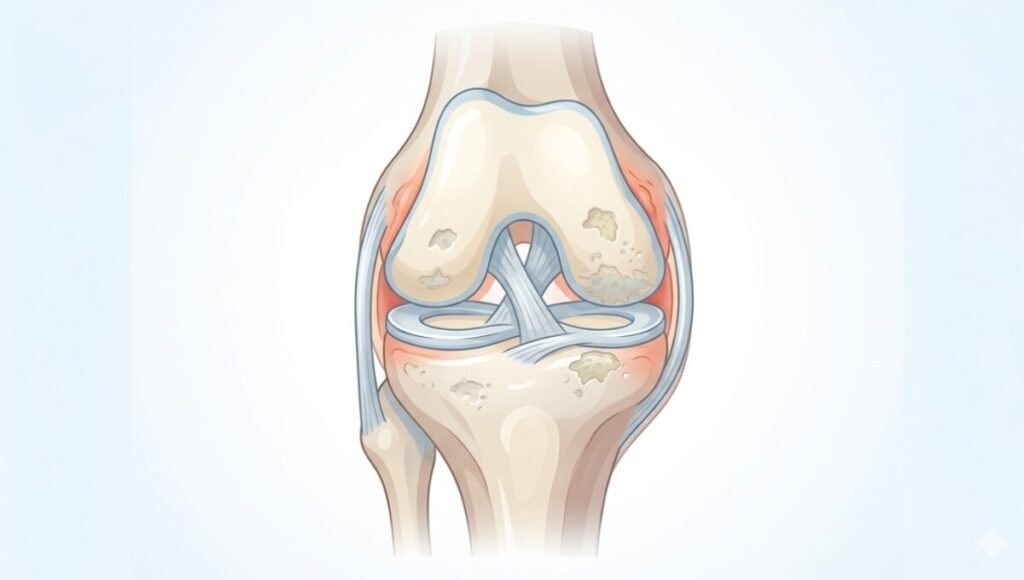
As we age, the cartilage that cushions our joints naturally wears down. This can make joints more sensitive to environmental changes.
People with osteoarthritis often describe feeling discomfort before a storm arrives rather than during the rainfall itself. This observation supports the theory that changes in barometric pressure may be involved.
In my experience reviewing patient education resources and clinical guidance, one important point stands out: weather-related pain is highly individual. Some people notice dramatic changes, while others feel little or no difference.
Why Older Adults May Notice It More
Several age-related factors may increase sensitivity:
- Reduced cartilage thickness
- Previous joint injuries
- Chronic inflammation
- Decreased muscle support around joints
- Existing arthritis
These factors can make joints more vulnerable to small changes in the surrounding environment.
The good news is that weather-related discomfort does not necessarily indicate worsening joint damage. In many cases, symptoms fluctuate even when the underlying condition remains stable.
Practical Ways to Reduce Rainy-Day Joint Pain
If rainy weather consistently affects your joints, there are several strategies that may help.
Stay Physically Active
Movement is one of the most effective tools for managing joint pain.
Low-impact activities can help maintain flexibility and circulation:
- Walking
- Swimming
- Gentle cycling
- Stretching
- Yoga designed for seniors
Even a short indoor workout can prevent stiffness from building up during bad weather.
Keep Joints Warm
Cold temperatures can increase muscle tension and reduce comfort.
Consider:
- Wearing layered clothing
- Using heating pads
- Taking warm showers
- Applying warm compresses
Many people find warmth especially helpful for knee and hand pain.
Maintain a Healthy Weight
Excess weight places additional stress on weight-bearing joints.
According to the Mayo Clinic, maintaining a healthy weight can significantly reduce pressure on the knees and hips, helping improve mobility and comfort over time.
Prioritize Sleep
Poor sleep can make pain feel more intense.
Try to:
- Keep a consistent bedtime
- Limit caffeine late in the day
- Create a comfortable sleeping environment
- Avoid excessive screen time before bed
Quality sleep supports the body’s natural recovery processes.
Stay Hydrated
Hydration supports overall health and may help tissues function more efficiently.
While drinking water won’t eliminate weather-related pain, staying hydrated remains an important part of joint health.
What Experts Recommend
Medical experts generally recommend focusing on proven joint-health strategies rather than trying to control the weather.
Guidance from organizations such as the Mayo Clinic, NIH, and Harvard Health often includes the following recommendations:
Follow Your Treatment Plan
If you have arthritis or another diagnosed condition, continue following your healthcare provider’s recommendations.
This may include:
- Physical therapy
- Exercise programs
- Prescription medications
- Over-the-counter pain relievers when appropriate
Track Your Symptoms
Keeping a journal can help identify patterns.
Record:
- Daily pain levels
- Weather conditions
- Activity levels
- Sleep quality
Over time, you may discover that factors such as inactivity or poor sleep influence symptoms as much as the weather itself.
Strengthen Supporting Muscles
Strong muscles help protect joints.
A healthcare professional or physical therapist can recommend safe exercises designed to improve:
- Balance
- Stability
- Flexibility
- Strength
Seek Medical Evaluation for New Symptoms
Weather-related aches are common, but sudden or severe joint pain should never be ignored.
Contact a healthcare provider if you experience:
- Significant swelling
- Redness
- Fever
- Severe pain
- Loss of joint function
These symptoms may indicate an underlying medical condition that requires treatment.
Does rain actually cause joint pain? Rain itself does not appear to directly cause joint pain. However, weather changes associated with rain, especially drops in barometric pressure, may contribute to discomfort in some individuals.
How can I prevent joint pain during cold and rainy weather? Staying active, keeping joints warm, maintaining a healthy weight, and following your treatment plan are among the most effective strategies for reducing weather-related joint discomfort.
Can weather changes make arthritis worse? Weather changes may temporarily increase arthritis symptoms for some people. However, they do not appear to accelerate the progression of arthritis itself.
Why do my knees hurt before it rains? Many experts believe that falling atmospheric pressure may affect tissues surrounding the knee joint. People with osteoarthritis or previous knee injuries may be more sensitive to these changes.
Conclusion
So, why do my joints ache when it rains? While scientists have not identified a single definitive answer, evidence suggests that changes in barometric pressure, temperature, and humidity may influence pain levels in some people.
Many adults over 50 notice a connection between weather changes and joint discomfort, especially those living with arthritis or previous joint injuries. Fortunately, staying active, keeping warm, maintaining a healthy lifestyle, and following expert medical guidance can make a meaningful difference.
If rainy days consistently leave you feeling stiff or sore, consider discussing your symptoms with a healthcare professional. A personalized treatment plan can help you stay comfortable and active year-round.
Medical Disclaimer
This article is for educational purposes only and does not constitute medical advice. Always consult a qualified healthcare professional regarding any medical concerns, diagnosis, or treatment decisions. Some articles may contain affiliate links; if present, we only recommend products that align with reputable health guidance.

Lauren is the founder of PainFreeAfter50.com and a dedicated researcher in joint health and healthy aging. After developing chronic joint pain in her early 50s, she spent years reviewing clinical studies and testing natural approaches to find real solutions. Today she shares honest, evidence-based guidance to help adults over 50 manage pain, improve mobility, and reclaim their quality of life.



1 thought on “Why Do My Joints Ache When It Rains? (Science Explained)”