
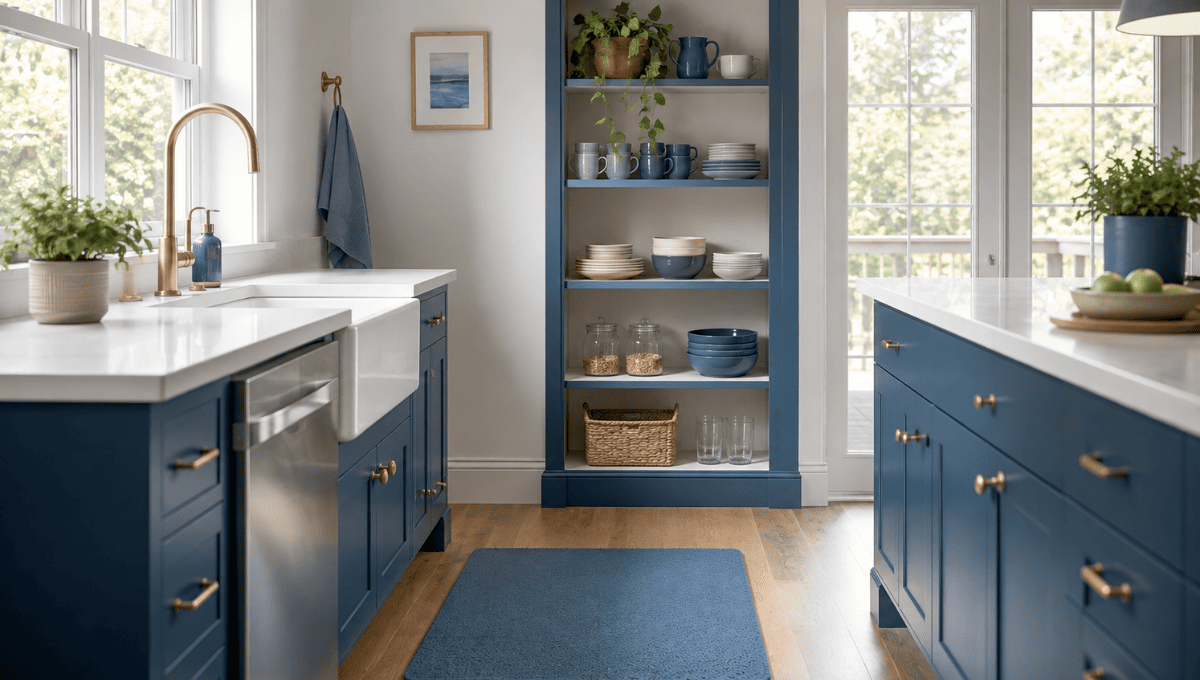
How to Make Your Home Safer After 50. After 50, our homes deserve a second look, not because we’re getting “old,” but because small hazards that never bothered us at 30 can quietly turn into real risks now. Reaction time changes, balance shifts, and our eyes adapt to light differently than they used to.
None of this means giving up independence. It means being a little more intentional about the space you live in every day. The good news is that most home safety upgrades are simple, affordable, and don’t require a renovation, just some awareness and a weekend afternoon.
This guide walks through the most common risk areas in a home, why they matter more after 50, and practical steps you can take room by room.
Why does fall risk change after 50?
Falls are the leading cause of injury for adults over 65, and the risk actually starts building years earlier than most people realize. According to the CDC, more than one in four older adults falls each year, though a large number of these falls go unreported because people feel embarrassed or assume it was “just clumsiness.”
Several factors contribute to this shift. Muscle strength and bone density naturally decline with age, which affects how quickly the body can catch itself during a stumble. Medications, including common ones for blood pressure, sleep, or allergies, can cause dizziness or slower reflexes as a side effect.
Vision changes, especially difficulty adjusting between bright and dark spaces, also play a major role. None of these changes happen overnight, which is exactly why prevention works best when it starts early, rather than after an accident has already occurred.
What are the most dangerous spots in a typical home?
Bathrooms, staircases, and poorly lit hallways consistently top the list of where falls happen. Wet tile, loose rugs, and low-contrast steps are common culprits that are easy to overlook because we walk past them every day without thinking twice.
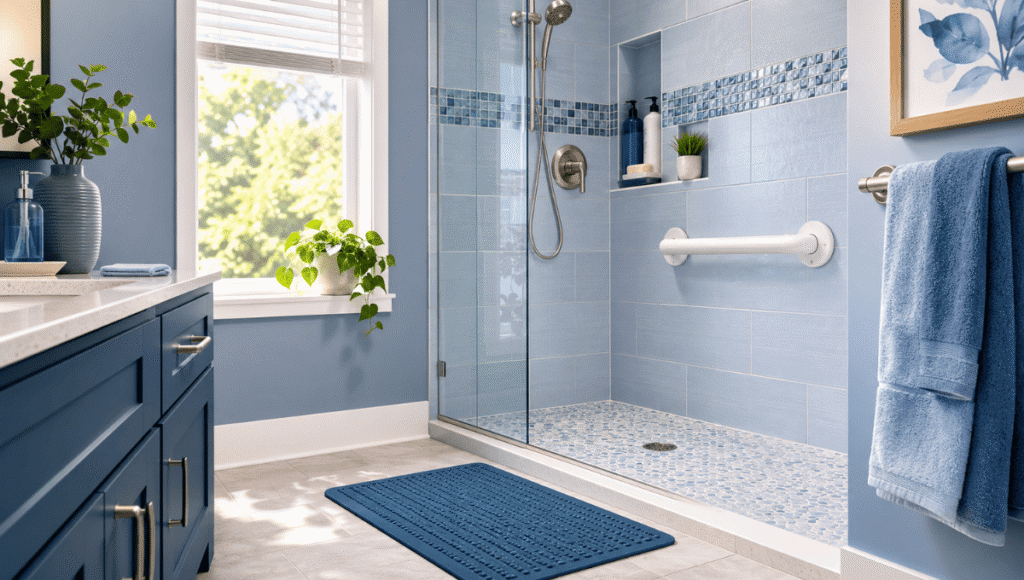
The Mayo Clinic recommends a few concrete changes for the bathroom specifically: installing grab bars near the toilet and inside the shower, using non-slip mats both inside and outside the tub, and keeping a nightlight along the path from the bedroom to the bathroom. These small additions dramatically reduce the two riskiest moments: stepping in and out of a wet shower and getting up at night while still half-asleep.
Staircases deserve their own attention too. Handrails should run the full length of the staircase on at least one side, ideally both. Worn carpet or loose stair treads should be repaired promptly, and the first and last steps, often the hardest to judge, benefit from a strip of contrasting, non-slip tape to make the edge more visible.
Do I really need to change my lighting?
Yes, and it matters more than most people expect. As we age, our eyes need significantly more light to see clearly, and they take longer to adjust when moving between bright and dark spaces, like walking from a sunny kitchen into a dim hallway.
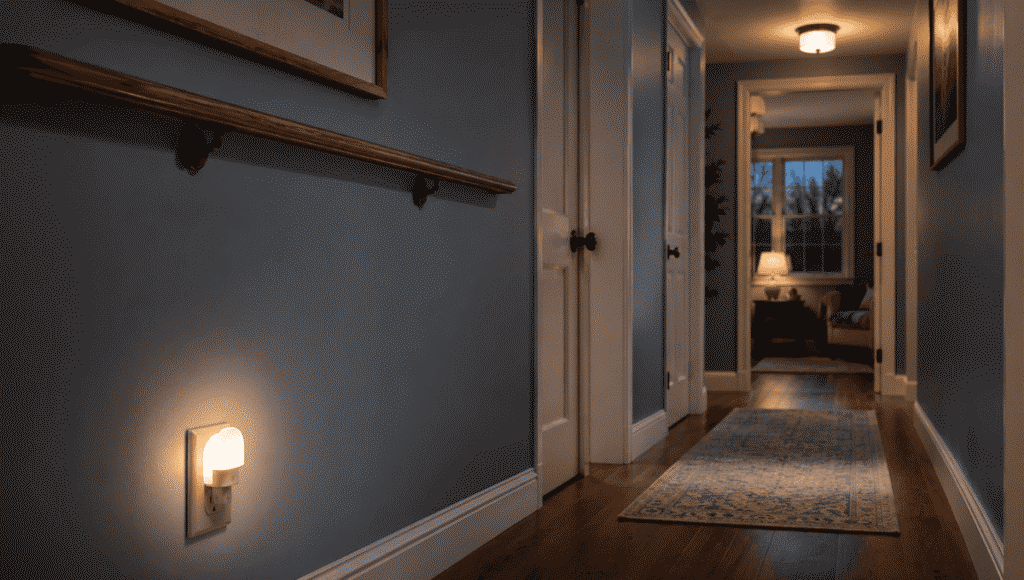
A few upgrades make a noticeable difference: brighter bulbs in hallways and stairwells, motion-sensor lights that turn on automatically when you enter a room, and a lamp or light switch within easy reach of the bed. Even a simple plug-in nightlight in the hallway can prevent a stumble during a 3 a.m. trip to the bathroom. Lighting is one of the cheapest upgrades on this list and often one of the most effective.
Read also – you might like: Frozen Shoulder After 50: What It Is and How Long It Lasts
Is decluttering actually a safety issue?
It’s easy to dismiss clutter as just a tidiness issue, but it’s genuinely a safety issue too. Loose cords, low furniture, stacks of magazines, or a favorite rug with curled-up edges are among the most common tripping hazards reported by the National Institute on Aging.
The tricky part is that we stop noticing these things once we’ve lived with them for a while. That’s why a deliberate walk-through room by room, ideally with a family member or friend who doesn’t live there, can be so useful.
A fresh set of eyes often spots hazards that have simply become invisible to us over time. Securing cords along baseboards, removing or taping down loose rugs, and keeping walking paths clear of furniture are quick fixes with an outsized impact.
How to Make Your Home Safer After 50: What about the kitchen?
The kitchen is another room where small changes add up. Reorganizing so that frequently used items, plates, mugs, and everyday pans sit at waist height means fewer trips up on a step stool, which is a surprisingly common source of falls. Anything that must be stored higher up should be reached with a sturdy step stool that has a handrail, never a chair or countertop.
Non-slip mats near the sink and stove help too, since these areas tend to stay damp or slightly greasy. If your kitchen floor gets slippery when wet, a textured mat placed strategically can prevent a fall during something as routine as washing dishes.
Does furniture placement matter?
More than you’d think. Furniture with sharp corners, low coffee tables, or pieces placed in high-traffic walkways all increase risk. It’s worth walking your main paths, bedroom to bathroom, living room to kitchen, and making sure nothing forces you to squeeze past or step over something. Stable, sturdy furniture near the ends of a couch or in hallways can also double as a discreet handhold if you need one.
Small changes, real protection
You don’t need to overhaul your entire home overnight, and you definitely don’t need an expensive renovation to make a real difference. Start with one room. Add one grab bar. Fix one loose rug. Install one motion-sensor light. Each small change compounds, and together they add up to a home that genuinely supports you instead of working against you.
Safety after 50 isn’t about giving something up; it’s about protecting the independence you’ve worked hard for so you can keep doing what you love for longer and with more confidence.
This article is for informational purposes only and is not a substitute for professional medical advice.

Lauren is the founder of PainFreeAfter50.com and a dedicated researcher in joint health and healthy aging. After developing chronic joint pain in her early 50s, she spent years reviewing clinical studies and testing natural approaches to find real solutions. Today she shares honest, evidence-based guidance to help adults over 50 manage pain, improve mobility, and reclaim their quality of life.

3 thoughts on “How to Make Your Home Safer After 50”