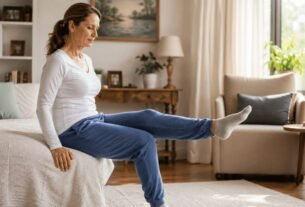
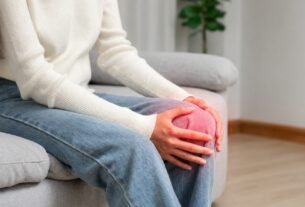
Why Do My Knees Hurt More After 50? If you’ve been asking yourself, “Why do my knees hurt more after 50?”, You’re definitely not alone. Knee pain becomes more common with age, especially during everyday activities like walking, standing, or climbing stairs. The good news? Understanding the cause is the first step to finding real relief.
What Causes Knee Pain After 50?
As you age, your joints naturally go through changes. The most common causes include:
Cartilage Wear (Osteoarthritis)
Over time, the protective cartilage in your knee starts to wear down. This leads to friction between bones, causing pain and stiffness.
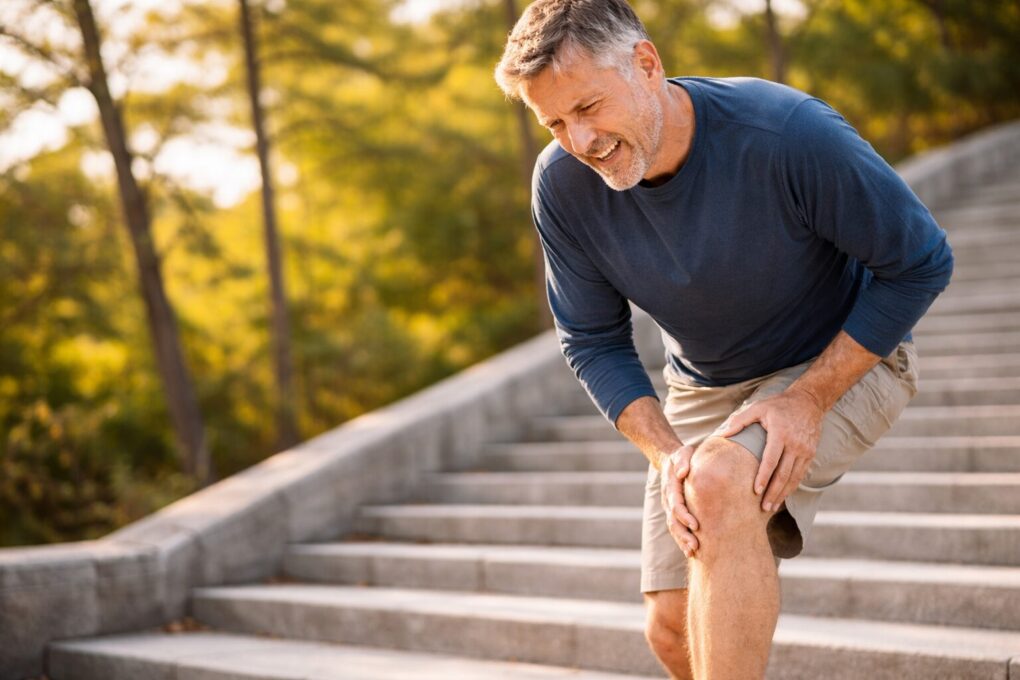
Muscle Weakness
Weak leg muscles put more pressure on your knee joint, especially when climbing stairs or standing up. If you feel pain during stairs, you might want to read this:
Read also: Knee Pain When Climbing Stairs Over 50
Inflammation
Inflammation can occur due to overuse, injury, or chronic conditions, making your knees feel swollen and painful.
Reduced Flexibility
Stiff joints limit movement and increase discomfort, especially in the morning or after sitting for long periods.
Common Symptoms
You may experience:
- Persistent knee pain
- Stiffness after rest
- Swelling
- Difficulty walking or bending
These symptoms tend to worsen if left untreated.
What You Can Do to Reduce Knee Pain
Stay Active (Even If It Feels Hard)
Low-impact activities help keep joints healthy:
- Walking
- Swimming
- Gentle stretching
Strengthen Your Legs
Strong muscles reduce stress on your knees.
Read also: How to Relieve Knee Pain at Home for Seniors
Simple exercises include:
- Chair squats
- Leg lifts
- Step-ups
Use Support When Needed
Knee braces or supports can help stabilize the joint and reduce pain during movement.
Consider Joint Support Supplements
Some supplements may help support joint health over time, such as:
- Glucosamine
- Collagen
- Chondroitin
When Should You Be Concerned?
Seek medical attention if:
- Pain becomes severe
- You notice significant swelling
- Your mobility is limited
Early care can prevent long-term damage.
Final Thoughts
Knee pain after 50 is common, but it’s not something you have to accept.
By understanding the causes and taking simple daily actions, you can reduce pain, improve mobility, and stay active longer.
Frequently asked questions: Why do my knees hurt more after 50?
Why do my knees hurt more as I get older?
As you age, the cartilage in your knees gradually wears down, muscles may weaken, and joints can become less flexible. These changes increase stress on the knee joint, leading to pain and stiffness.
Is knee pain after 50 always arthritis?
No, not always. While osteoarthritis is a common cause, knee pain can also result from muscle weakness, inflammation, overuse, or minor injuries.
What are the first signs of knee problems after 50?
Early signs include stiffness in the morning, discomfort when walking or climbing stairs, mild swelling, and a clicking or grinding sensation in the joint.
Can knee pain after 50 be reversed?
In many cases, symptoms can be improved or managed with exercise, weight control, and proper joint care. While some conditions are not fully reversible, pain and mobility can often be significantly improved.
What exercises are safe for knee pain after 50?
Low-impact exercises like walking, swimming, cycling, and gentle strength training (such as leg lifts and chair squats) are generally safe and beneficial.
Do supplements really help knee pain?
Some supplements, such as glucosamine, chondroitin, and collagen, may help support joint health over time, though results can vary from person to person.
When should I worry about knee pain?
You should seek medical attention if your pain is severe, persistent, worsens over time, or is accompanied by swelling, redness, or difficulty moving.

Lauren is the founder of PainFreeAfter50.com and a dedicated researcher in joint health and healthy aging. After developing chronic joint pain in her early 50s, she spent years reviewing clinical studies and testing natural approaches to find real solutions. Today she shares honest, evidence-based guidance to help adults over 50 manage pain, improve mobility, and reclaim their quality of life.