

Menopause is a natural stage of life, but for many women, the symptoms can feel anything but natural. Hot flashes, poor sleep, mood changes, brain fog, stubborn weight gain, and low energy often appear gradually, making everyday life more challenging than it used to be.
The good news is that you don’t have to simply “live with it.”
Lifestyle changes remain the foundation of menopause wellness, but many women also look for supplements that may help support their bodies during this transition. The challenge is that the market is flooded with products making bold promises, and it can be difficult to know which ingredients are actually worth considering.
In this guide, you’ll learn:
- What happens to your body during menopause
- Which nutrients and natural ingredients have been studied
- How to choose a high-quality menopause supplement
- Common mistakes to avoid
- Whether mushroom-based formulas like Menovelle may be worth considering as part of an overall wellness routine
Let’s begin by understanding why menopause symptoms happen in the first place.
Quick Answer
What Is the Best Menopause Supplement for Women Over 50?
There isn’t one supplement that works best for everyone. The most effective menopause supplement depends on your symptoms, overall health, and lifestyle.
Many experts recommend looking for products that combine evidence-informed ingredients with healthy habits such as regular exercise, balanced nutrition, stress management, and quality sleep.
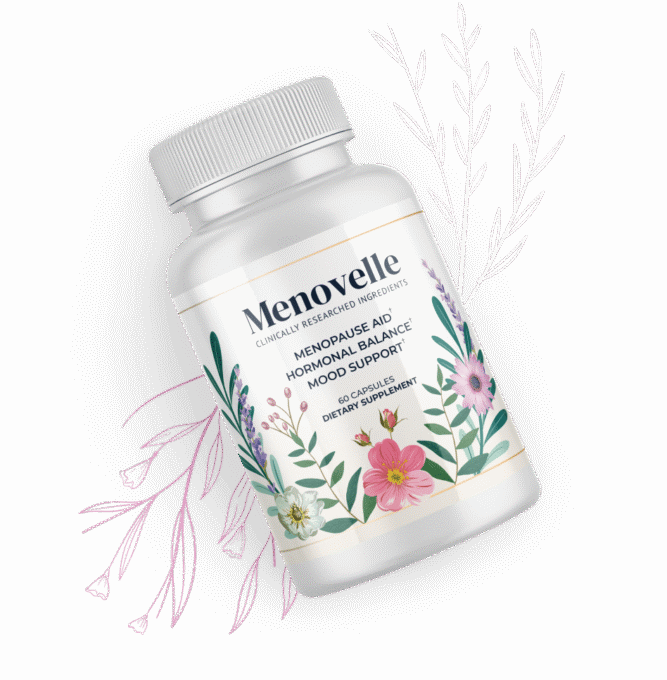
Supplements containing adaptogenic mushrooms, plant compounds, vitamins, or minerals may help support overall well-being during menopause, although responses vary from person to person and more research is ongoing for many ingredients.
Why Menopause Symptoms Become Stronger After 50
Menopause officially occurs after twelve consecutive months without a menstrual period. By this time, estrogen and progesterone levels have declined significantly.
These hormonal changes affect nearly every system in the body.
Many women notice:
- Frequent hot flashes
- Night sweats
- Sleep disturbances
- Mood swings
- Brain fog
- Reduced energy
- Joint discomfort
- Slower metabolism
- Increased abdominal fat
- Reduced muscle mass
- Changes in skin and hair
Because estrogen receptors exist throughout the body, including the brain, bones, cardiovascular system, skin, and muscles, declining estrogen can have wide-ranging effects.
This explains why menopause isn’t just about reproductive health. It influences many aspects of physical and emotional well-being.
Why Lifestyle Alone Sometimes Isn’t Enough
Healthy habits remain the most important strategy for managing menopause. These include:
- Strength training
- Daily walking
- Eating enough protein
- Getting quality sleep
- Managing stress
- Staying socially active
However, many women find that despite making these positive changes, symptoms such as fatigue, poor concentration, or hot flashes may still persist.
This is one reason why menopause supplements have become increasingly popular. Rather than replacing healthy habits, they are generally intended to complement them.
The key is choosing products with transparent ingredient lists, realistic claims, and formulations that align with your specific needs.
What Science Says About Menopause Supplements
Scientific evidence suggests that no single supplement can eliminate every menopause symptom.
However, research indicates that certain nutrients and plant-based compounds may support aspects of health commonly affected during menopause, including sleep quality, stress resilience, cognitive function, and overall well-being. The strength of evidence varies depending on the ingredient, and results differ between individuals.
When evaluating a supplement, it is helpful to consider the following:
- Whether the ingredient has been studied in humans
- The amount included in the formula
- The manufacturer’s transparency
- Product quality and manufacturing standards
- Realistic expectations rather than miracle claims
Understanding these factors can help you make more informed decisions.
Ingredients Worth Knowing
One of the biggest mistakes consumers make is focusing only on the brand name instead of examining the ingredient list. Quality supplements are built around the ingredients, not clever marketing.
One formulation that has attracted attention is Menovelle, which features a blend of functional mushrooms traditionally used to support overall wellness.
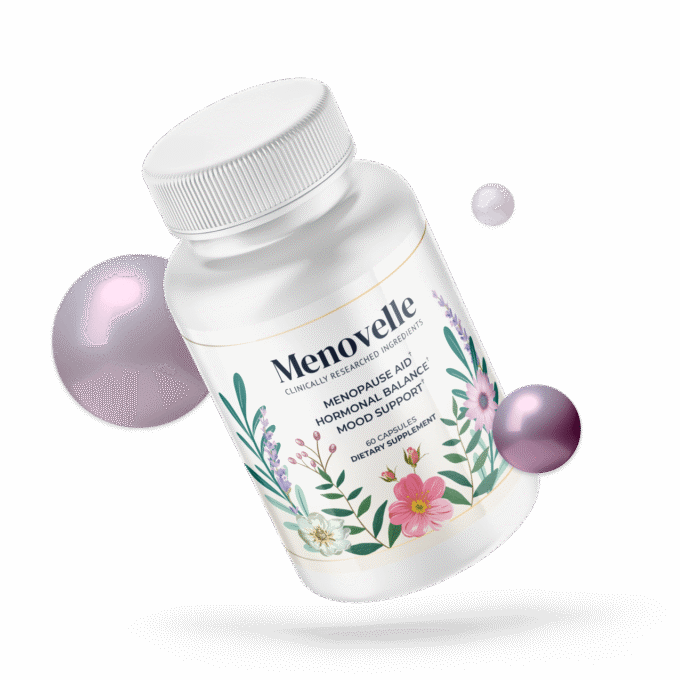
Some of its featured ingredients include:
Reishi
Traditionally used to support relaxation, stress management, and immune function. Early research suggests it may help promote overall well-being, though more studies specifically involving menopause are needed.
Lion’s Mane
Widely studied for its potential role in supporting cognitive health, memory, and mental clarity. Many women experiencing menopause-related brain fog are interested in this ingredient because of its effects on nervous system function.
Cordyceps
Known for its traditional use in supporting energy production and physical performance. Some preliminary studies suggest it may help reduce feelings of fatigue.
Chaga
Rich in naturally occurring antioxidants that help protect cells from oxidative stress.
Turkey Tail
Contains naturally occurring compounds that have been studied for immune system support.
Maitake
Traditionally used to support metabolic health and overall wellness. Although these ingredients have been studied individually to varying degrees, more research is needed to understand how specific blends affect menopause symptoms. Supplements should be viewed as one part of a broader health strategy rather than a standalone solution.

How to Choose the Best Menopause Supplement
Walking into a pharmacy or browsing online can feel overwhelming. Hundreds of products claim to be the “best” solution for menopause, but many rely on marketing rather than solid evidence. Instead of focusing on flashy promises, use the following checklist when comparing supplements.
1. Look for Transparent Ingredient Labels
A trustworthy supplement clearly lists every ingredient and its amount. Avoid products that hide ingredients behind vague “proprietary blends” without explaining how much of each component is included. Transparency allows you and your healthcare provider to understand exactly what you’re taking.
2. Choose Evidence-Informed Ingredients
No supplement can stop menopause, but some ingredients have been studied for their potential role in supporting areas commonly affected during this life stage. Depending on your symptoms, you may look for ingredients associated with:
- Cognitive support
- Stress management
- Sleep quality
- Energy production
- Antioxidant activity
- Bone health
- Muscle health
- Overall wellness
Remember that “natural” does not automatically mean “effective.” It’s worth checking whether an ingredient has at least some human research behind it.
Fish Oil vs. Glucosamine: Which Is Better for Seniors?
Joint Genesis Review: Does This Supplement Really Help Joint Pain After 50?
3. Prioritize Quality Manufacturing
Quality matters just as much as the ingredients. Look for supplements manufactured in facilities that follow Good Manufacturing Practices (GMP). Many reputable companies also state that their facilities are registered with the U.S. FDA, although it’s important to understand that the FDA does not approve dietary supplements before they are sold. Independent third-party testing can also be a positive sign of quality control.
4. Avoid Miracle Claims
Be cautious if a product claims to
- Cure menopause
- Permanently balance hormones
- Melt belly fat effortlessly
- Eliminate hot flashes overnight
- Reverse aging
Menopause is a natural biological transition, not a disease that can be cured. Reliable companies typically describe supplements as supporting overall health rather than making unrealistic promises.
5. Consider Your Main Symptoms
The best supplement for one woman may not be the best for another. For example:
| Symptom | Ingredients often explored in research* |
|---|---|
| Brain fog | Lion’s Mane, B vitamins |
| Low energy | Cordyceps, iron (if deficient), B12 |
| Sleep issues | Magnesium, Reishi |
| Stress | Adaptogens, mindfulness, sleep hygiene |
| Bone health | Calcium, Vitamin D, Vitamin K |
| Muscle support | Protein, Vitamin D, resistance training |
*Research quality varies by ingredient, and responses differ between individuals.
Common Mistakes Women Make When Buying Menopause Supplements
Many women spend hundreds of dollars on products that aren’t a good fit simply because they fall for persuasive advertising. Here are some common mistakes to avoid.
Buying Based on Reviews Alone
Online reviews can be helpful, but they don’t replace scientific evidence or professional medical advice. Individual experiences vary widely.
Ignoring Lifestyle Factors
No supplement can compensate for the following:
- Chronic sleep deprivation
- A sedentary lifestyle
- Poor nutrition
- High stress
- Smoking
- Excess alcohol consumption
The strongest results usually come from combining healthy habits with targeted nutritional support.
Expecting Instant Results
Many supplements require consistent use before any potential benefits become noticeable. Depending on the product and the individual, this may take several weeks. Patience and realistic expectations are essential.
Taking Multiple Supplements Without Guidance
It’s common for women to combine several products without realizing that ingredients may overlap. For example, taking multiple supplements containing high amounts of vitamin D or magnesium may not always be appropriate.
Always review your supplement routine with a healthcare professional, especially if you take prescription medications or have existing medical conditions.
Functional Mushrooms and Menopause: Why They’re Gaining Attention
Functional mushrooms have been used in traditional practices for centuries, particularly in parts of Asia. More recently, researchers have begun studying their potential role in supporting general health.
Although research specifically focused on menopause is still emerging, some mushrooms have shown promising properties related to areas that concern many women after 50.
Reishi
Reishi is often described as an adaptogenic mushroom, meaning it may help the body respond to stress. Preliminary studies suggest it may support:
- Relaxation
- Sleep quality
- Immune function
- Overall well-being
More high-quality clinical trials are still needed.
Lion’s Mane
Among functional mushrooms, Lion’s Mane has received considerable attention for its potential effects on cognitive health. Researchers have investigated its role in supporting:
- Memory
- Focus
- Mental clarity
- Nervous system health
Since many women experience brain fog during menopause, Lion’s Mane has become a popular ingredient in wellness supplements.
Cordyceps
Cordyceps has traditionally been used to support stamina and physical performance. Some early studies suggest it may help support energy metabolism, though evidence remains limited.
Chaga
Chaga contains naturally occurring antioxidant compounds that help protect cells from oxidative stress. Antioxidants play an important role in maintaining overall health as we age.
Turkey Tail
Turkey Tail is rich in naturally occurring polysaccharides that have been studied for immune system support. Although it isn’t specifically a menopause ingredient, maintaining immune health becomes increasingly important with age.
Maitake
Maitake has been investigated for its potential role in metabolic health and immune function. Research is ongoing, but it remains one of the better-known functional mushrooms used in dietary supplements.
A Closer Look at Menovelle
Among newer menopause supplements, Menovelle stands out because it takes a different approach than many traditional formulas.
Instead of focusing primarily on vitamins or phytoestrogens, it combines several functional mushrooms traditionally used to support overall wellness. According to the manufacturer, the formula includes:
- Reishi
- Lion’s Mane
- Cordyceps
- Chaga
- Turkey Tail
- Maitake
The product is marketed as supporting overall wellness during menopause, rather than as a treatment or cure. Potential areas of support highlighted by the manufacturer include:
- Mental clarity
- Daily energy
- Stress resilience
- Overall vitality
- General well-being
As with any dietary supplement, individual responses vary, and the product should be considered alongside healthy lifestyle habits, not as a replacement for them.
Who May Consider a Menopause Supplement?
A menopause supplement may be worth discussing with your healthcare provider if you:
- Are over 45 and experiencing menopause symptoms.
- Want additional nutritional support alongside healthy lifestyle habits.
- Prefer a non-hormonal wellness approach.
- Are looking for ingredients traditionally used to support stress, cognition, or energy.
However, supplements are not appropriate for everyone.
If you are pregnant, breastfeeding, have a serious medical condition, or take prescription medications, seek medical advice before starting any new supplement.
Lifestyle Still Comes First
Even the highest-quality supplement cannot replace healthy daily habits.
For the best long-term results, prioritize:
- Strength training at least twice per week.
- A protein-rich diet.
- Plenty of fruits and vegetables.
- Regular physical activity.
- Good sleep habits.
- Stress management.
- Staying socially connected.
Think of supplements as one tool within a broader wellness strategy, not the entire strategy.
What Do Experts Recommend?
Health organizations such as the North American Menopause Society (NAMS) and the Office on Women’s Health (U.S. Department of Health & Human Services) agree on one important point:
There is no single “best” menopause treatment for every woman.
The most effective approach depends on several factors, including:
- Your age
- The severity of your symptoms
- Your overall health
- Your medical history
- Your personal preferences
For some women, hormone therapy may be appropriate under medical supervision. For others, lifestyle changes, nutritional support, or non-hormonal options may be preferred.
Regardless of the approach, experts consistently recommend building a strong foundation with healthy habits before relying on supplements alone.
Key recommendations include:
- Eat a balanced diet rich in whole foods.
- Consume adequate protein to help maintain muscle mass.
- Perform regular strength training and weight-bearing exercise.
- Prioritize sleep and stress management.
- Stay physically active throughout the day.
- Discuss supplements with a qualified healthcare professional, especially if you have chronic health conditions or take prescription medications.
Supplements may be a useful addition to these habits, but they are not a substitute for them.

Is Menovelle Worth Considering?
If you’re looking for a non-hormonal supplement that focuses on overall wellness during menopause, Menovelle is one option worth exploring.
Rather than relying on a single ingredient, it combines several functional mushrooms that have been studied for their potential roles in supporting the following:
- Cognitive function
- Energy
- Stress resilience
- Immune health
- General well-being
While research on functional mushrooms is growing, it’s important to recognize that studies specifically evaluating menopause outcomes are still limited. More high-quality clinical trials are needed.
For that reason, it’s best to view Menovelle as a wellness supplement designed to complement healthy lifestyle habits—not as a cure for menopause.
If you’d like to learn more about the ingredients, recommended use, and current offers, you can visit the manufacturer’s official website.
Affiliate Disclosure: This article may contain affiliate links. If you purchase through one of these links, we may earn a small commission at no additional cost to you. We only recommend products that align with the purpose of this website and encourage readers to make informed decisions.
Frequently Asked Questions
What is the best menopause supplement for women over 50?
There isn’t one supplement that works for everyone. The best choice depends on your symptoms, medical history, and lifestyle. Look for products with transparent ingredients and realistic claims.
Can supplements stop menopause?
No. Menopause is a natural stage of life and cannot be stopped or cured. Supplements are intended to support overall health and well-being during this transition.
Are functional mushrooms safe?
Many functional mushrooms have been consumed traditionally for centuries and are generally well tolerated by healthy adults. However, they may interact with certain medications or medical conditions, so it’s best to consult your healthcare provider before starting any new supplement.
How long does it take for menopause supplements to work?
It varies. Some women notice changes within a few weeks, while others may require several months of consistent use. Individual responses differ.
Do menopause supplements help with hot flashes?
Some ingredients are being studied for their potential to support women experiencing hot flashes, but no dietary supplement can guarantee symptom relief.
Can menopause supplements help with brain fog?
Certain ingredients, including Lion’s Mane, have been investigated for their potential role in supporting cognitive function. However, more research is needed, particularly in menopausal women.
Can supplements replace hormone therapy?
No. Hormone therapy and dietary supplements serve different purposes. The best option depends on your individual health needs and should be discussed with your healthcare provider.
Is Menovelle a hormone replacement therapy?
No. Menovelle is marketed as a dietary supplement and is not a hormone replacement therapy.
Should I take menopause supplements every day?
Follow the manufacturer’s directions and consult your healthcare provider if you have questions about long-term use.
Final Thoughts
Menopause is a significant life transition, but it doesn’t have to define how you feel every day. Although symptoms such as hot flashes, fatigue, brain fog, and sleep disturbances are common, many women find that a combination of healthy lifestyle habits and appropriate nutritional support helps them navigate this stage with greater confidence.
When choosing a supplement, focus on transparency, quality, and realistic expectations rather than bold marketing claims. Products such as Menovelle, which combine functional mushrooms traditionally associated with cognitive support, stress resilience, and overall wellness, may be an option for women seeking a non-hormonal approach. However, no supplement should replace medical advice or a healthy lifestyle.
The goal isn’t to find a miracle solution, it’s to create sustainable habits that support your well-being for years to come.

Lauren is the founder of PainFreeAfter50.com and a dedicated researcher in joint health and healthy aging. After developing chronic joint pain in her early 50s, she spent years reviewing clinical studies and testing natural approaches to find real solutions. Today she shares honest, evidence-based guidance to help adults over 50 manage pain, improve mobility, and reclaim their quality of life.



2 thoughts on “Best Menopause Supplement for Women Over 50 (Complete Guide)”