

If you’ve been waking up with numb, tingling fingers or struggling to open a jar, you’re not alone. Many adults over 50 face this same confusing question: is it carpal tunnel syndrome vs. arthritis?
Both conditions cause hand pain and stiffness, but they come from very different sources and need different treatments. Getting the right diagnosis matters, because treating the wrong condition can leave you in pain longer than necessary. In this guide, we’ll break down the symptoms, causes, and solutions for each condition so you can have a more informed conversation with your doctor.
What Science Says About Hand Pain After 50
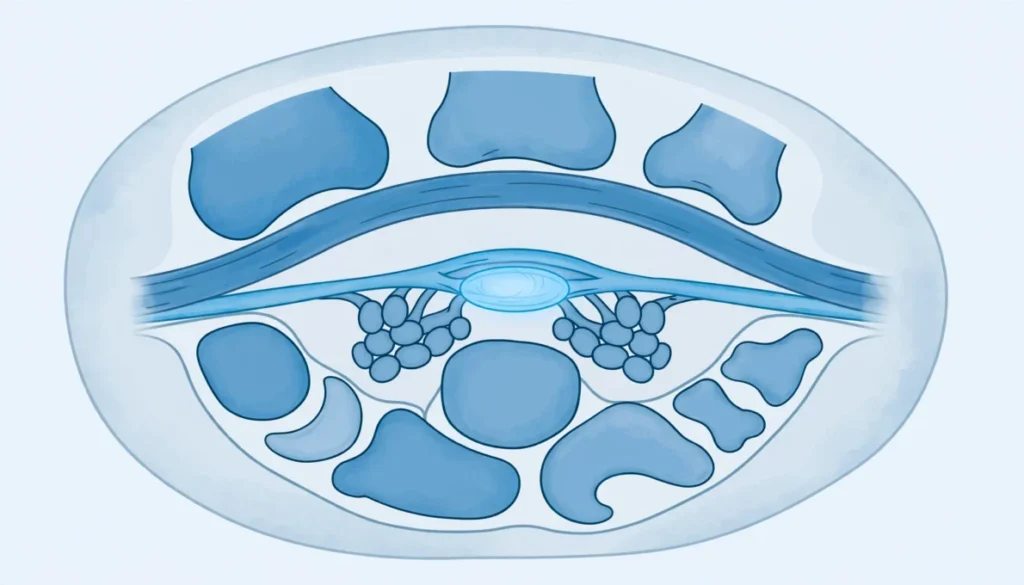
Hand pain becomes more common as we age, but it doesn’t always come from the same source. Carpal tunnel syndrome happens when the median nerve, which runs from your forearm into your hand, gets compressed at the wrist.
According to the Mayo Clinic, this compression often results from repetitive hand movements, wrist anatomy, or health conditions like diabetes and thyroid problems.
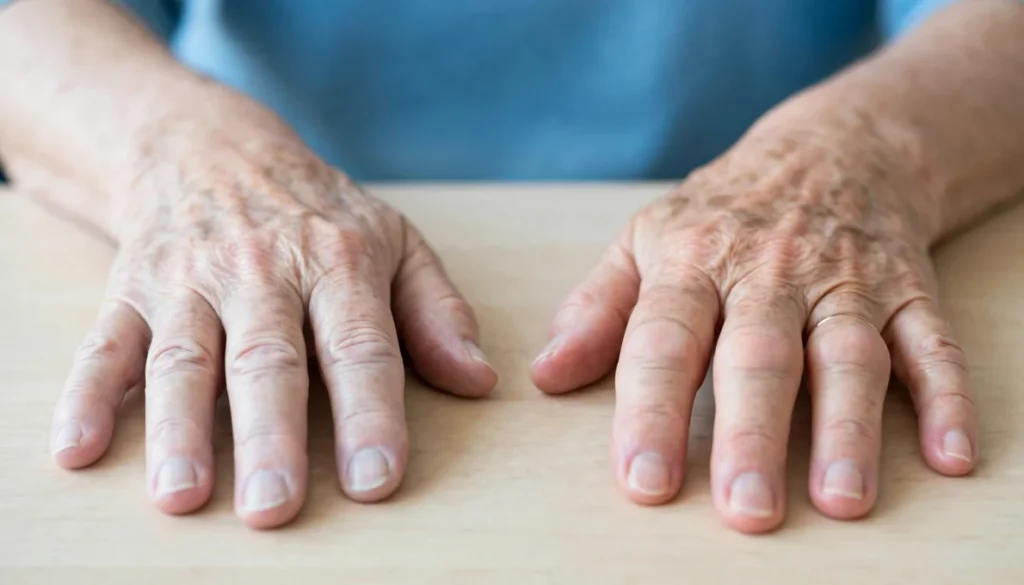
Arthritis, on the other hand, is a broader term covering more than 100 conditions that affect the joints. The most common type in older adults is osteoarthritis, which the National Institutes of Health describes as a breakdown of the cartilage that cushions your joints over time.
Rheumatoid arthritis, a less common but more aggressive form, is an autoimmune condition where the body’s immune system mistakenly attacks joint tissue.
Based on common experiences among adults over 50, hand and wrist discomfort is often assumed to be “just arthritis.” However, research published in clinical journals like JAMA has noted that nerve compression conditions such as carpal tunnel syndrome are frequently misdiagnosed as arthritis because the symptoms can overlap, especially in the early stages.
Recognizing the Signs: Practical Insights From Real Experiences
Carpal Tunnel Syndrome vs. Many of our readers report that the hardest part of dealing with hand pain is figuring out exactly what it is. Here’s what tends to set the two conditions apart.
Carpal Tunnel Syndrome symptoms typically include:
- Numbness or tingling in the thumb, index, and middle fingers
- A sensation often described as your hand “falling asleep,” especially at night
- Weakness when gripping objects, like a coffee cup or steering wheel
- Symptoms that improve when you shake out your hand
Arthritis symptoms typically include:
- Joint pain that worsens with activity and eases with rest
- Stiffness, especially first thing in the morning, lasting 30 minutes or more
- Visible swelling, redness, or warmth around the joints
- Pain in multiple joints, not just the wrist and fingers
One pattern we hear often from readers over 50 is that carpal tunnel syndrome tends to cause more numbness and tingling, while arthritis tends to cause more aching and stiffness. That said, both conditions can occur together, which is part of why a proper medical evaluation is so important.
Read also – you might like: Frozen Shoulder After 50: What It Is and How Long It Lasts
Practical Tips for Managing Symptoms at Home
While a doctor’s diagnosis is essential, there are steps you can take at home to ease discomfort while you figure out next steps.
For suspected carpal tunnel syndrome:
- Wear a wrist splint at night to keep your wrist in a neutral position.
- Take frequent breaks from repetitive tasks like typing, knitting, or gardening.
- Try gentle wrist stretches throughout the day to reduce nerve pressure.
- Adjust your workstation so your wrists aren’t bent while typing or using a mouse.
For suspected arthritis:
- Apply heat in the morning to loosen stiff joints and cold after activity to reduce swelling.
- Stay active with low-impact movement like swimming or walking, since gentle motion helps keep joints flexible.
- Consider supportive tools like jar openers or ergonomic kitchen tools to reduce joint strain.
- Maintain a healthy weight, as extra weight adds pressure to weight-bearing joints.
Based on common experiences among adults over 50, small daily adjustments like these often make a noticeable difference within a few weeks. However, they are not a substitute for medical treatment, especially if symptoms are getting worse.
What Experts Recommend
Medical professionals generally recommend seeing a doctor if hand pain, numbness, or stiffness lasts more than a few weeks or begins interfering with daily activities. The Mayo Clinic notes that early diagnosis of Carpal Tunnel Syndrome can prevent permanent nerve damage, while early management of arthritis can help preserve joint function over time.
A doctor may use several tools to reach a diagnosis, including:
- A physical exam checking for numbness, weakness, and grip strength
- Nerve conduction studies to measure how well the median nerve is functioning
- X-rays or blood tests to check for joint damage or inflammatory markers associated with arthritis
Harvard Health has noted that treatment approaches differ significantly between the two conditions. Carpal Tunnel Syndrome may be treated with splinting, corticosteroid injections, or in more severe cases, a minor surgical procedure to relieve pressure on the nerve. Arthritis treatment often centers on anti-inflammatory medications, physical therapy, and lifestyle changes, with disease-modifying drugs used for rheumatoid arthritis specifically.
Experts also emphasize that these conditions aren’t mutually exclusive. It’s entirely possible to have both Carpal Tunnel Syndrome and arthritis at the same time, which is another reason a professional evaluation is so valuable rather than relying on guesswork.
Conclusion
Understanding the difference between carpal tunnel syndrome vs. arthritis can help you seek the right treatment sooner and avoid unnecessary discomfort. While carpal tunnel syndrome tends to bring numbness and tingling from nerve compression, arthritis usually involves joint stiffness and swelling from cartilage or immune-related changes.
If you’re experiencing ongoing hand pain, don’t wait it out. Talk to your doctor about your symptoms so you can get an accurate diagnosis and start feeling better in your hands again.
Medical Disclaimer
This article is for informational purposes only and is not intended as medical advice. Always consult a qualified healthcare provider for diagnosis and treatment of any medical condition. This post may contain affiliate links, meaning we may earn a small commission at no extra cost to you if you choose to purchase through them.

Lauren is the founder of PainFreeAfter50.com and a dedicated researcher in joint health and healthy aging. After developing chronic joint pain in her early 50s, she spent years reviewing clinical studies and testing natural approaches to find real solutions. Today she shares honest, evidence-based guidance to help adults over 50 manage pain, improve mobility, and reclaim their quality of life.



6 thoughts on “Carpal Tunnel Syndrome vs. Arthritis: How to Tell the Difference”