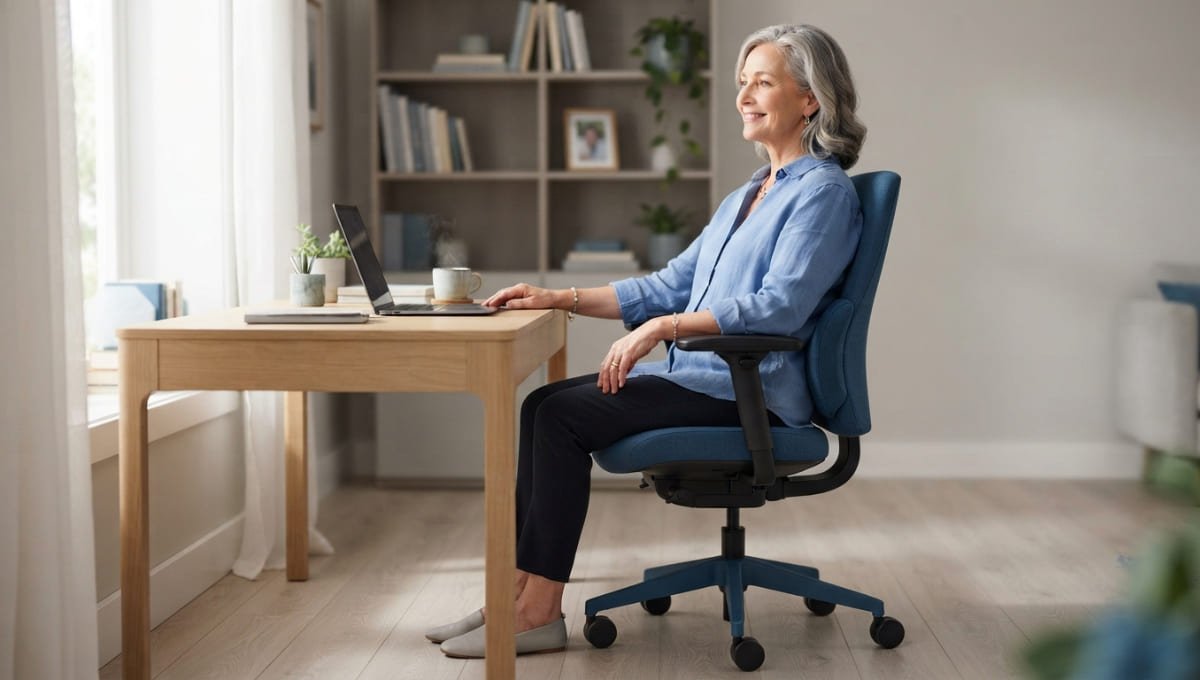
If you’ve spent any part of today wincing as you stood up from a chair, you’re not alone. Many of our readers over 50 tell us that finding the best chairs for lower back pain feels like searching for a needle in a haystack.
Between office chairs that promise the world and recliners that leave you stiffer than before, it’s easy to feel discouraged. The good news is that the right seat, paired with a few simple habits, can make a real difference.
In this guide, we’ll walk through what the research says, what actually helps in daily life, and what physical therapists and spine specialists recommend for lasting comfort.
Best Chairs for Lower Back Pain: What Science Says About Sitting and Lower Back Pain
Sitting puts more pressure on your spinal discs than standing does. According to researchers who have studied posture in older adults, poor sitting posture is associated with chronic low back pain, and this connection becomes more pronounced with age. ScienceDirect
Harvard Health has pointed out that older adults typically spend 65% to 80% of their waking hours sitting, and all that stillness comes with a cost.
One often-overlooked cause of seated discomfort is what researchers informally call “gluteal amnesia,” weakened gluteal muscles that fail to properly stabilize the pelvis, leading to pain that many people mistake for a back problem alone. Harvard HealthHarvard Health
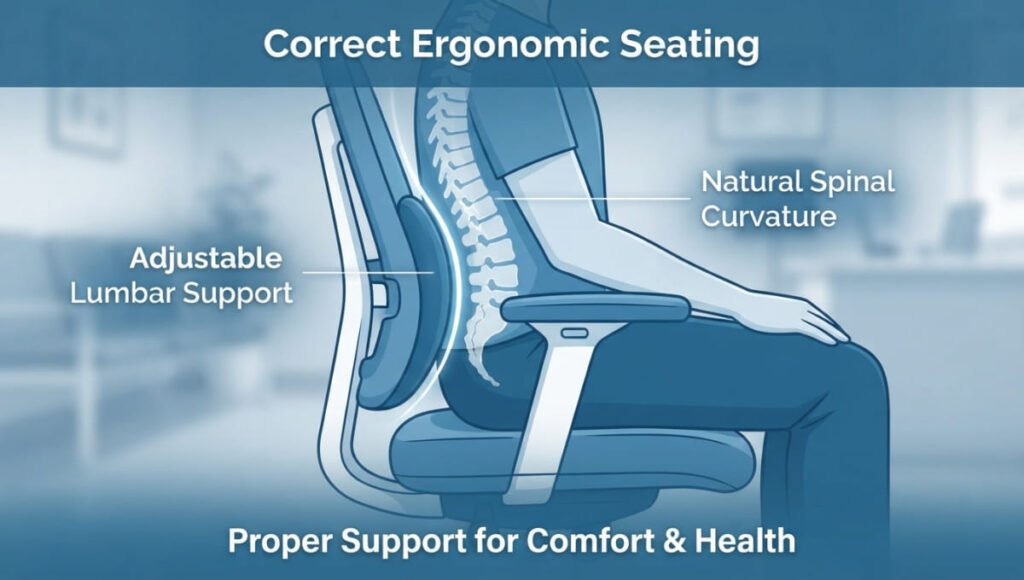
Mayo Clinic explains that the lower spine has a natural inward curve, and sitting for long stretches without support for that curve encourages slouching, which flattens the curve and strains the lower back. This is exactly why a chair without proper lumbar support can quietly undo hours of good posture habits. Spine health
Research also confirms that low back pain is one of the most common conditions affecting older adults, with an estimated 17 million older adults in the U.S. experiencing at least one episode of low back pain each year. In other words, if this feels like a widespread problem, it is.
Sciatica After 50: Symptoms, Causes, and Relief That Actually Works
How to Create a Relaxing Reading Corner
What Makes a Chair Actually Supportive (Based on Real-World Experience)
Based on common experiences among adults over 50, the chairs that provide the most relief tend to share a few features. Here’s what to look for:
1. Adjustable lumbar support. Not just a curved backrest, but a lumbar section you can move up, down, or in and out to match your own spine. Mayo Clinic recommends choosing a chair that supports the spine and, if needed, using a cushion in the small of the back to add lumbar support.
2. Proper seat height. Your feet should rest flat on the floor with your knees roughly level with your hips. If your chair is too high or too low, a footrest can help keep your knees at the correct angle. Mayo Clinic Health System
3. A slight recline. Many spine specialists point out that sitting perfectly upright all day isn’t ideal either. A gentle recline between 100 and 110 degrees can ease pressure on the discs compared with sitting bolt upright.
4. Supportive armrests. These should let your shoulders relax rather than hunch up toward your ears, which reduces strain that can radiate down into the lower back.
Many of our readers report that switching to a chair with these four features even without buying anything expensive, made a noticeable difference within the first week.
Practical Tips for Choosing (and Using) Your Chair
Finding a good chair is only half the equation. How you use it matters just as much.
- Test before you buy. Sit in a chair for at least 10 minutes in the store or before your return window closes. Back pain often builds slowly, so a quick sit-down isn’t enough to judge comfort.
- Add a lumbar cushion if needed. Even a well-designed chair may not perfectly match your spine’s curve. A small rolled towel or lumbar pillow placed at the small of your back is a low-cost fix.
- Avoid soft, sinking chairs. Overly plush recliners and sofas may feel comfortable at first but often lack the structure needed to support your lower back over time.
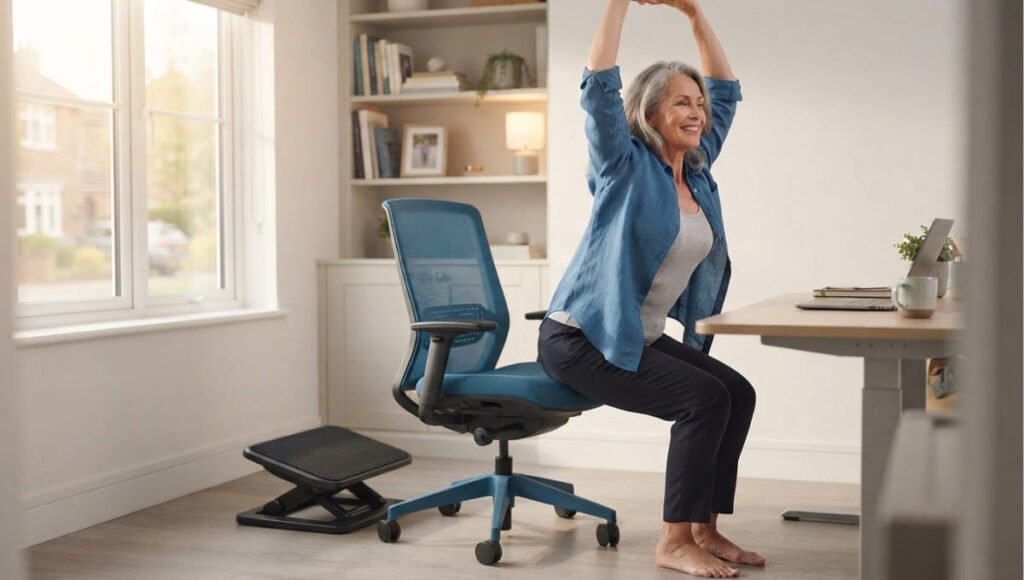
- Move often. Mayo Clinic Health System’s ergonomics guidance and other sources consistently recommend standing, stretching, or walking for a minute or two every 20 to 30 minutes, no matter how supportive your chair is.
- Pair your chair with a footrest if your feet don’t comfortably reach the floor; this small addition can meaningfully reduce pressure on your lower spine.
What Experts Recommend for Lower Back Pain Relief
Medical guidance is consistent on a few key points. Mayo Clinic notes that for back pain relief, a proper ergonomic chair is generally a better choice than a fitness ball for regular seated work, since balancing on a ball for hours can actually increase fatigue and discomfort rather than easing it. MyMLC
Spine specialists also emphasize that no chair, no matter how supportive, makes prolonged static sitting good for your back, and staying in one position too long is a common contributor to spinal issues like degenerative disc disease. This is why experts frame the “best chair” as one piece of a larger approach that includes movement, stretching, and posture awareness throughout the day.
For adults managing ongoing back pain, medical literature also points to a broader picture: Low back pain is one of the leading disabling health conditions among older adults, and management typically works best when it combines proper seating with movement, strength work, and, when needed, guidance from a physical therapist or physician.
If your back pain is severe, sudden, or accompanied by numbness, weakness, or pain radiating down your leg, experts recommend seeing a doctor rather than relying on a chair alone to solve the problem.
Conclusion: Best Chairs for Lower Back Pain. Choosing the best chairs for lower back pain isn’t about finding one perfect product; it’s about matching a chair’s support to your own body and combining it with smart daily habits like movement breaks and good posture.
Adjustable lumbar support, correct seat height, and a slight recline are the features that matter most, according to both research and real-world experience among adults over 50.
If you’ve been putting off replacing your chair, consider this your gentle nudge: your back will likely thank you within just a week or two of using proper support.
Medical Disclaimer: This article is for informational purposes only and is not a substitute for professional medical advice, diagnosis, or treatment. Always consult your doctor or a qualified healthcare provider regarding any back pain or health concerns. This post may contain affiliate links, meaning we may earn a small commission at no extra cost to you if you make a purchase through them.

Lauren is the founder of PainFreeAfter50.com and a dedicated researcher in joint health and healthy aging. After developing chronic joint pain in her early 50s, she spent years reviewing clinical studies and testing natural approaches to find real solutions. Today she shares honest, evidence-based guidance to help adults over 50 manage pain, improve mobility, and reclaim their quality of life.