bathroom safety upgrades. The bathroom is small, tiled, and full of water, which makes it one of the riskiest rooms in the entire house once you pass 50. It’s not dramatic to say so. It’s just data. Falls are the leading cause of injury among adults over 65, and more than one in four older adults falls every year, according to the CDC. About one in five of those falls causes a serious injury, like a fracture or a head injury.
The bathroom plays an outsized role in that story. In its review of emergency department data, the CDC identified over 230,000 nonfatal bathroom injuries a year among people 15 and older, and roughly two out of three of those happened in or around the tub or shower. Adults 65 and up were hospitalized after a bathroom injury at more than four times the rate of younger adults.
The good news: almost none of this requires a full remodel. Most of the upgrades below cost under $50, take an afternoon, and don’t require hiring anyone. Let’s go through them room-corner by room-corner.
Why Is the Bathroom So Dangerous After 50?
Three things collide in a bathroom that don’t collide anywhere else in the house: hard surfaces, standing water, and tight turning space. Add in the natural changes that come with age, slower reflexes, reduced night vision, medications that affect balance, joints that don’t pivot the way they used to, and a room that felt perfectly safe at 35 starts working against you at 55 or 65.
It’s also a room people tend to use half-asleep, in the dark, in a hurry, or right after waking up from a nap, exactly the conditions where a moment of unsteadiness turns into a fall. None of that means you need to be afraid of your own bathroom. It means the room deserves a few targeted upgrades that most homes simply don’t have yet.
Bathroom safety upgrades: Do Non-Slip Mats Actually Make a Difference?
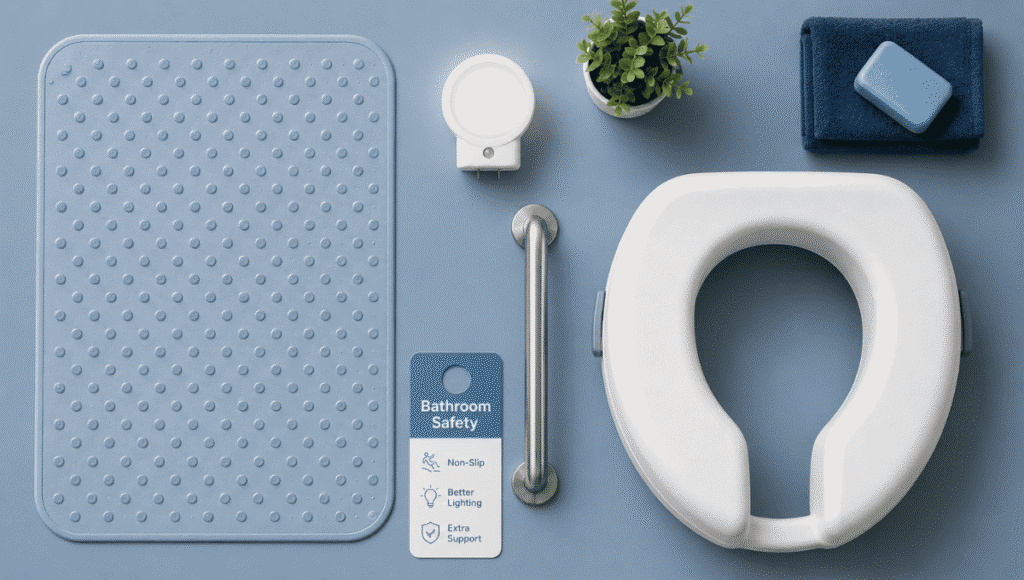
Yes, but only the right kind. A decorative bath mat with a rubber-less backing can itself become a slipping hazard, sliding out from under you the moment you step on it. Look for mats with a suction-grip or non-slip rubber base, and place one directly outside the shower or tub, plus one in front of the sink if the floor there gets wet.
Inside the tub or shower itself, a textured non-slip mat or a set of adhesive non-slip strips applied directly to the tub floor is one of the single cheapest, fastest safety upgrades you can make, often under $15, and no tools required.
Where Should Grab Bars Actually Go?
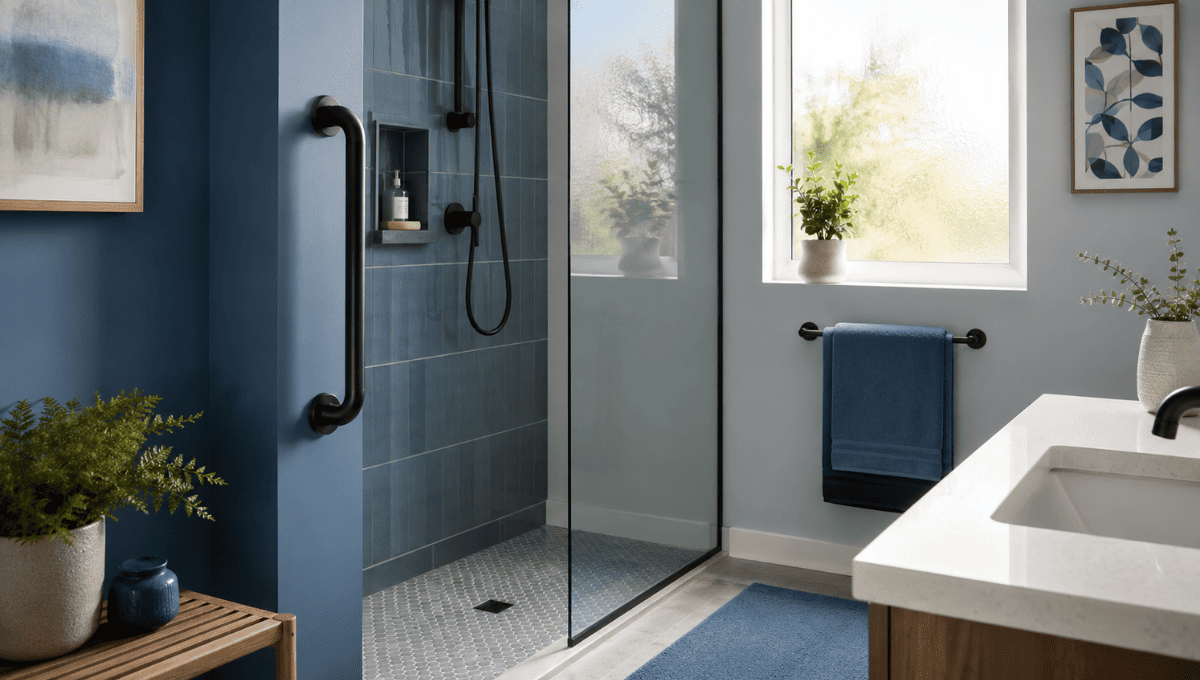
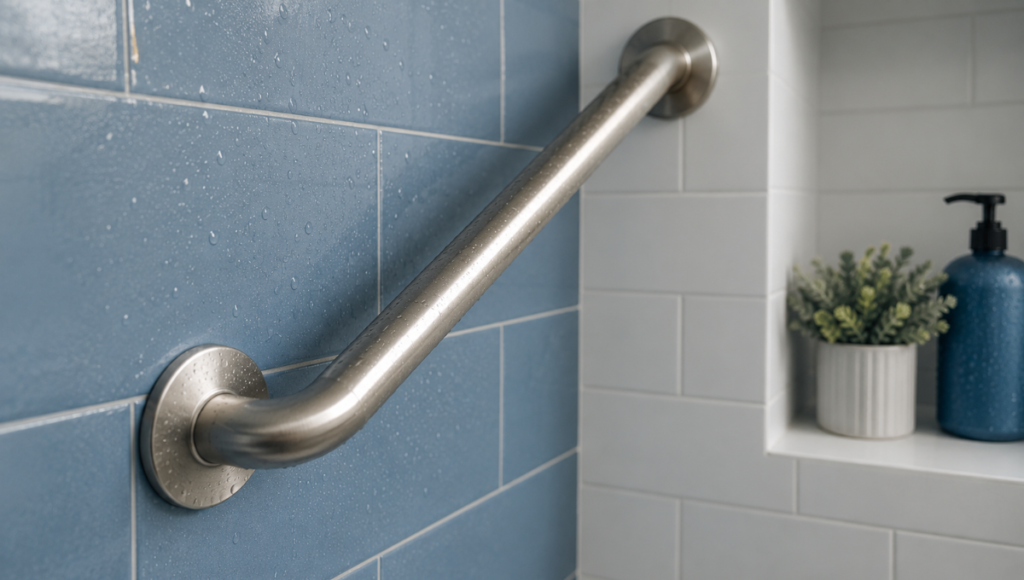
Grab bars are the upgrade people put off longest, usually because they associate them with hospitals rather than homes. Modern versions come in brushed nickel, matte black, and other finishes that look intentional rather than clinical; many blend in as a design feature.
The placement matters more than the bar itself:
- Inside the shower or tub, at a diagonal angle near shoulder height, positioned where your hand naturally reaches when standing or stepping over the tub wall
- Beside the toilet, mounted vertically or at an angle so you can push up from a seated position rather than pulling sideways
- Just outside the shower entrance, for the moment of transition between wet and dry flooring, which is often the highest-risk second of the entire routine
One important detail: grab bars must be anchored into wall studs or with proper wall anchors rated for body weight, a bar mounted only into drywall can pull free under real pressure. If you’re not confident installing it yourself, this is one job worth paying a handyman an hour’s labor for.
Is a Walk-In Shower Worth the Investment?
bathroom safety upgrades. If you’re planning a larger renovation anyway, converting a step-over tub to a curbless or low-threshold walk-in shower removes one of the biggest fall triggers in the room: the act of lifting a leg over a tub wall on a wet, slippery surface.
That said, this is the one upgrade on this list that isn’t “simple” in terms of cost or timeline, it’s a real remodel. If a full shower conversion isn’t in the budget right now, a shower seat or fold-down bench, paired with a handheld showerhead, accomplishes much of the same goal for a fraction of the price. Sitting to wash removes the balance demand of standing on a wet, sudsy surface altogether.
Do Raised Toilet Seats Really Help Prevent Falls?
Standard toilet heights were designed decades ago, before ergonomics for aging bodies were part of the conversation. A raised toilet seat, or a comfort-height toilet, reduces how far you have to lower and raise your body weight, which matters most for anyone with knee or hip stiffness.
Combined with a grab bar beside it, this is one of the highest-impact, lowest-cost changes in the whole bathroom. Raised seats with built-in armrests typically run $30–$60 and require no tools beyond a screwdriver.
Read also – you might like
Home Office Ergonomics for Adults Over 50
How to Create a Relaxing Reading Corner
Why Lighting Matters More Than People Think
bathroom safety upgrades. Poor lighting is an underrated fall risk. A dim bathroom, especially at night, forces your eyes to work harder to judge distances, wet spots, and step edges, exactly the kind of misjudgment that leads to a stumble.
A few fixes that make an outsized difference:
- Add a motion-activated night light near the toilet and shower entrance so you’re never navigating in the dark
- Replace dim or yellowed bulbs with brighter, daylight-toned LEDs
- If the mirror lighting causes glare or shadows on the floor near the sink, reposition or add a second fixture
What About Smart or Tech-Based Upgrades?
For anyone wanting an extra layer of reassurance, a few newer options are worth knowing about:
- Water-resistant medical alert pendants that can be worn in the shower, in case of a fall when no one else is home
- Smart water sensors that detect flooding, which double as an early warning if water is pooling somewhere it shouldn’t
- Voice-activated smart speakers placed in the bathroom, so help can be called hands-free in an emergency
None of these replace the physical upgrades above; they’re a safety net underneath them, not a substitute.
A Simple Weekend Plan
If the list above feels like a lot at once, here’s a realistic order of operations:
- This weekend: non-slip mats inside and outside the tub, plus a night light
- Next paycheck: grab bar near the toilet and one in the shower
- Within the month: raised toilet seat and a shower seat
- When budget allows: broader lighting upgrade or walk-in shower conversion
Bathroom safety isn’t about turning your home into a clinical space. It’s about removing the two or three specific hazards that cause the majority of falls, so the room that starts and ends every day stays exactly what it should be, safe, familiar, and yours.
This article is for general informational purposes and isn’t a substitute for advice from a physician, occupational therapist, or contractor familiar with your specific home and needs.

Lauren is the founder of PainFreeAfter50.com and a dedicated researcher in joint health and healthy aging. After developing chronic joint pain in her early 50s, she spent years reviewing clinical studies and testing natural approaches to find real solutions. Today she shares honest, evidence-based guidance to help adults over 50 manage pain, improve mobility, and reclaim their quality of life.