If you’ve noticed your fingers feel stiffer in the morning, or opening a jar has become a two-handed struggle, you’re not imagining it. Why your hands hurt more after 50 is one of the most common questions we hear from readers, and there’s a good reason for it.
Decades of use, natural cartilage wear, and hormonal shifts all converge on the small joints of your hands right around this stage of life. The good news: hand pain after 50 is common, but it’s rarely something you simply have to accept.
In this article, we’ll walk through what’s actually happening inside your joints, what the research says, and practical steps that can bring real relief.
Why Your Hands Hurt More After 50: What Science Says About Hand Pain After 50
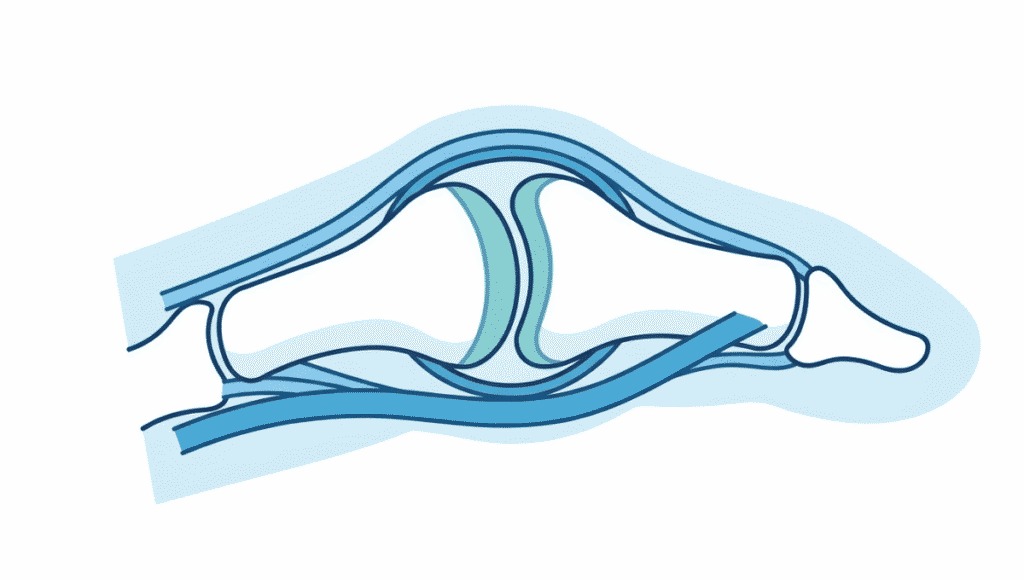
Hand pain in midlife and beyond is most often linked to osteoarthritis, the “wear and tear” type of arthritis that affects cartilage, the cushioning tissue between bones.
According to the Mayo Clinic, osteoarthritis commonly develops in the joints of the fingers, thumbs, hips, and knees as cartilage gradually breaks down over time. This is different from rheumatoid arthritis, an autoimmune condition, though both can cause similar symptoms in the hands.
Research published through the National Institutes of Health (NIH) has also pointed to hormonal changes, particularly the drop in estrogen during and after menopause, as a factor that may accelerate joint changes in women’s hands.
This helps explain why so many women report a noticeable uptick in hand stiffness in their 50s specifically, rather than a slow, steady decline that started decades earlier.
Harvard Health has noted that repetitive use over a lifetime, combined with the natural thinning of cartilage, means the small, hard-working joints in our hands often show signs of aging before larger joints do. Genetics play a role too; if a parent had “arthritic hands,” you may be more prone to it as well.
What This Actually Feels Like: Common Patterns We Hear About
Based on common experiences among adults over 50, hand pain rarely shows up as one single symptom. Many of our readers report a cluster of changes that build gradually:
- Morning stiffness that eases after 15–30 minutes of movement
- A dull ache at the base of the thumb, especially with pinching or gripping motions
- Small, bony bumps forming at the middle or end finger joints (often painless once fully formed, but tender while developing)
- Reduced grip strength, making it harder to open jars, twist keys, or carry grocery bags
- Occasional swelling or warmth in one or two knuckles after a busy day
One pattern worth noting: pain that is symmetrical (affecting both hands similarly) and involves stiffness lasting longer than an hour in the morning can sometimes point toward rheumatoid arthritis rather than osteoarthritis.
This distinction matters because the two conditions are managed differently, which is why a proper diagnosis from a doctor is so important rather than guessing based on symptoms alone.

Practical Ways to Ease Hand Pain and Protect Your Joints
You don’t need to overhaul your life to feel better. Small, consistent habits tend to make the biggest difference over time.
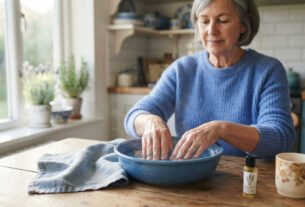
Warm up your hands each morning. Running warm water over your hands or using a paraffin wax dip for a few minutes can loosen stiff joints before you start your day.
Try gentle hand exercises. Slow fist-to-fan stretches, thumb touches to each fingertip, and light rubber ball squeezes help maintain range of motion without straining the joints.
Adapt your tools, not your tasks. Jar openers, larger-grip pens, and kitchen tools with cushioned handles reduce strain on small joints while letting you keep doing the things you enjoy.
Balance activity with rest. Overusing a sore joint can worsen inflammation, but complete inactivity leads to stiffness. Aim for short breaks during repetitive tasks like typing, knitting, or gardening.
Support joints with temperature therapy. A warm compress can ease stiffness, while a cold pack is often more effective for active swelling or a joint that feels hot to the touch.
Mind your grip during daily tasks. Using your palm or forearm to carry heavy bags, instead of gripping with your fingers, takes pressure off vulnerable joints.
What Experts Recommend for Long-Term Hand Health
Clinical guidance consistently points to a combination approach rather than a single fix. The Arthritis Foundation and Mayo Clinic both recommend starting with conservative, non-drug strategies: activity modification, splinting for the thumb joint when needed, and physical or occupational therapy to build hand strength safely.
For pain flare-ups, over-the-counter topical treatments (like menthol or capsaicin creams) or oral anti-inflammatory medications may be recommended for short-term use, though these should be discussed with a doctor first, especially if you take other medications.
JAMA-published research has also supported the role of low-impact strengthening exercises in reducing pain and improving function in hands affected by osteoarthritis.
If symptoms are persistent, worsening, or involve significant swelling, warmth, or joint deformity, experts recommend seeing a doctor or a rheumatologist.
Early evaluation matters because some forms of arthritis respond much better to treatment when addressed early, and a doctor can rule out other causes like nerve compression (carpal tunnel syndrome) or tendon issues, which can feel similar but need different care.
Read also – you might like: Carpal Tunnel Syndrome vs. Arthritis: How to Tell the Difference
The Bottom Line
Why your hands hurt more after 50 usually comes down to a mix of natural cartilage wear, hormonal shifts, and decades of everyday use finally catching up with these small, hard-working joints. The encouraging part is that most hand discomfort responds well to simple daily habits:
gentle movement, smart tool choices, and paying attention to warning signs that call for a doctor’s input. If your hands have been bothering you, consider this a nudge to start with one small change today, whether that’s a morning stretch routine or finally trying that ergonomic jar opener, and talk to your healthcare provider if the pain persists or worsens.
Medical Disclaimer: This article is for informational purposes only and is not a substitute for professional medical advice, diagnosis, or treatment. Always consult your physician or a qualified healthcare provider with any questions regarding a medical condition. This post may contain affiliate links, meaning we may earn a small commission at no extra cost to you if you purchase through them.

Lauren is the founder of PainFreeAfter50.com and a dedicated researcher in joint health and healthy aging. After developing chronic joint pain in her early 50s, she spent years reviewing clinical studies and testing natural approaches to find real solutions. Today she shares honest, evidence-based guidance to help adults over 50 manage pain, improve mobility, and reclaim their quality of life.