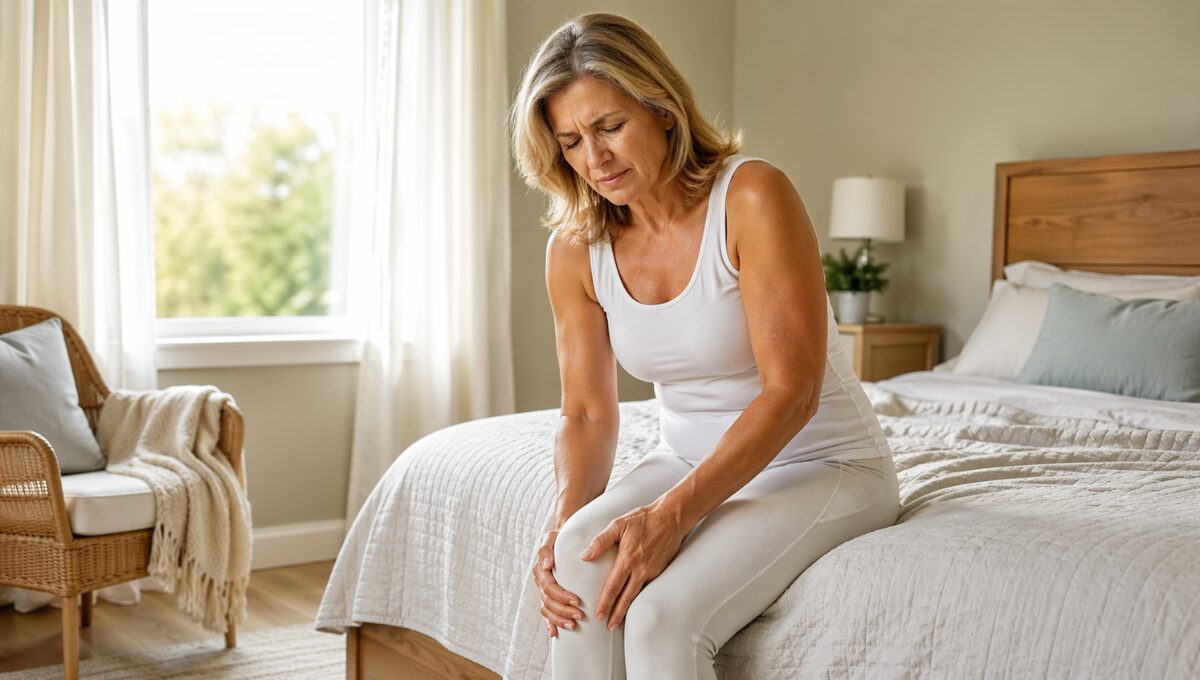
(And What You Can Actually Do About It)
Why Do Joints Hurt More After 50? You wake up one morning and swing your legs off the bed, and your knees remind you that you are not 30 anymore. Sound familiar?
If you are over 50 and your joints have started aching, stiffening up, or just feeling… off, you are not imagining it. Joint pain is one of the most common complaints among adults in this age group, affecting millions of Americans every single year. But what actually causes it, and more importantly, what can you do about it?
This article breaks down the real reasons joints hurt more after 50, in plain language, without the medical jargon.
What Happens to Your Joints as You Age?
Your joints are not just bones rubbing together. They are complex structures that include cartilage, synovial fluid, ligaments, tendons, and muscles, and all of them change as you get older.
Here is what happens inside your joints after 50:

1. Cartilage Breaks Down
Cartilage is the smooth, rubbery tissue that cushions the ends of your bones. Over decades of use, it wears down and becomes thinner. When cartilage is gone, bones begin to rub against each other, causing pain, swelling, and stiffness. This process is called osteoarthritis, and it is the number one cause of joint pain in people over 50.
2. Synovial Fluid Decreases
Your joints are lubricated by a thick liquid called synovial fluid. Think of it like oil in an engine. After 50, your body produces less of it, and what remains becomes thinner. Less lubrication means more friction, which means more aching and grinding when you move.
3. Muscles Get Weaker
Strong muscles take pressure off your joints. But after 50, muscle mass naturally declines, a process called sarcopenia. Weaker muscles mean your joints have to absorb more of the load with every step, every squat, every time you stand up from a chair.
Read also: How to Relieve Knee Pain at Home for Seniors
4. Ligaments and Tendons Become Stiffer
The connective tissues that hold your joints together lose flexibility with age. This is why many people over 50 feel stiff first thing in the morning or after sitting for a while. The good news: gentle movement usually helps loosen things up within minutes.
5. Inflammation Increases
As we age, our bodies tend to stay in a low-grade state of inflammation, sometimes called “inflammaging.” This background inflammation makes joints more sensitive and slower to recover from even minor activity.
Which Joints Are Most Affected?
Joint pain after 50 tends to show up in the same places for most people:
- Knees, the most commonly affected joint, especially when climbing stairs or getting up from a chair
- Hips, deep aching that can radiate to the groin or thigh
- Hands and fingers, stiffness, swelling, or difficulty gripping
- Shoulders, reduced range of motion and pain when reaching overhead
- Lower back, often linked to spinal joints and disc changes
If you have noticed pain in more than one of these areas, you are not alone, and it is not just bad luck. It is biology.
Is It Arthritis, or Something Else?
Not all joint pain is arthritis. Here are the most common causes in people over 50:
Osteoarthritis (OA): Wear-and-tear damage to cartilage. The most common form, affecting over 32 million Americans.
Rheumatoid Arthritis (RA): An autoimmune condition where the immune system attacks the joints. Causes swelling, warmth, and symmetrical pain on both sides of the body.
Gout: Caused by uric acid crystals building up in joints. Usually strikes the big toe but can affect knees and ankles.
Bursitis: Inflammation of the small fluid-filled sacs that cushion joints. Common in hips and shoulders.
Tendinitis: Inflammation of tendons from overuse or repetitive movement.
A doctor can help you identify which one you are dealing with, and that matters, because treatments vary.
Lifestyle Factors That Make Joint Pain Worse
Aging is not the only factor. Several habits can speed up joint breakdown or make existing pain worse:
- Excess weight: every extra pound adds roughly 4 pounds of pressure to your knees
- Sitting too much, inactivity stiffens joints and weakens the muscles that support them
- Poor diet, processed foods and sugar fuel inflammation
- Dehydration: cartilage is largely made of water and needs hydration to stay healthy
- Old injuries, previous knee, shoulder, or ankle injuries, increase the risk of osteoarthritis later in life
What Actually Helps Joint Pain After 50?
The good news is that there is a lot you can do to reduce joint pain and protect your joints going forward. Here is what the evidence supports:
Move More, Not Less
It feels counterintuitive, but rest makes joint pain worse over time. Low-impact movement, walking, swimming, cycling, and gentle yoga keep synovial fluid circulating and muscles strong. Aim for at least 30 minutes of movement most days.
Strength Training
Building muscle around your joints takes pressure off the cartilage. Even two sessions a week of light resistance training can make a noticeable difference in knee and hip pain.
Anti-Inflammatory Diet
inflammation.Foods rich in omega-3 fatty acids (salmon, walnuts, and flaxseed), antioxidants (berries, leafy greens), and turmeric can help reduce in(berries andn. Limiting sugar, refined carbs, and processed foods also helps significantly.
Supplements
Glucosamine and chondroitin are the most studied supplements for joint health. Collagen peptides and omega-3 fish oil also show promise. Give any supplement at least 8 to 12 weeks before deciding if it works for you.
Heat and Cold Therapy
Heat helps loosen stiff joints before activity. Cold reduces swelling and numbs pain after activity. Alternating both can be very effective for day-to-day management.
Maintain a Healthy Weight
Even losing 10 pounds can significantly reduce knee pain. Weight loss combined with exercise is one of the most effective non-drug treatments for osteoarthritis.
When Should You See a Doctor?
Most joint aches after 50 are manageable at home. But see a doctor if you experience:
- Pain that is severe or getting progressively worse
- Significant swelling, redness, or warmth around a joint
- Fever alongside joint pain (this can signal infection)
- Joint pain that limits your daily activities
- Pain that wakes you up regularly at night
Early treatment can prevent further joint damage and keep you moving longer.
Key Takeaways
- Joints hurt more after 50 because of cartilage breakdown, reduced synovial fluid, muscle loss, and increased inflammation
- The most common cause is osteoarthritis, but gout, bursitis, and rheumatoid arthritis are also possible
- Lifestyle factors like excess weight, inactivity, and poor diet make joint pain worse
- Low-impact exercise, strength training, and an anti-inflammatory diet are the most effective long-term solutions
- See a doctor if pain is severe, the joint is swollen, or it is interfering with your daily life
Frequently Asked Questions
Is joint pain after 50 normal?
Yes, some degree of joint aching and stiffness is very common after 50. However, “common” does not mean you have to live with it. Most joint pain at this age is manageable with lifestyle changes, exercise, and in some cases, medication or supplements.
What is the difference between joint pain and arthritis?
Joint pain is a symptom. Arthritis is a condition that causes joint pain. There are over 100 types of arthritis, but the most common in people over 50 is osteoarthritis, the wear-and-tear type that develops gradually over time.
Why are my joints stiff in the morning?
Morning stiffness happens because synovial fluid settles overnight and joints lose some of their lubrication during sleep. Gentle movement, a short walk or light stretching, usually helps within 15 to 30 minutes. If stiffness lasts longer than an hour, it may signal rheumatoid arthritis, and you should consult a doctor.
Can joint pain be reversed after 50?
Cartilage damage cannot be fully reversed, but you can slow its progression and significantly reduce pain. Many people over 50 see major improvements through regular exercise, weight management, and dietary changes. The key is consistency.
What foods make joint pain worse?
Foods that promote inflammation tend to worsen joint pain, processed foods, sugary drinks, refined carbohydrates, fried foods, and excess alcohol. Red meat in large quantities can also trigger inflammation in some people.
Should I rest or exercise if my joints hurt?
In most cases, gentle exercise is better than rest. Prolonged rest weakens the muscles that support your joints and can increase pain over time. Opt for low-impact activities like walking, swimming, or cycling. If a joint is acutely swollen or inflamed, rest it for 24 to 48 hours before returning to movement.
What vitamins are good for joint pain after 50?
Vitamin D and calcium are essential for bone health. Vitamin C supports collagen production. Omega-3 fatty acids (fish oil) help reduce joint inflammation. Glucosamine and chondroitin are widely used for osteoarthritis, with generally positive results.
When should I see a doctor for joint pain?
See a doctor if your joint pain is severe, getting worse over time, accompanied by significant swelling or redness, or limiting your daily activities. Also seek medical attention if joint pain comes with a fever, as this can indicate infection.
Disclaimer: This article is for informational purposes only and does not constitute medical advice. Always consult a qualified healthcare professional before starting any new treatment or supplement.

Lauren is the founder of PainFreeAfter50.com and a dedicated researcher in joint health and healthy aging. After developing chronic joint pain in her early 50s, she spent years reviewing clinical studies and testing natural approaches to find real solutions. Today she shares honest, evidence-based guidance to help adults over 50 manage pain, improve mobility, and reclaim their quality of life.