
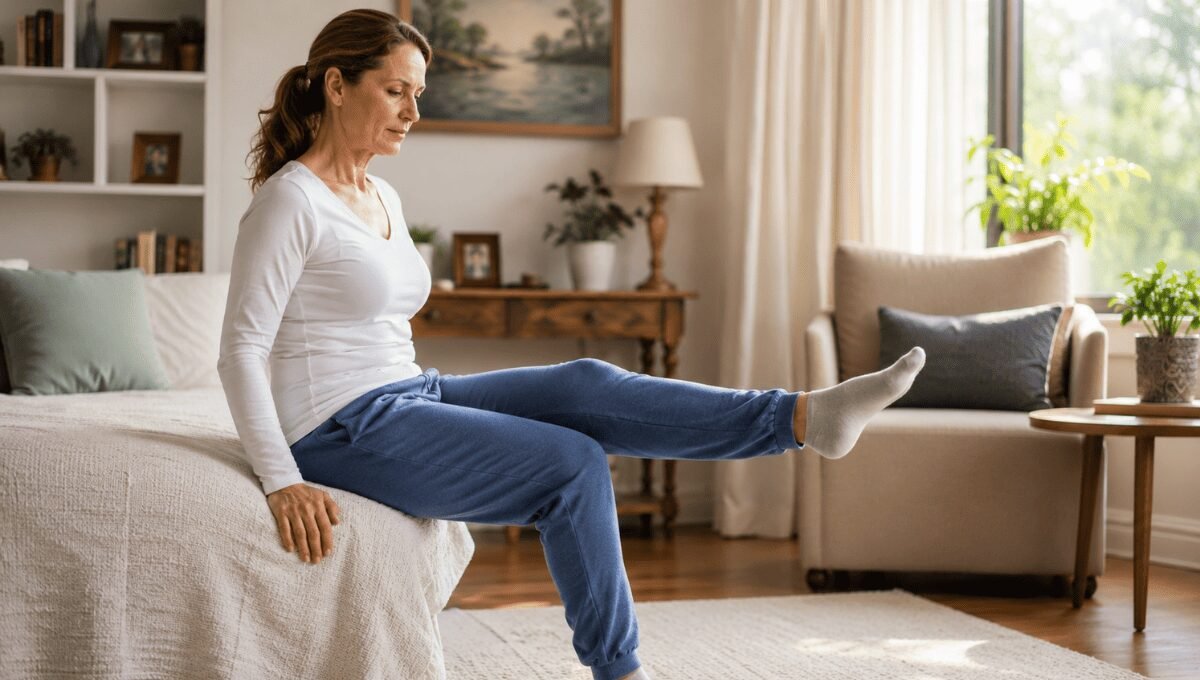
knee pain without injury after 50? Have you ever woken up with sore, stiff knees and wondered, “What did I do to hurt myself?” If you’re over 50, the honest answer might be nothing at all. Knee pain without injury is one of the most common complaints we hear from readers in this stage of life, and it can feel confusing when there’s no fall, twist, or accident to blame.
The truth is, your knees can hurt simply from years of use, changes in cartilage, or shifts in how your body moves. Many of our readers report this exact experience of pain that seems to appear out of nowhere, often worse in the morning or after sitting for long periods. You’re not imagining it, and you’re not alone.
In this article, we’ll walk through what’s really going on, what science says about it, and what you can do starting today to feel more comfortable in your own knees.
What Science Says About Knee Pain Without Injury
According to the Mayo Clinic, one of the leading causes of knee pain in older adults is osteoarthritis, a condition where the protective cartilage that cushions the ends of your bones gradually wears down over time. This process doesn’t require a specific injury; it can develop simply from decades of normal wear and tear.
The National Institute on Aging (NIH) notes that osteoarthritis is the most common form of arthritis and becomes significantly more likely as people move through their 50s, 60s, and beyond. It often affects weight-bearing joints like the knees first, since they absorb so much impact throughout a lifetime of walking, standing, and climbing stairs.
Harvard Health Publishing has also pointed out that muscle weakness, particularly in the quadriceps (the muscles at the front of your thigh), can place extra strain on the knee joint. When these supporting muscles lose strength, the knee has to work harder to stabilize itself, which can lead to pain even without any direct trauma.
Research published through the Arthritis Foundation adds that excess body weight increases pressure on the knees substantially. In fact, losing even a modest amount of weight can meaningfully reduce the load placed on these joints with every step.
Put simply: knee pain without injury after 50 is rarely random. It’s usually the result of gradual changes happening beneath the surface.
Formulated by award-winning Dr. Mikel Daniels with 26 years of clinical experience. 5 clinically backed, all-natural ingredients. One easy daily capsule.
What This Actually Feels Like: Common Experiences After 50
Based on common experiences among adults over 50, knee pain without a clear injury tends to show up in recognizable patterns. Understanding these patterns can help you feel less alarmed and more informed.
Morning stiffness that eases with movement. Many readers describe waking up with knees that feel tight or “creaky,” only to loosen up after 10 or 15 minutes of gentle movement. This is a hallmark sign of early osteoarthritis.
Pain after prolonged sitting. Long car rides, movie nights, or hours at a desk can leave knees feeling stiff when you finally stand. This happens because joint fluid, which lubricates the knee, doesn’t circulate as well when you’re still.
A dull ache rather than sharp pain. Unlike an injury, which often causes sudden, sharp discomfort, age-related knee pain tends to be a low-grade, nagging ache that builds gradually over the day.
Occasional swelling or a feeling of tightness. Mild inflammation can cause the knee to feel puffy or “full,” even without any visible bruising.
If any of this sounds familiar, please know this is an incredibly common part of the aging process, and there is a lot you can do to manage it.
Read also – you might like
Best Creams for Arthritis Pain Relief: What Actually Works After 50
Foot and Ankle Pain After 50: What Is Normal and What’s Not
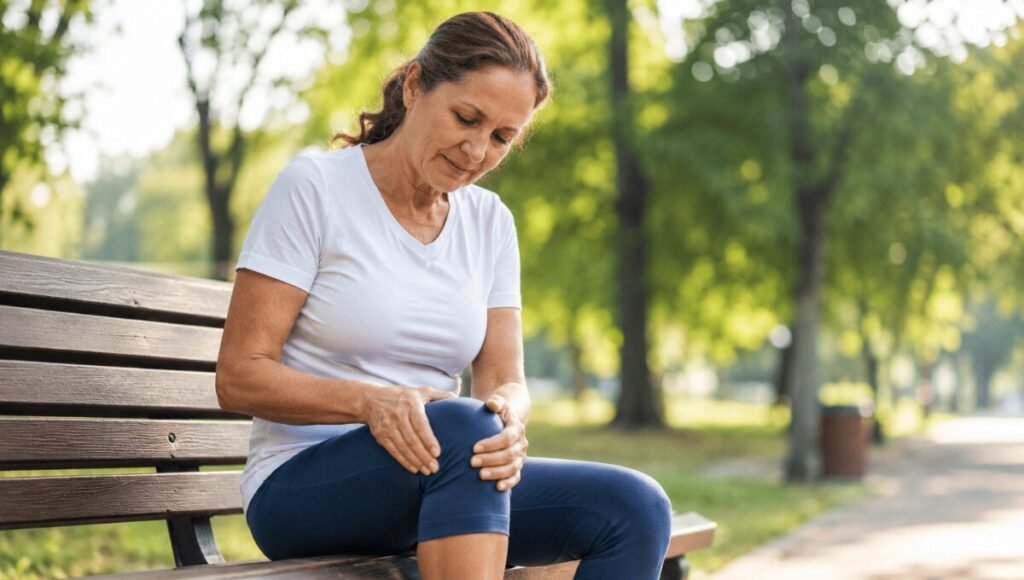
Practical Steps to Ease Knee Pain Without Injury
The good news is that knee pain without injury often responds well to simple, consistent changes. Here are approaches many of our readers have found helpful.
1. Strengthen the muscles around the knee. Gentle exercises like seated leg lifts, wall sits, or using a stationary bike can build quadriceps and hamstring strength without putting stress on the joint itself.
2. Try low-impact movement daily. Walking, swimming, and water aerobics keep joints lubricated and muscles engaged. The Arthritis Foundation specifically recommends water-based exercise for reducing joint strain while still building strength.
3. Apply heat in the morning and ice after activity. Heat can help loosen stiff joints before movement, while ice after activity may calm inflammation. This combination is a favorite among readers managing daily discomfort.
4. Maintain a healthy weight. Even a 10-pound reduction in body weight can remove roughly 40 pounds of pressure from the knees with each step, according to research cited by the Arthritis Foundation.
5. Consider supportive footwear. Shoes with proper cushioning and arch support can reduce the shock that travels up through your legs to your knees.
6. Stretch regularly. Gentle stretching of the hamstrings, calves, and hip flexors can improve overall knee alignment and reduce strain.
None of these changes need to happen overnight. Small, consistent steps tend to make the biggest difference over time.
What Experts Recommend for Long-Term Knee Health
Medical professionals generally agree that a combination of movement, strength, and weight management offers the best long-term outlook for knee health after 50.
The Mayo Clinic recommends low-impact exercise as a first-line approach, noting that staying active actually helps protect joints rather than wearing them down further, contrary to what many people assume.
Harvard Health Publishing advises that physical therapy can be particularly useful for identifying muscle imbalances that may be contributing to knee strain, even when no injury has occurred.
For persistent or worsening pain, the NIH suggests speaking with a healthcare provider about additional options, which may include:
- Over-the-counter anti-inflammatory medications
- Prescription treatments for more significant discomfort
- Physical therapy programs tailored to your specific needs
- In some cases, imaging tests to better understand what’s happening inside the joint
The key message from experts across the board is this: knee pain without injury is common, but it’s also manageable. Early attention and consistent care tend to produce the best results.
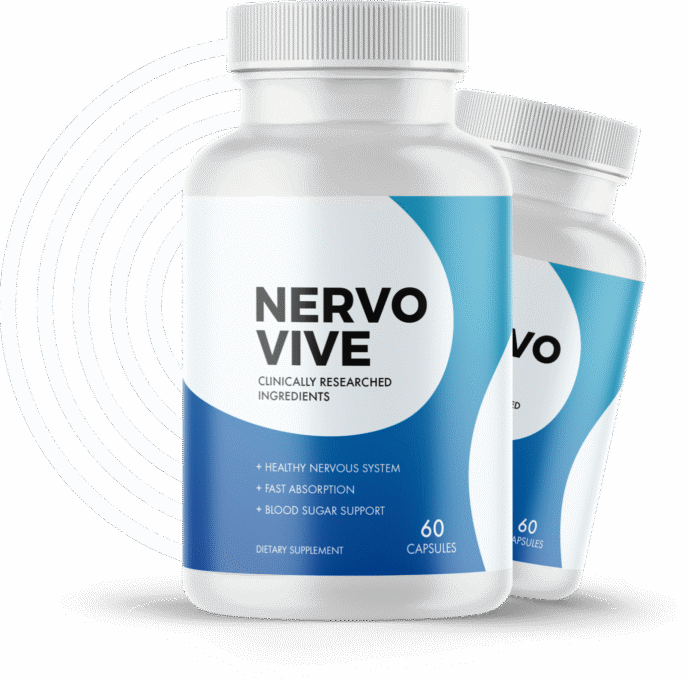
Inside each “Nervovive” capsule, you will find:
An exclusive combination of ingredients, optimally dosed and blended to complement each other in a powerful solution.
Conclusion
Knee pain without injury after 50 can feel unsettling, especially when there’s no clear explanation. But as research from the Mayo Clinic, NIH, and Harvard Health shows, this experience is usually tied to natural changes in cartilage, muscle strength, and joint use over time, not something you did wrong.
By focusing on gentle strengthening, low-impact movement, and supportive daily habits, many people find real relief. If your knee pain persists or worsens, don’t hesitate to reach out to a healthcare provider who can help build a plan suited to your specific needs.
Your knees have carried you this far. With a little extra care, they can keep doing so for years to come.
Frequently Asked Questions
Why do my knees hurt when I wake up but not during injury?
This is typically due to reduced joint fluid circulation overnight combined with age-related cartilage changes. Once you begin moving, fluid redistributes and stiffness often eases.
Can knee pain without injury be a sign of arthritis?
Yes. Osteoarthritis is one of the most common causes of unexplained knee pain in adults over 50, according to the Mayo Clinic and NIH.
Is it normal to have knee pain after 50 with no clear cause?
It’s very common. Gradual cartilage wear, muscle weakness, and joint changes can all cause discomfort without any specific injury triggering it.
What exercises help knee pain without making it worse?
Low-impact options like swimming, walking, and stationary cycling are generally well-tolerated and are frequently recommended by physical therapists and the Arthritis Foundation.
Medical Disclaimer: This article is for informational purposes only and is not a substitute for professional medical advice, diagnosis, or treatment. Always consult a qualified healthcare provider regarding any medical condition. This post may contain affiliate links, and we may earn a small commission at no additional cost to you.

Lauren is the founder of PainFreeAfter50.com and a dedicated researcher in joint health and healthy aging. After developing chronic joint pain in her early 50s, she spent years reviewing clinical studies and testing natural approaches to find real solutions. Today she shares honest, evidence-based guidance to help adults over 50 manage pain, improve mobility, and reclaim their quality of life.



1 thought on “Knee Pain Without Injury: What It Means After 50”