

Frozen Shoulder After 50. Waking up unable to lift an arm to brush your hair or reach for a coffee cup is more common after 50 than most people realize. This condition, known as frozen shoulder, affects millions of adults in midlife, and it tends to hit women between 50 and 60 the hardest. Understanding what’s happening in the joint and how long it typically takes to heal can make the experience feel far less alarming.
What Is Frozen Shoulder?
Frozen Shoulder After 50. Frozen shoulder, also called adhesive capsulitis, happens when the tissue surrounding the shoulder joint thickens and tightens. That tissue, known as the joint capsule, normally allows the arm to move freely in almost every direction. When it becomes inflamed and stiff, movement becomes painful and, over time, severely limited.
The exact cause often isn’t clear. However, certain factors raise the risk significantly, including diabetes, thyroid disorders, and any period of keeping the shoulder still for an extended time, such as after surgery or an injury.
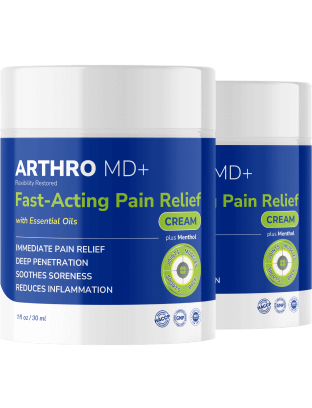
ArthroMD+ is a topical cream with arnica, menthol, and hyaluronic acid, designed to ease everyday joint discomfort and support mobility.
Why It Shows Up More After 50
Frozen Shoulder After 50. Frozen shoulder is most common in adults between 40 and 60 years old, and women are affected more often than men. Hormonal shifts around menopause, combined with a natural rise in inflammation and connective tissue changes with age, may all play a role. It rarely affects the same shoulder twice, though it can eventually develop in the opposite one.
The Three Stages of Frozen Shoulder
Frozen shoulder typically moves through three distinct phases, and the entire process can take anywhere from one to three years from start to finish.
Freezing stage. Pain develops gradually and tends to worsen at night. As discomfort increases, the shoulder starts losing range of motion. This stage generally lasts between two and nine months.
Frozen stage. Pain may actually ease somewhat during this phase, but stiffness remains severe. Everyday tasks like reaching overhead, fastening a bra, or driving can become very difficult. This stage typically lasts four to six months.
Thawing stage. Movement slowly starts to return. This recovery phase can take anywhere from six months to two years, and for some people, longer.
Common Symptoms
- A dull, aching pain in the outer shoulder, sometimes spreading to the upper arm
- Stiffness that makes it hard to raise the arm overhead or reach behind the back
- Pain that worsens at night and disrupts sleep
- Difficulty with simple movements, like reaching into a car’s back seat or zipping up a dress

What Helps: Treatment Options
Frozen Shoulder After 50. Most cases of frozen shoulder improve with time and conservative treatment. Physical therapy is usually the first recommendation, focused on gentle stretching to preserve as much motion as possible. It can take six months to a year, even with treatment, before full function returns.
Other approaches a doctor may suggest include:
- Anti-inflammatory medication to manage pain
- Corticosteroid injections directly into the joint, which can offer meaningful relief for some patients
- Heat or ice applied at home to ease discomfort
- In more stubborn cases, a procedure to gently stretch the capsule, or occasionally surgery
When to See a Doctor
Persistent shoulder pain that doesn’t improve with rest, or stiffness that limits daily activities, is worth bringing to a doctor. Frozen shoulder is sometimes mistaken for a rotator cuff tear, so a proper evaluation, sometimes including imaging, helps rule out other causes and confirms the right treatment path.
Read also—you might like
Best Menopause Supplement for Women Over 50
Top Glucosamine Supplements for Seniors
Frequently Asked Questions
Does frozen shoulder go away on its own?
Many cases do improve without treatment, though it can take a year or more. Physical therapy and other treatments can help speed up recovery and reduce pain along the way.
Can frozen shoulder come back?
It’s uncommon for frozen shoulder to return in the same shoulder, but it can sometimes develop in the other one later on.
Is frozen shoulder linked to menopause?
There’s no confirmed direct cause, but the condition is notably more common in women during the midlife years, and hormonal changes are considered a possible contributing factor.
What’s the difference between frozen shoulder and a rotator cuff injury?
Frozen shoulder limits movement in every direction, even when someone else tries to move the arm for you. A rotator cuff injury usually still allows passive movement, even if active movement is painful. A doctor can tell the difference through examination.
This article is for informational purposes only and is not a substitute for professional medical advice. Anyone experiencing shoulder pain or stiffness should consult a licensed healthcare provider for diagnosis and treatment.

Lauren is the founder of PainFreeAfter50.com and a dedicated researcher in joint health and healthy aging. After developing chronic joint pain in her early 50s, she spent years reviewing clinical studies and testing natural approaches to find real solutions. Today she shares honest, evidence-based guidance to help adults over 50 manage pain, improve mobility, and reclaim their quality of life.



4 thoughts on “Frozen Shoulder After 50: What It Is and How Long It Lasts”